Seawall Vs Bulkhead: Which One Protects Your Shoreline Better
When your waterfront property starts showing signs of erosion or soil loss, the conversation quickly turns to protection. Two structures come up almost every time: seawalls and bulkheads. People often use these terms interchangeably, but they are not the same thing, and choosing the wrong one could cost you more in the long run.
Here is what you need to know before your shoreline makes the decision for you.
What Is a Seawall, Exactly?
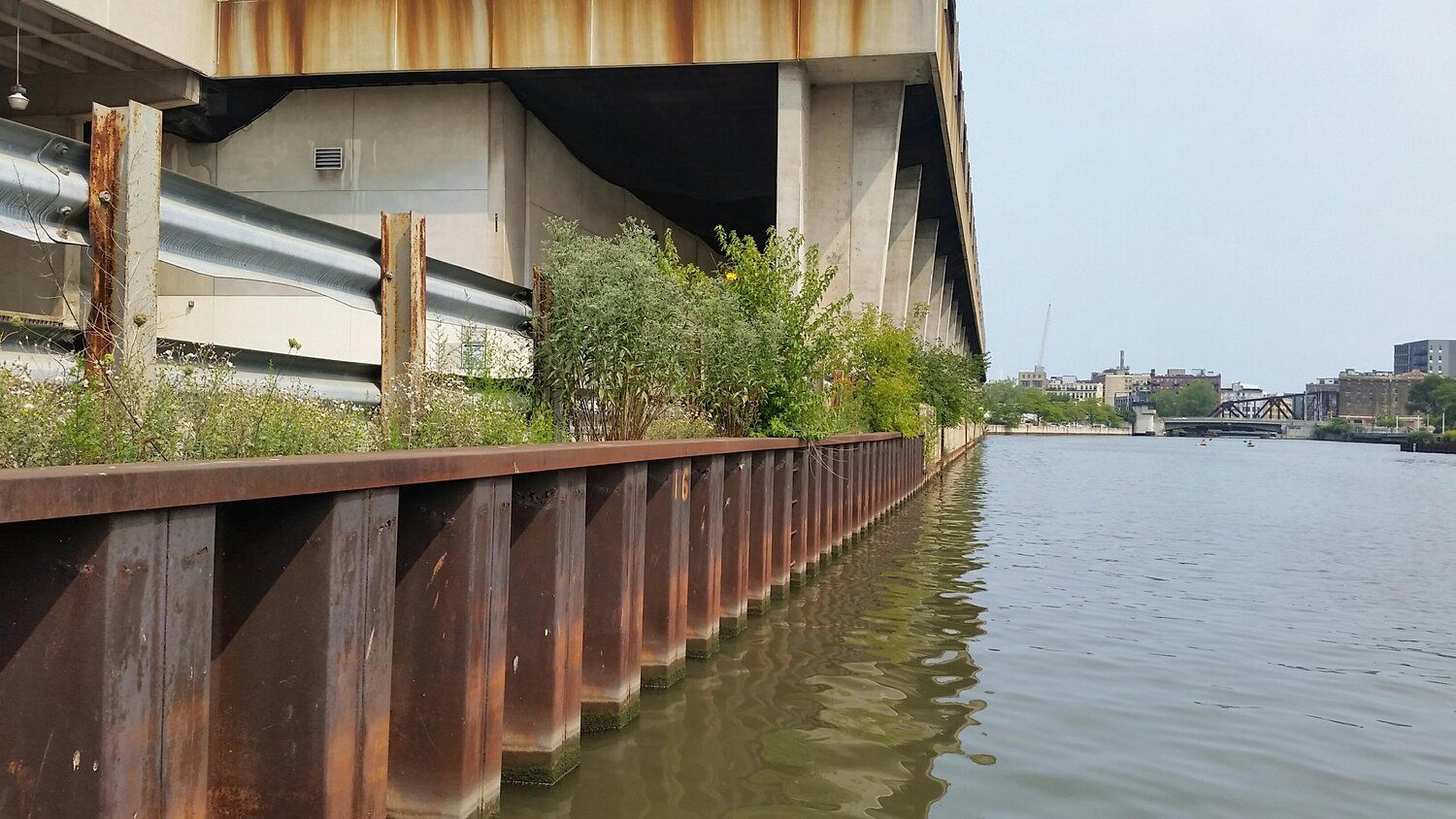
A seawall is a coastal management structure built to absorb and deflect the energy of waves, storm surge, and wind-driven water. It stands perpendicular to the force of the ocean or bay, acting as a hard barrier between open water and the land behind it.
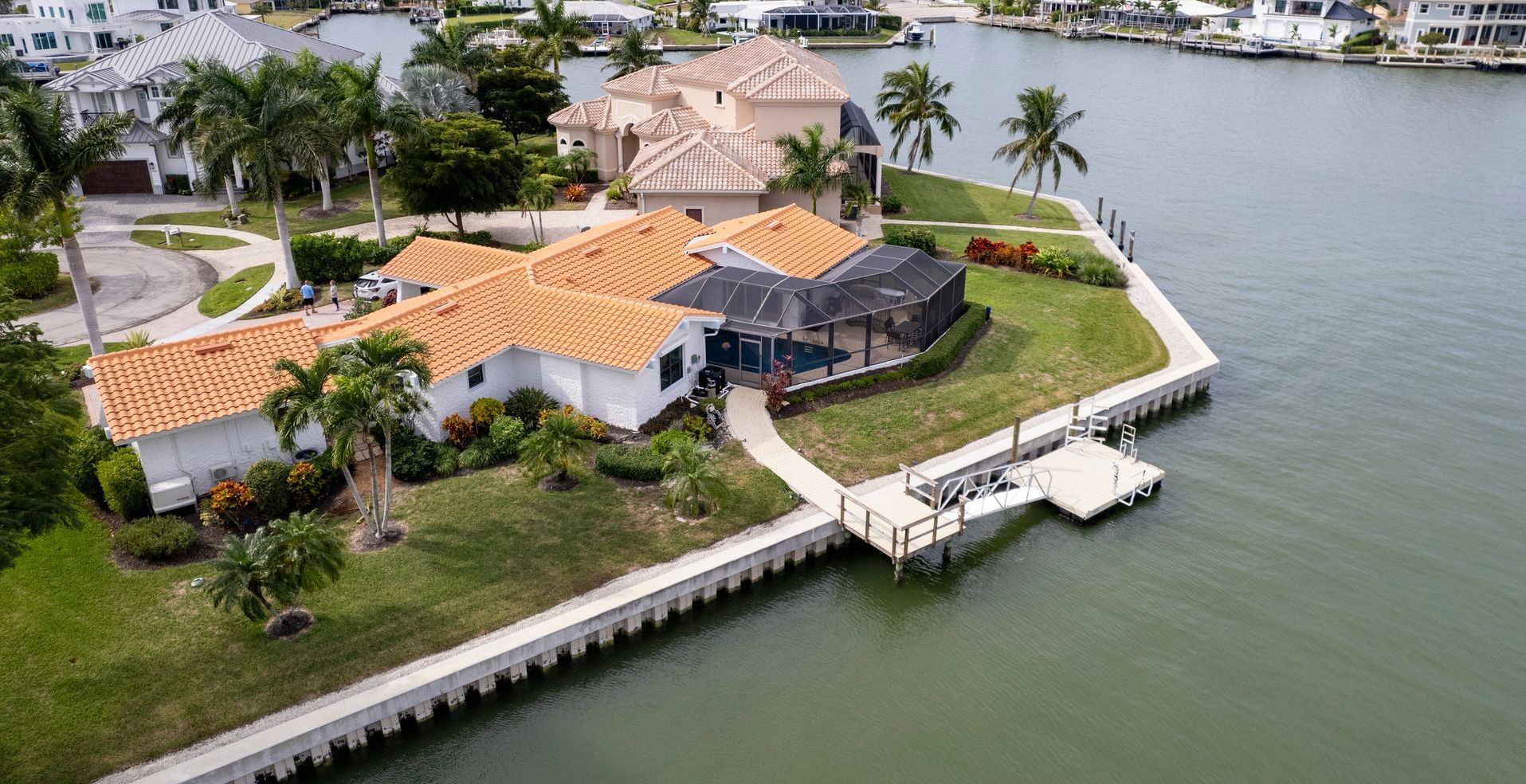
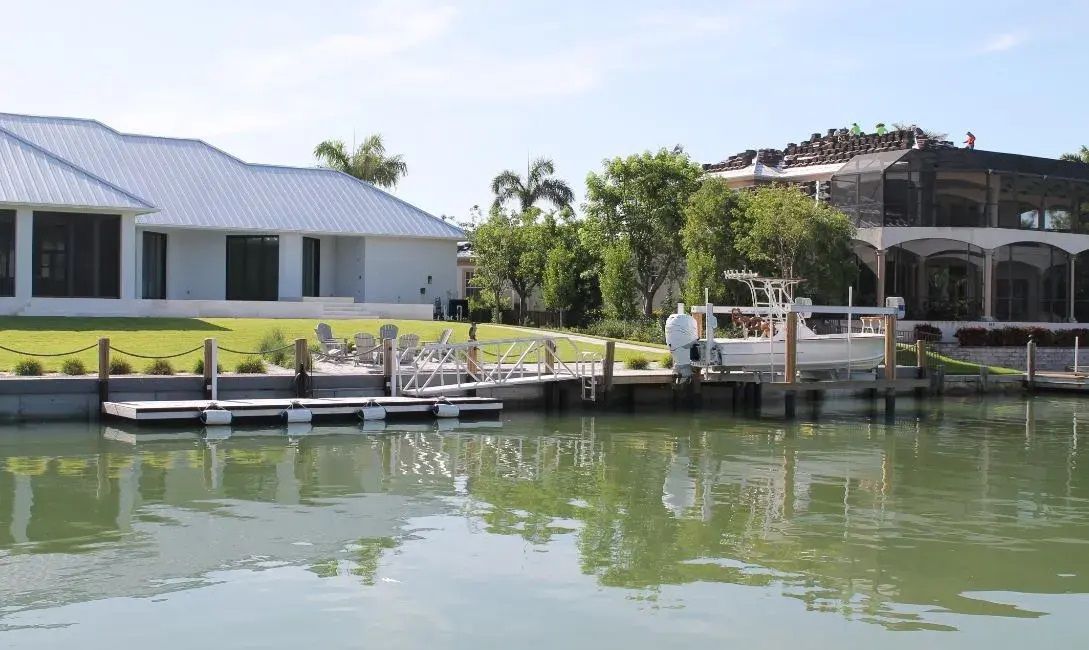
Seawalls are typically built from reinforced concrete or steel, engineered to withstand significant wave height and repeated pressure from tidal movement. In areas like Naples Bay or Marco Island, where storm activity is real and water levels fluctuate, a properly constructed seawall is often a long-term investment in flood protection and property preservation.
What Is a Bulkhead?
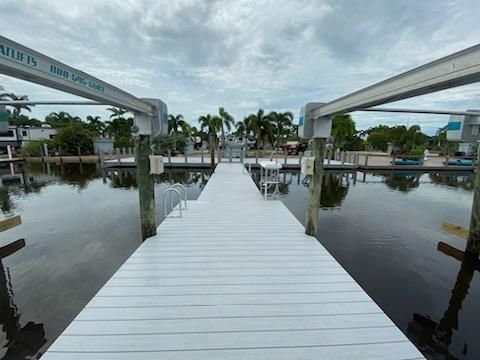
A bulkhead functions more like a retaining wall than a wave-deflection structure. Its primary job is soil retention, holding back the earth on one side while keeping water on the other. You will find bulkheads used extensively in calm waterways, canals, and marinas where wave power is minimal.
Common materials include polyvinyl chloride (PVC), lumber, steel, and concrete. They are generally easier to install and lower in cost upfront, but they are not designed to handle the same energy load as a seawall. In high-exposure coastal zones, a bulkhead used where a seawall belongs is a maintenance problem waiting to happen.
Seawall Vs Bulkhead: How to Tell Which One Your Property Needs
The deciding factor usually comes down to your specific water exposure.
If your property faces open water, strong tidal flow, or is vulnerable to storm surge, a seawall is the right structure. The engineering behind it is built to intercept wave energy and provide long-term durability against corrosion and marine life activity.
If your property sits along a calm canal or protected marina where water movement is minimal, a bulkhead may be entirely appropriate. It handles soil pressure effectively and keeps your shoreline stable without the added construction complexity.
A
seawall inspection is a smart first step if you are unsure. A trained eye can read the existing conditions along your coast and tell you what level of protection your foundation actually needs.
Why Local Expertise Matters in Collier County
Collier County's coastline is not one-size-fits-all. From the riprap-edged shores of Keewaydin Island to the calm canal systems of Everglades City, the water behaves differently in every location. What works well in a protected bay may fail quickly when exposed to Gulf-side wave activity.
Kalvin and Calvin Marine Construction has been serving this coastline for over 40 years. The team understands local soil conditions, tidal patterns, and the materials - whether reinforced concrete, steel, or PVC - that hold up against the specific demands of Southwest Florida's marine environment.
Choosing Between a Seawall and Bulkhead
Choosing between a seawall and a bulkhead is not a guessing game. It is an engineering decision based on your waterway, your exposure, and what your shoreline is actually up against. Get it right the first time, and you protect your property for decades. Get it wrong, and you are looking at accelerated erosion, foundation damage, and expensive repairs.
If you are ready to find out which structure fits your waterfront,
reach out to Kalvin and Calvin Marine Construction at
(239) 280-6054 to schedule a seawall inspection.