Wet Slip vs Dry Slip Boat Storage
If you own a boat in Collier County, Florida, you have probably spent at least a few minutes wondering where the thing should live when you are not using it. The answer is not as simple as picking the closest marina or the cheapest option on the list.
The type of storage that makes sense for your boat depends heavily on what kind of hull you have, how often you use the water, and what you want your ownership experience to feel like. This guide breaks it all down in plain terms so you can make the right call.
What Is a Wet Slip, Exactly?
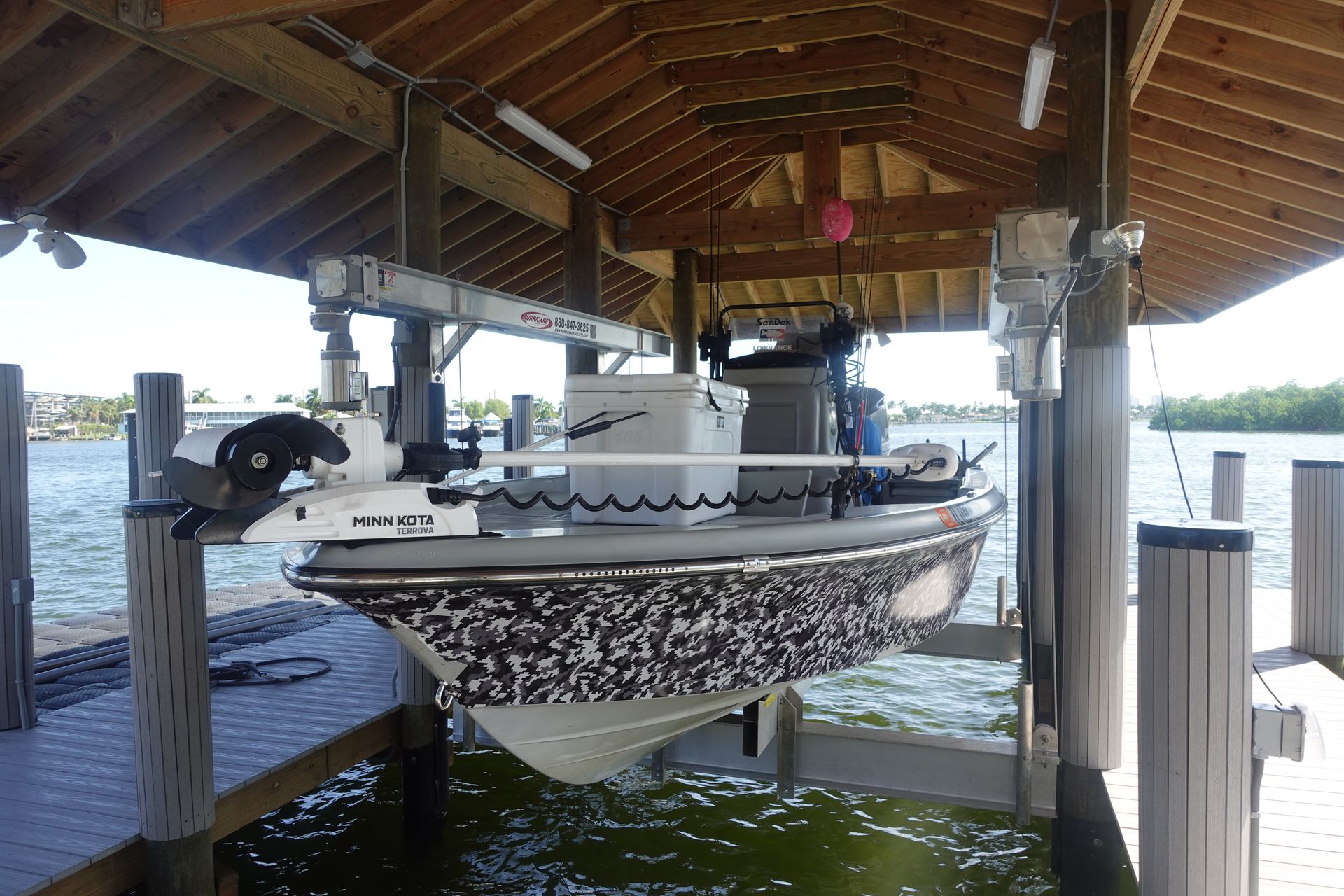
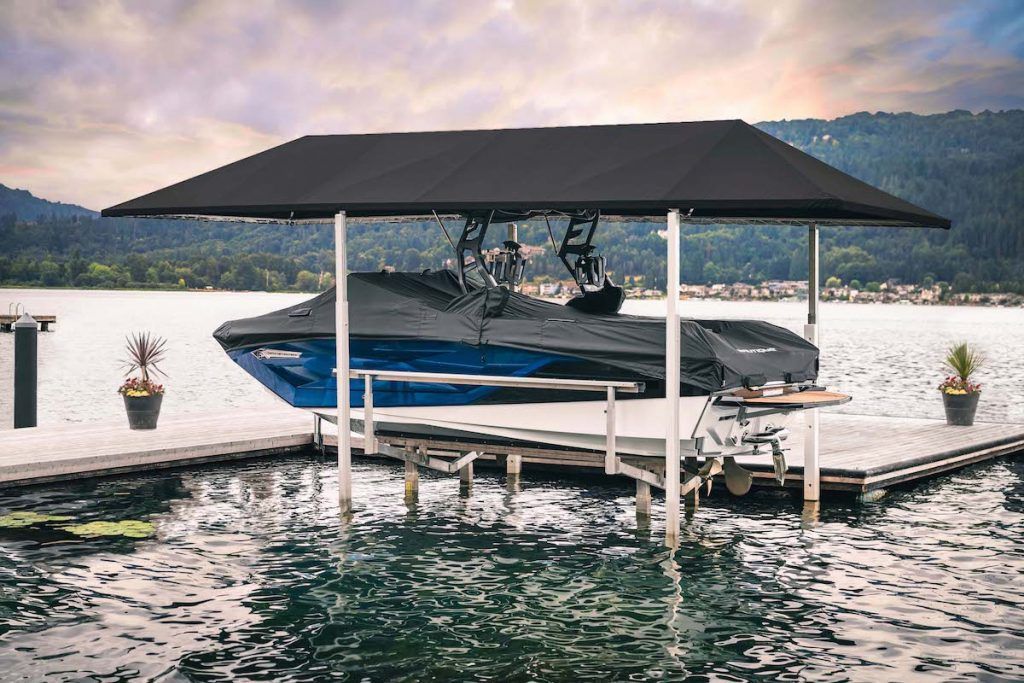
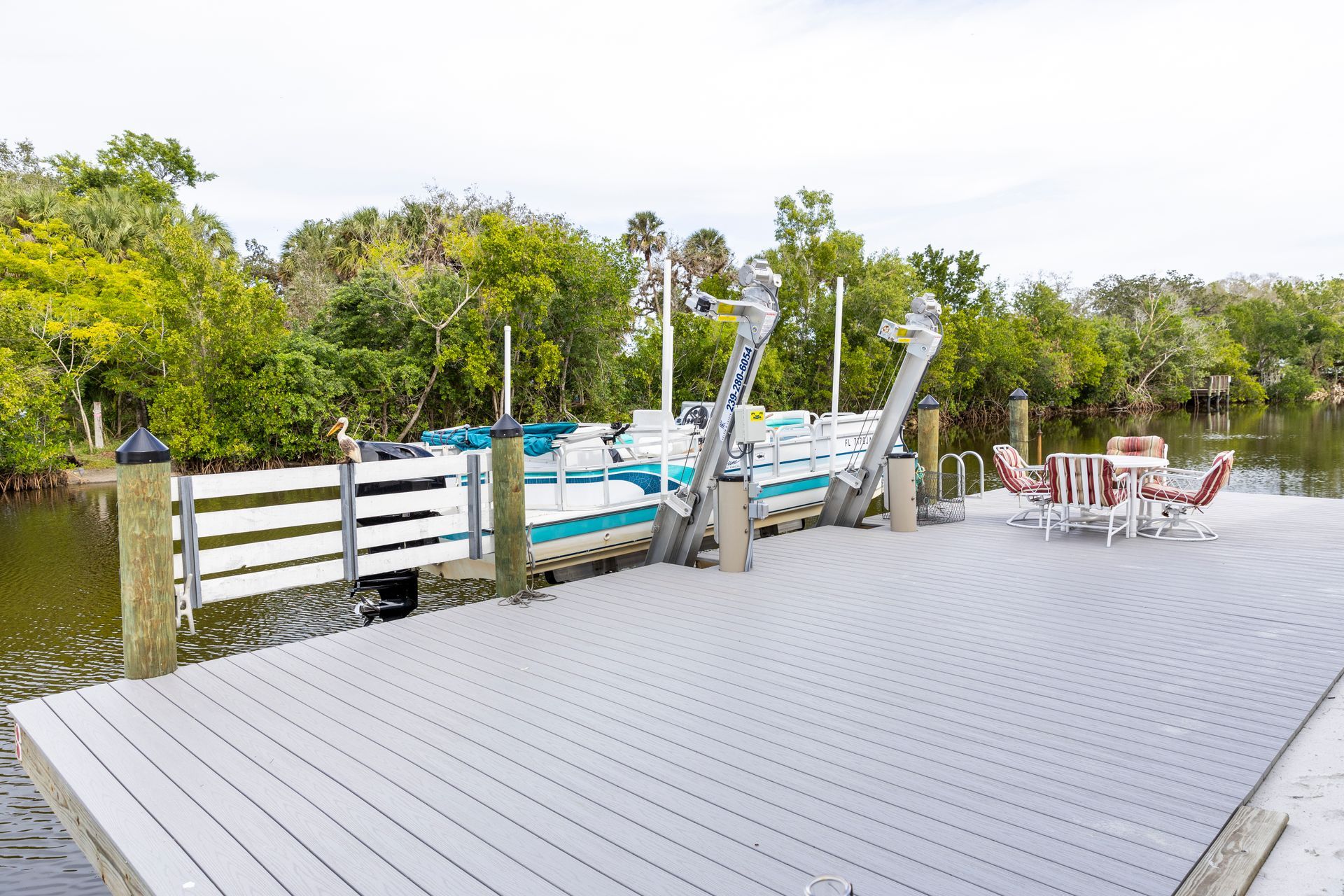
A wet slip is a designated space at a dock or marina where your boat floats in the water full-time. The boat stays in the slip whether you are using it or not, tied up and ready to go whenever you are.
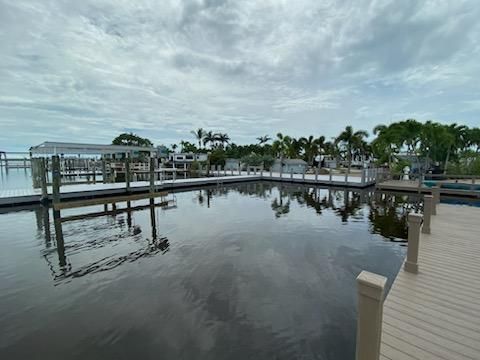
In Southwest Florida, wet slips are common along places like Naples Bay, Marco Island, and Port Royal. Waterfront homeowners often have private wet slips built directly onto their property, which is one of the more convenient setups you can have as a boat owner.
The obvious appeal is immediate access. You walk down the dock, untie, and go. There is no waiting, no scheduling, no forklift involved.
What Is a Dry Slip and How Does It Work?
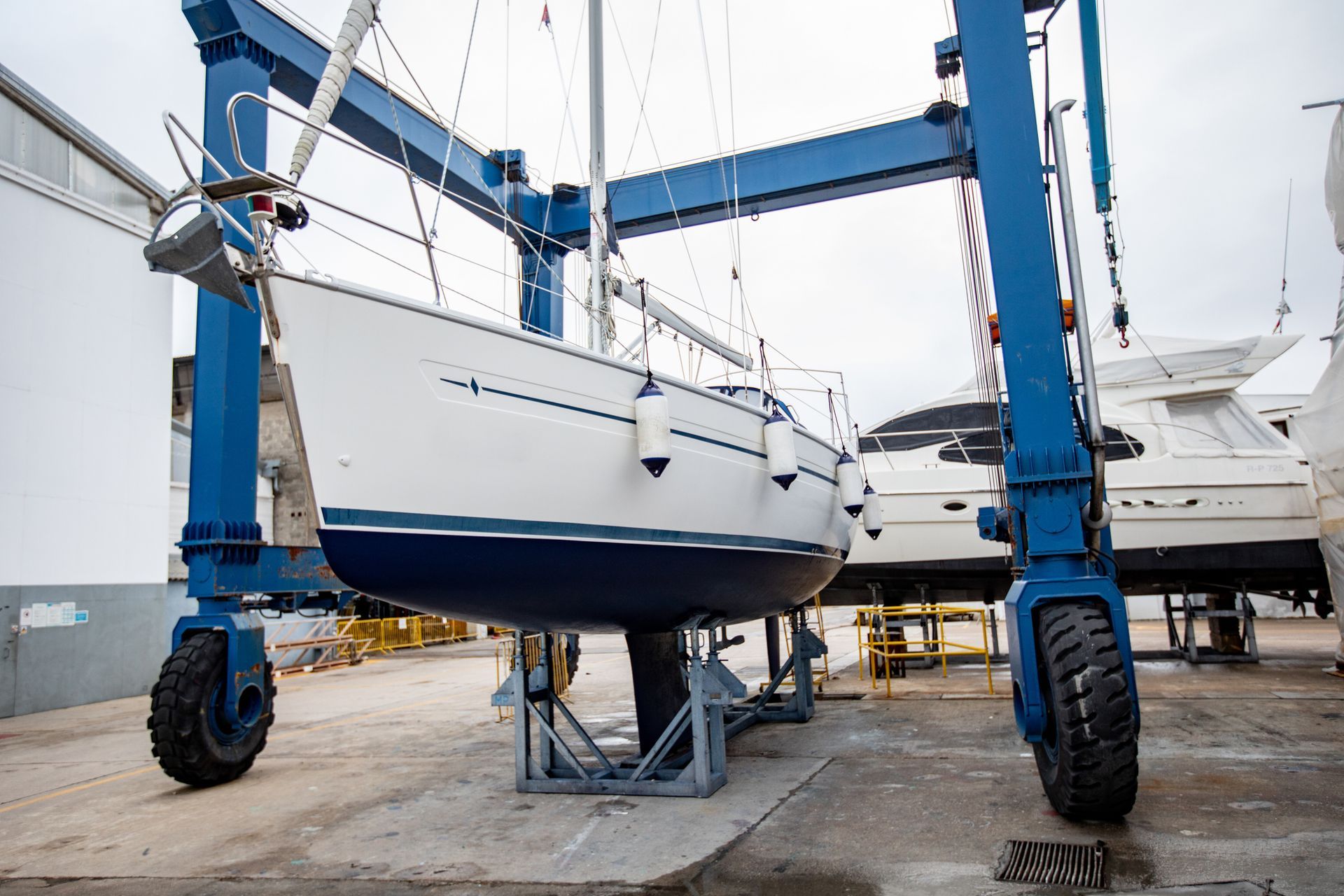
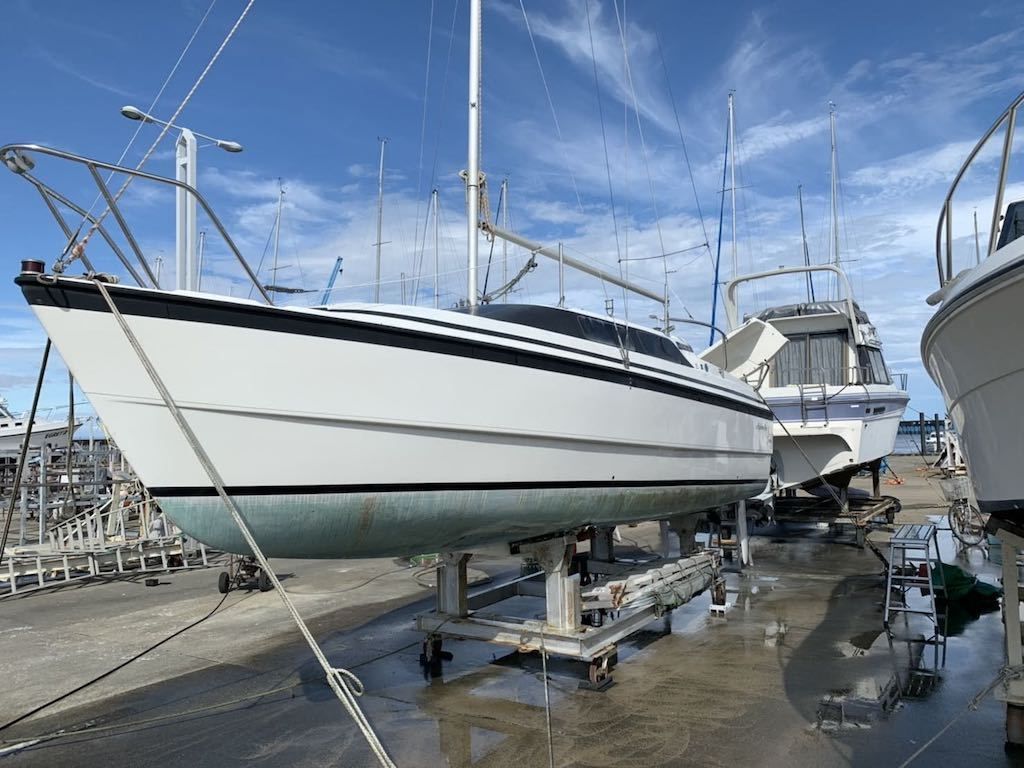
A dry slip, also called dry storage, keeps your boat out of the water entirely when it is not being used. At a marina, this usually means your boat gets stacked inside a large storage facility and retrieved by a forklift when you are ready to launch. For private owners, it can simply mean trailering the boat home or storing it under a covered structure on land.
The idea behind dry storage is simple: boats deteriorate faster when they remain in saltwater around the clock. Getting the hull out of the water between trips slows down that process considerably.
Dry storage has grown popular in Collier County partly because of how aggressive the marine environment here can be. Saltwater, heat, and biological growth are all working against your hull every day it spends in the water.
Hull Type Is the Real Deciding Factor
This is where most boat owners get confused. People focus on price or convenience, but the first question you should ask is: what is my hull made of, and what does the manufacturer recommend?
Fiberglass Hulls
Fiberglass is the most common hull material for recreational boats in Southwest Florida. It is durable, relatively low-maintenance, and widely available in every size from small center consoles to large cruisers.
Fiberglass hulls can handle both wet and dry storage, but they are not immune to the effects of constant water exposure. Osmotic blistering is the main concern, which happens when water slowly seeps through the gelcoat and creates bubbles beneath the surface. The longer a fiberglass hull sits in warm saltwater, the higher the risk.
If your fiberglass boat spends a lot of time idle in a slip, antifouling bottom paint becomes a necessary part of the equation. It protects against marine growth like barnacles and algae, but it also adds ongoing maintenance costs.
Aluminum Hulls
Aluminum hulls are popular among anglers and utility boat owners who prioritize durability and low maintenance. Aluminum handles freshwater well but behaves differently in saltwater environments.
In the brackish and saltwater conditions common around Naples Bay and Marco Island, aluminum can corrode over time when left wet-stored without proper care. Galvanic corrosion is a particular concern, especially when aluminum comes into contact with other metals in or near the water.
Dry storage tends to be the better long-term choice for aluminum hulls in this environment. Getting the boat out of the water between uses dramatically reduces exposure and extends the life of the hull.
Wooden Hulls
Wooden boats are a different category entirely and require more deliberate thought about storage. Some wooden hulls actually need to stay in the water to keep the wood swelled and the seams tight. Taking them out of the water for extended periods can cause the wood to dry out and the hull to open up.
If you own a wooden vessel, you likely already know how particular the care requirements are. Wet slip storage is often the preference, but the specific needs vary depending on the construction method and the age of the boat.
Pontoon Boats
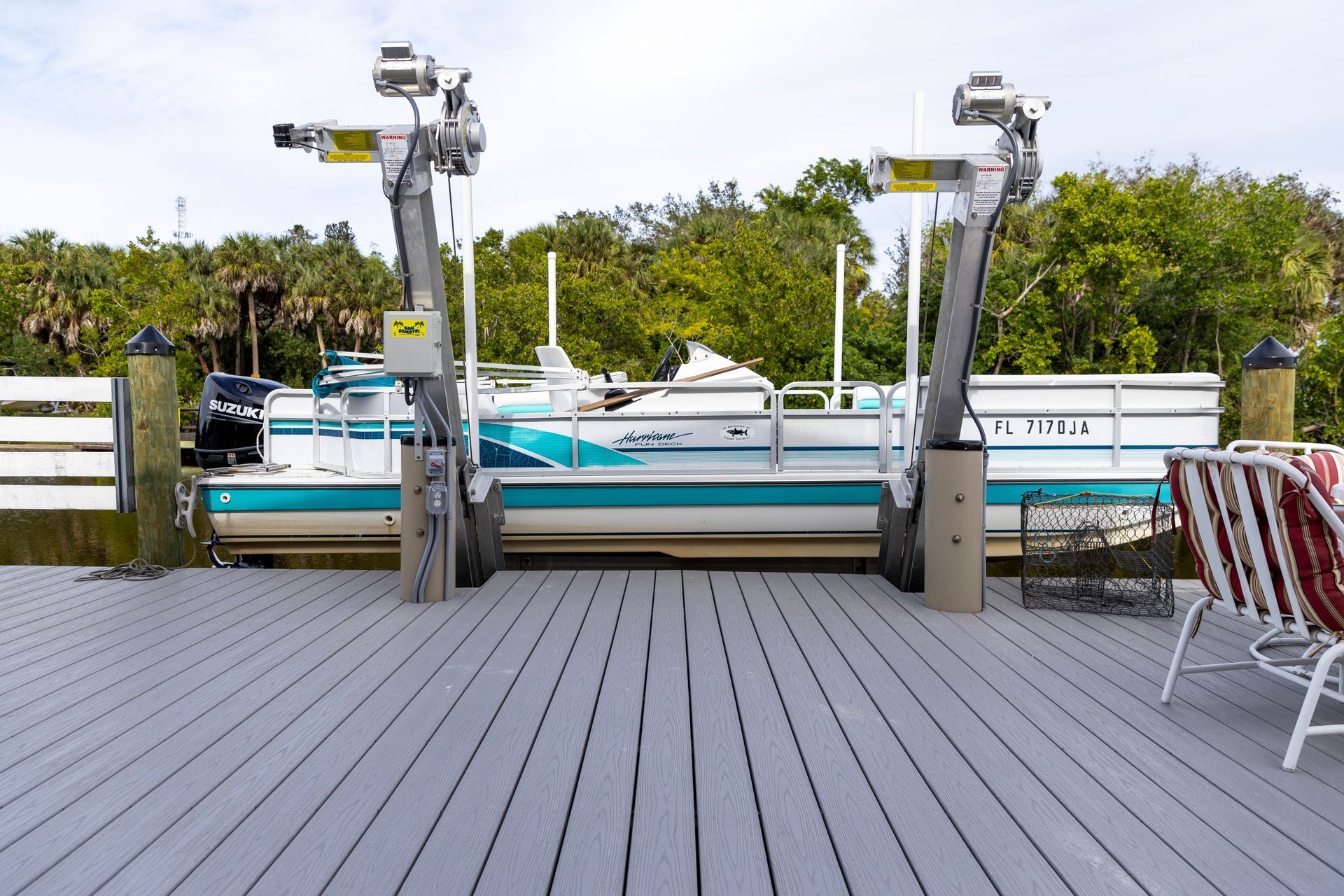
Pontoon boats are popular on calmer waters and tend to be used as social or leisure vessels rather than for serious fishing or offshore runs. The pontoons themselves are typically aluminum, which means the same corrosion concerns apply.
Wet slip storage can work fine for pontoons with proper maintenance, but dry storage or at least regular haul-outs are worth considering if the boat spends long stretches without being used.
The Case for Wet Slip Storage in Southwest Florida
Wet slip storage has genuine advantages that are hard to argue with, especially for boat owners who use their vessels frequently.
Immediate access is the biggest one. If you are someone who heads out multiple times a week, having the boat ready and waiting in the water saves a meaningful amount of time and hassle. There is no need to schedule a launch window or coordinate with marina staff.
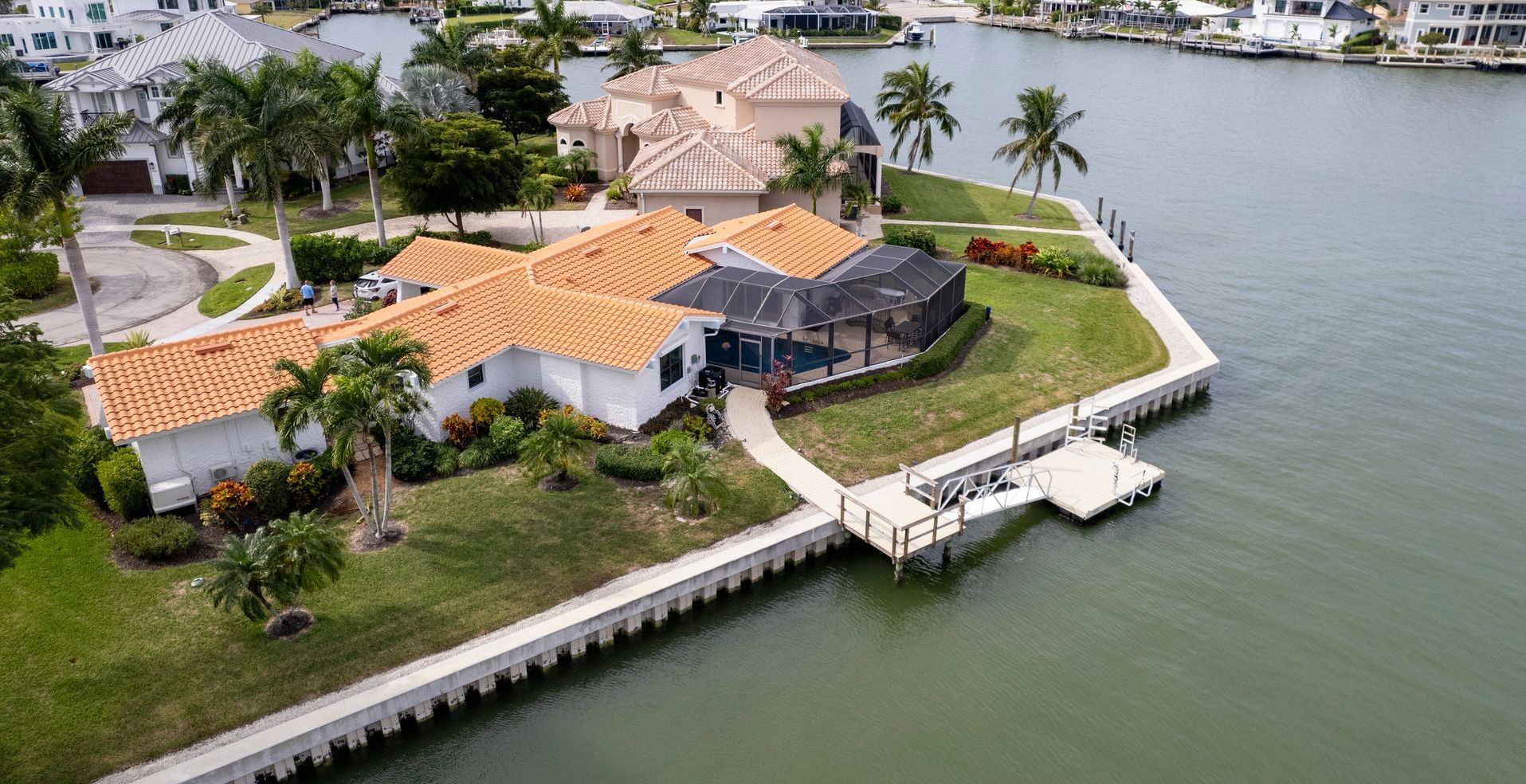
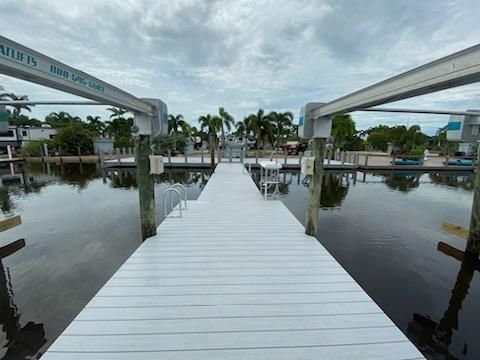
Private dock ownership takes this a step further. Homeowners with a dock and wet slip built onto their own waterfront property have the most convenient setup possible. The boat is steps from the back door, and access is entirely on your own schedule.
In Collier County, many waterfront properties have private docks with wet slips. If you are considering having a dock built or adding a slip to an existing structure, working with an experienced local dock builder ensures the setup is designed correctly for your specific boat and waterway conditions.
The Case for Dry Slip Storage
Dry storage is often the smarter choice from a long-term hull preservation standpoint, and the math tends to favor it for boat owners who are honest about how often they actually use the water.
When your boat is out of the water, it is not fighting saltwater intrusion, marine growth, or galvanic corrosion. That translates to less money spent on bottom paint, hull treatments, and repairs over the life of the boat.
Dry storage also tends to reduce the risk of sinking at the dock, which happens more often than people expect. A boat left in the water is susceptible to rainfall accumulation, bilge pump failures, and hull damage from dock lines or neighboring vessels.
The trade-off is convenience. Dry storage at a marina requires you to call ahead, schedule a launch, and wait for the forklift crew to retrieve your boat. For casual boaters who head out on weekends or occasional outings, this is usually a reasonable trade.
Comparing the Two Side by Side
Rather than laying this out as a table, it helps to think of wet slip and dry storage as two different ownership philosophies.
Wet slip ownership says: I want to be on the water on my terms, without waiting. I am willing to maintain the hull more actively and invest in keeping the boat protected while it is in the water.
Dry storage ownership says: I want my boat to last longer with less ongoing maintenance cost. I am fine with a little lead time before a launch, and I do not need instant access every time.
Neither approach is wrong. The right answer depends on how you use the boat, what the hull can handle, and what your property situation looks like.
What About Boats in Naples Bay and Nearby Waters?
Naples Bay and the surrounding waterways present a specific set of environmental conditions that are worth understanding before you make a storage decision. The water here is warm year-round, which accelerates biological growth on hulls sitting in wet slips. Tidal fluctuations, boat traffic, and salinity all add to the wear and tear on any hull that stays in the water continuously.
For boat owners along areas like the Moorings, Park Shore, or Vanderbilt Beach, the appeal of a private wet slip is understandable. Access is immediate, and the waterfront lifestyle is a big part of why people choose these communities in the first place.
But that convenience comes with a commitment to hull maintenance. Antifouling paint, regular inspections, and keeping up with anode replacement are all part of the deal when your boat lives in Southwest Florida's saltwater.
Building or Improving a Dock for Your Wet Slip
If you are leaning toward a wet slip setup, especially on private waterfront property, the quality of the dock itself matters a great deal. A dock that is poorly designed or built with the wrong materials for the local marine environment will cost you more in repairs and headaches than the initial savings are worth.
Collier County's coastal conditions require materials and construction methods that can stand up to saltwater exposure, storm activity, and heavy use. Dock design also needs to account for the specific type of boat being stored, including its beam, draft, and weight.
Families and property owners throughout Collier County have relied on experienced local dock builders to get this right the first time. If you want to understand what goes into building a dock that will serve your boat well for years, the
dock building page is a useful place to start.
Frequently Asked Questions
Is a wet slip bad for a fiberglass boat?
Not necessarily, but it does increase the risk of osmotic blistering and requires more consistent hull maintenance. Regular antifouling paint applications and hull inspections help offset the risk.
Which storage option costs more in the long run?
Wet slip storage typically involves higher ongoing maintenance costs due to bottom paint, antifouling treatments, and greater exposure to marine growth. Dry storage has lower maintenance demands but may involve monthly storage fees at a marina.
Can I have a wet slip on my private property in Collier County?
Yes. Many waterfront homeowners in Collier County have private docks with wet slips built directly onto their property. These require proper permits and construction by a licensed dock builder familiar with local regulations and waterway conditions.
How often should I haul out a boat stored in a wet slip?
Most boat owners who use wet slips have their hull inspected and bottom paint refreshed annually. Depending on the hull material and local conditions, some owners do it more frequently.
Does hull material really make that big a difference in the decision?
Yes, it is one of the most important factors. Aluminum hulls in saltwater environments benefit significantly from dry storage. Fiberglass hulls are more flexible but still need consistent care if stored wet. Wooden boats often require specific conditions based on their construction.
Choosing the Right Slip for Your Boat
The wet slip versus dry slip debate does not have a universal winner. Your hull material, how often you use your boat, and your property situation all point toward one option or the other. For waterfront homeowners in Collier County looking to maximize convenience without sacrificing hull care, a well-built private dock and slip is often the best of both worlds.
If you are ready to explore what a properly designed dock setup looks like for your property,
reach out to
Kalvin and Calvin Marine Construction at
(239) 280-6054 or take a closer look at the
dock building services offered throughout Collier County.