Commercial Dock Construction: Choosing Piling Depth & Material
When people think about building a commercial dock, they usually picture the surface - the decking, the cleats, the walkways. But the part that actually determines whether a dock lasts five years or fifty years is mostly underwater and out of sight.
Pilings are the foundation of everything. If they fail, the dock fails. It's really that simple.
Understanding how pilings work, what makes them fail, and what separates a well-built commercial dock from one that becomes a liability is exactly what this article is about.
What Pilings Actually Do
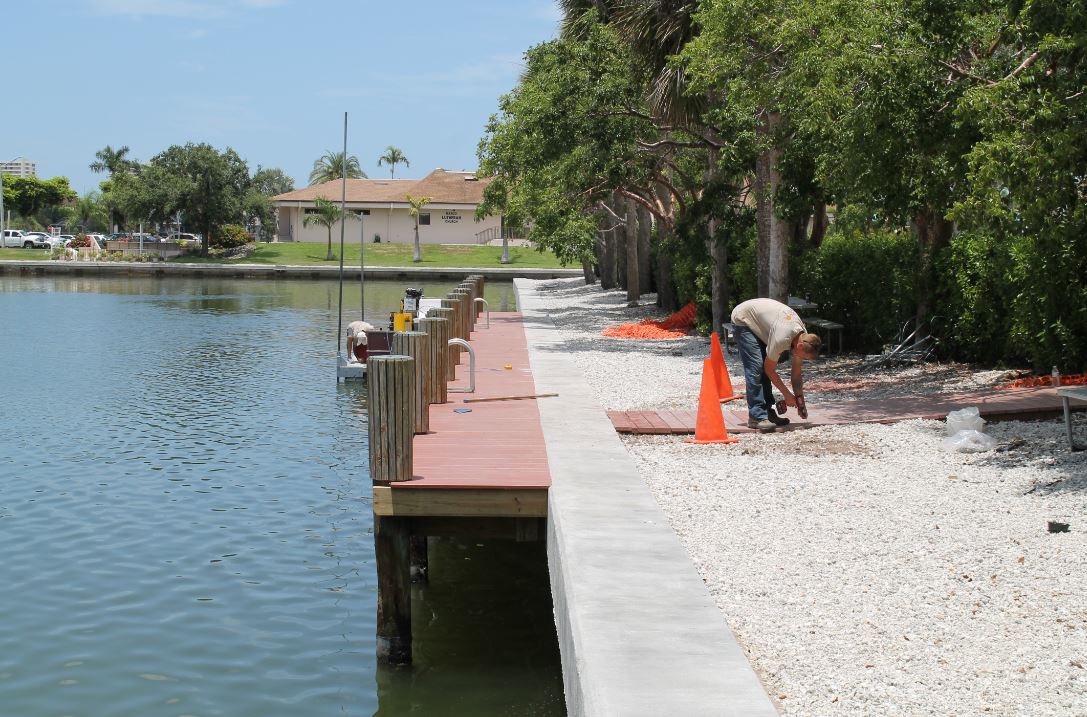
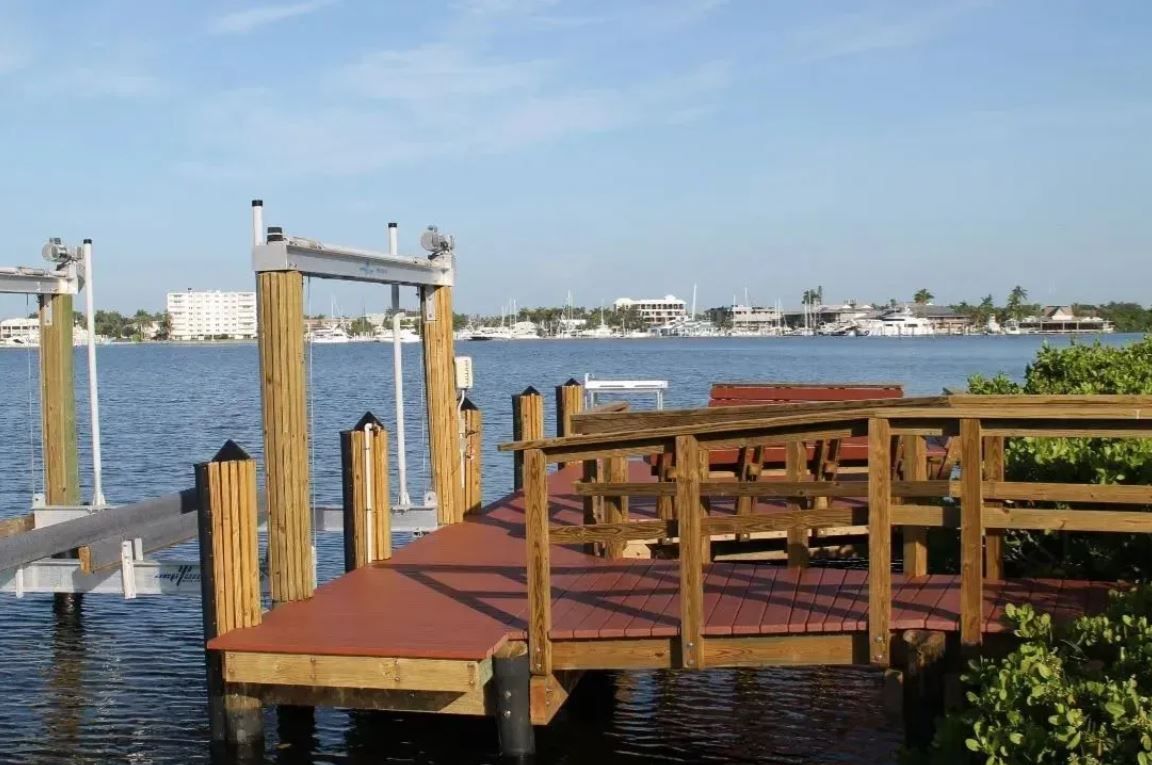
A piling is a long, load-bearing post driven deep into the bottom sediment beneath a body of water. It supports the entire weight of the dock structure above it - the framing, the decking, the equipment, the vessels tied to it, and the people walking across it.
In a commercial setting, that load is not trivial. You might have heavy fishing vessels, forklifts moving product, fuel systems, and dozens of people on the structure at any given time. The pilings have to handle all of it without shifting, tilting, or degrading faster than expected.
They also have to resist lateral forces. Wind, wave action, and boat wake push against the structure sideways. Well-driven pilings with the right embedment depth hold the dock steady under all of that.
Why Piling Quality Defines Commercial Dock Longevity
It is tempting to cut costs on pilings because they are hidden. Nobody sees them once the dock is built. But this is exactly the kind of shortcut that turns into a very expensive problem in a few years.
A dock built on undersized, improperly driven, or low-quality pilings will start showing signs of failure early. Decking warps. Framing separates. The whole structure develops an uneven, shifting feel that makes it unsafe for workers and customers.
In a commercial context, that is not just a maintenance headache. It is a liability issue, a permitting issue, and potentially a business interruption if the dock has to be closed for emergency repairs.
How Deep Do Pilings Need to Go?
There is no one-size-fits-all answer to piling depth, and any contractor who gives you a number without evaluating the site first is not someone you want building your dock.
Depth depends on bottom composition, water depth, structural load, and local conditions including tidal variation and wave exposure. In Collier County, the coastal geology varies considerably depending on whether you are working in Naples Bay, Marco Island, or the more protected waters near Keewaydin Island.
The goal is sufficient embedment - meaning the piling goes deep enough into stable sediment that it resists both vertical load and lateral movement under realistic use conditions.
What Happens When Pilings Are Underdriven?
An underdriven piling sits in soft or unstable sediment rather than reaching a stable layer. It may look fine initially but will begin to shift under load. Rocking or tilting pilings transfer stress to the connections above them, which causes fasteners to loosen, framing members to crack, and decking to become uneven.
In saltwater environments like those throughout Southwest Florida, that kind of movement accelerates corrosion at every metal connection point. What starts as a piling problem quickly becomes a whole-dock problem.
Choosing the Right Piling Material for Southwest Florida
Material selection is one of the most consequential decisions in commercial dock construction. The marine environment in Collier County is harsh in ways that are not obvious until you understand what salt water, UV exposure, marine organisms, and tidal cycling actually do to materials over time.
Treated Wood Pilings
Pressure-treated timber pilings have been used in marine construction for decades and remain common in commercial applications. The key variable is the treatment level. Marine-grade treated wood uses a higher concentration of preservative to resist rot and marine borers, which are wood-boring organisms that can hollow out an untreated piling in a matter of years in warm Florida waters.
When properly specified and installed, treated timber pilings offer solid performance and are cost-effective for many commercial dock projects. They are also easier to work with during construction, which can reduce labor time and overall project cost.
Concrete Pilings
Prestressed concrete pilings are significantly more durable in saltwater environments. They are not susceptible to marine borers; they resist corrosion far better than untreated or lightly treated alternatives, and they carry very high compressive loads.
The tradeoff is weight and cost. Concrete pilings require heavier equipment to drive and are more expensive per unit. But for high-load commercial applications - marinas, commercial fishing docks, or working waterfront facilities - the longevity advantage often justifies the investment.
Composite and Fiberglass Pilings
Composite pilings made from recycled materials or fiberglass are increasingly used in marine construction. They resist rot, marine borers, and corrosion without chemical treatment, which also makes them a cleaner environmental option.
They tend to cost more upfront than treated timber but offer a lifespan that can rival or exceed concrete in certain applications. For commercial operators thinking in terms of total cost of ownership over twenty or thirty years, composites are worth serious consideration.
The Installation Process and Why It Matters
Even the best piling material fails if it is not installed correctly. The installation process involves more precision than it might appear from the surface.
Site Assessment and Engineering
Before a single piling goes into the water, a competent marine contractor will evaluate soil conditions, water depth, tidal range, expected loads, and applicable regulations. In Collier County, marine construction is subject to permitting requirements that reflect both structural and environmental considerations, particularly near sensitive habitat areas.
Skipping or rushing this phase is a common mistake made by less experienced contractors. It leads to pilings placed in the wrong location, driven to the wrong depth, or spaced in a way that creates structural inefficiency.
Driving Technique
Pilings are driven using hydraulic or vibratory hammers mounted on barges or work platforms over the water. The method used depends on bottom conditions. Vibratory hammers work well in soft sediment and are faster, but impact driving may be necessary in harder material to reach adequate depth.
A contractor who has worked extensively in Collier County waters will know the soil conditions common to different areas - the softer bottom in protected bays versus the denser material you might encounter in certain tidal channels. That local knowledge is not something you can substitute with a general estimate.
Alignment and Spacing
Piling alignment has to be precise. Piles that are out of plumb or unevenly spaced create framing problems that compound over time. Proper spacing also matters for load distribution - pilings spaced too far apart concentrate stress in ways that the framing material may not handle well under repeated loading.
Commercial Dock Permits in Collier County
Commercial dock construction in Collier County requires permits, and the permitting process involves multiple agencies depending on the location and scope of the project. This is not bureaucracy for its own sake. The regulations exist because the coastal and estuarine environment here is ecologically sensitive and economically valuable.
Working with a contractor who understands the local permitting landscape saves time, money, and significant frustration. Permit applications that are incomplete or that do not account for environmental review requirements get delayed or rejected, which pushes project timelines out considerably.
Kalvin and Calvin Marine Construction has been working in this regulatory environment for over forty years. That familiarity with what agencies require, what documentation is needed, and how to design a project that meets both functional and regulatory standards is part of what clients get when they work with an experienced local firm.
Common Piling Failures on Commercial Docks and What Causes Them
Understanding what goes wrong helps you ask better questions when evaluating a contractor or inspecting an existing dock.
- Marine borer damage is one of the most common and destructive failure modes for untreated or under-treated timber pilings in Florida waters. Marine borers can hollow out a piling from the inside while it still looks intact on the surface. By the time visible damage appears, structural integrity may already be severely compromised.
- Corrosion at the waterline is another major issue. The zone where a piling transitions between air and water exposure experiences the most aggressive chemical and biological attack. Proper material selection and protective coatings, where applicable, matter most here.
- Settlement and shifting occur when pilings were not driven to adequate depth or when bottom conditions change over time due to erosion or sediment movement. A dock that was solid when built can develop movement problems years later if the original embedment was marginal.
- Mechanical damage from vessel impact is a reality in any working commercial dock environment. Piles need to be robust enough to absorb incidental contact without cracking or splintering, and the dock should be designed with fender systems that protect the structure from more serious impacts.
Inspection and Maintenance for Commercial Dock Pilings
The best piling installation in the world requires periodic inspection to remain safe and compliant. For commercial operators, this is not optional. A dock that is in active commercial use needs to be evaluated regularly by someone who knows what to look for below the waterline.
Visual inspection from the surface only tells part of the story. Subsurface evaluation, whether through diving inspection or electronic testing methods, is necessary to assess piling condition in the critical zones that are not visible during normal observation.
For operators who already have a dock in service and are unsure of its current condition, a professional inspection is the logical starting point before committing to any repair or improvement work.
Why Local Experience Matters for Commercial Dock Construction
Southwest Florida's waterfront environment has specific characteristics that a contractor needs to understand from direct experience, not just from engineering textbooks. The tidal patterns, the bottom composition in different water bodies, the seasonal weather patterns that affect construction scheduling, and the local permitting requirements all factor into how a project gets planned and executed.
Kalvin and Calvin Marine Construction was founded by people who grew up in Collier County and have spent their careers working in these specific waters. The company has contributed to the construction and repair of many of the area's most recognized waterfront landmarks. That history matters when you are trusting someone to build a structure that your business depends on.
Working with a contractor who has that kind of local track record means fewer surprises, more accurate project planning, and a finished product that reflects genuine familiarity with the conditions it will face.
Frequently Asked Questions About Commercial Dock Pilings
How long should commercial dock pilings last?
Lifespan depends heavily on material selection and installation quality. Marine-grade treated timber pilings typically last 20 to 30 years in saltwater environments with proper maintenance. Concrete and composite pilings can last 40 to 50 years or longer when correctly installed. These ranges assume reasonable maintenance and periodic inspection.
Can existing pilings be repaired, or do they need to be replaced?
It depends on the nature and extent of the damage. Pilings with localized surface deterioration can sometimes be wrapped or treated to extend their useful life. Pilings with structural compromise - internal borer damage, significant corrosion loss, or cracking - typically need to be replaced rather than repaired. A proper inspection is necessary to make that determination for any specific piling.
How many pilings does a commercial dock need?
There is no standard number. Piling count and spacing are determined by the structural loads the dock needs to carry, the span of the framing, and the conditions at the site. A dock that handles light foot traffic needs fewer pilings than one supporting heavy equipment or large commercial vessels. Engineering the right layout for the specific use case is part of what distinguishes a well-designed commercial dock from one that was built to a price point.
Does piling installation disturb the marine environment?
It can, which is why environmental review is part of the permitting process in Collier County. Proper project design and sequencing minimize impact, and experienced contractors plan installation in ways that account for sensitive habitat areas. This is another reason local knowledge and regulatory experience matter when selecting a contractor.
Build a Commercial Dock on a Strong Foundation
Pilings are not a line item to minimize - they are the reason a commercial dock stands or fails. Getting them right means choosing the correct material, driving them to proper depth, and working with someone who knows this coastline. If you are planning a commercial dock project in Collier County or need to understand what your existing structure can safely handle, start with a conversation with people who have built and maintained these structures for decades.
Reach out to Kalvin and Calvin Marine Construction at
(239) 280-6054 to talk through your project.