Dock Piling Caps: Stopping End-Grain Rot in Collier County
If you own a dock in Collier County, Florida, you already know that the water is relentless. The sun beats down, the salt air creeps into everything, and the tides never stop. Your dock takes a beating every single day, and the pilings holding it up are no exception.
Most dock owners focus on the decking they can see and walk on. But the tops of your pilings - those exposed wood ends sitting above the waterline - are quietly absorbing moisture, UV radiation, and everything else the environment throws at them. That is exactly where rot starts, and it can compromise your entire structure before you ever notice a problem.
Dock piling caps are one of the simplest, most cost-effective defenses you have. Here is what they are, why they matter, and what you should know before your next dock project or inspection.
What Are Dock Piling Caps?
Dock piling caps are protective covers placed on top of wooden dock pilings. They are typically made from high-density polyethylene (HDPE), PVC, or similar marine-grade plastics designed to handle harsh waterfront conditions.
The concept is straightforward. The top of a wood piling is an end-grain surface, meaning the wood fibers are exposed and open. End grain absorbs water much faster than the sides of a piling. That moisture gets trapped, and rot sets in - sometimes deep inside the piling where you cannot see it.
A properly fitted piling cap seals that exposed surface from above. It keeps out rainwater, blocks direct UV exposure, and significantly slows the deterioration process.
Why End-Grain Rot Is Such a Problem in Collier County
Southwest Florida's climate creates near-perfect conditions for wood deterioration. The combination of intense sun, high humidity, salt air, and frequent rain cycles accelerates the breakdown of untreated or unprotected wood.
Collier County waterfront properties - from Naples Bay to Marco Island to Everglades City - sit in environments where this kind of damage is not a matter of "if" but "when." Wood pilings are incredibly strong structural elements, but their Achilles' heel is moisture retention at exposed surfaces.
What makes end-grain rot particularly frustrating is that it is not always visible from the surface. By the time you notice discoloration, soft spots, or structural weakness in a piling, the damage may already be significant. Dock piling caps interrupt this process early, before it becomes an expensive repair.
How Dock Piling Caps Extend the Life of Your Structure
Protecting a piling from the top down is not just about keeping water off one small surface. It creates a chain of benefits that adds up over years of exposure.
When the top of a piling stays dry and sealed, the wood beneath it retains its structural integrity longer. That means the piling continues to support load capacity as intended. It also means the creosote or other preservative treatments used on marine-grade timber stay more effective, since moisture intrusion is one of the primary ways those treatments get undermined.
Over the lifespan of a dock, this translates into fewer replacement pilings, fewer structural repairs, and a longer interval before a full rebuild becomes necessary. For property owners in Port Royal, Park Shore, or the Moorings, where premium waterfront real estate means premium dock expectations, that matters enormously.
Types of Dock Piling Caps Worth Knowing About
Not every piling cap is built the same way, and the right choice depends on your piling diameter, material, and dock design.
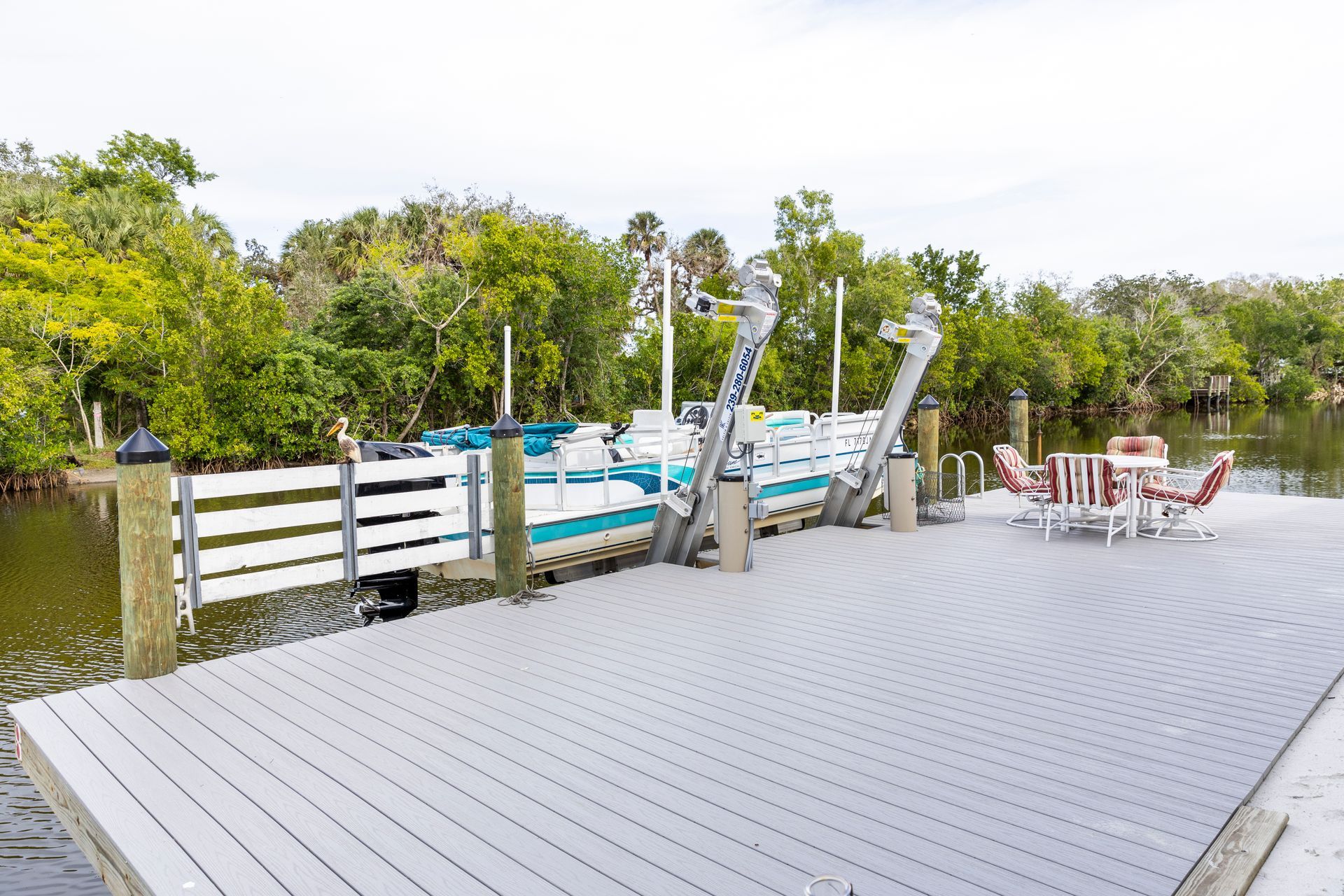
- Standard flat caps are the most common option. They fit snugly over the top of the piling and create a sealed barrier. These are affordable and effective for most residential dock applications.
- Dome or pyramid caps are designed to shed water more aggressively. The sloped surface redirects rain runoff away from the piling rather than letting it pool around the edges of the cap. These tend to perform well in areas with heavy rainfall.
- Decorative caps combine function with aesthetics. For properties where dock appearance matters as much as performance - which is true for many Collier County waterfront homes - these caps come in styles that complement the overall dock design without sacrificing protection.
- Pile caps with weep holes are specifically engineered to allow any trapped moisture to escape while still blocking incoming water. This reduces the risk of moisture buildup between the cap and the piling surface.
The right cap should fit your piling diameter precisely. A loose-fitting cap creates gaps where water and debris can collect, defeating the purpose entirely.
Installation: What to Expect
Piling cap installation is not a complicated process, but it does require the right fit and proper attention to the condition of each piling before the cap goes on.
Before capping a piling, an experienced marine contractor will assess the top surface for any existing rot or damage. Capping over already-compromised wood traps the problem underneath and allows it to continue. Any deterioration should be addressed first.
Once the piling tops are in good condition, caps are typically installed using marine-grade adhesive, fasteners, or a combination of both to ensure they stay secure through storms and wave action. In Collier County, that last point is not trivial - dock hardware needs to hold up through tropical weather conditions.
The process is usually quick and can often be completed during a broader dock maintenance visit. It is a low-disruption upgrade with meaningful long-term benefits.
Signs Your Pilings May Already Be at Risk
If you have not inspected your dock pilings recently, there are some warning signs worth watching for.
Visible cracking or checking at the top of a piling is a sign that wood has been absorbing and releasing moisture repeatedly. Discoloration - especially dark staining around the top - can indicate the early stages of rot. Soft or spongy wood when you press on the surface is a red flag that deterioration has already begun.
Even if none of these signs are present, exposed, uncapped pilings in Collier County's environment are accumulating damage over time. The absence of visible symptoms does not mean the wood is fully protected.
If you are unsure about the current condition of your pilings, a professional dock inspection is the most reliable way to get a clear picture of where things stand.
Combining Piling Caps with a Broader Dock Protection Strategy
Piling caps are one piece of a larger maintenance picture. They work best when combined with other protective measures that address the full range of environmental threats your dock faces.
Marine-grade wood treatments and sealants applied to piling surfaces protect against saltwater and marine borers below the waterline. Regular inspections catch early-stage damage before it spreads. Proper deck drainage prevents standing water from working its way into structural connections.
Dock piling caps sit at the top of this strategy - both literally and figuratively. They are a first line of defense against the most common entry point for moisture damage on wood pilings.
For Collier County waterfront property owners, integrating this kind of protection into a regular dock maintenance plan is simply good stewardship of a significant investment.
Why Working with an Experienced Local Contractor Matters
Dock construction and maintenance in Southwest Florida is not the same as building a deck in a dry inland climate. The materials, methods, and long-term considerations are shaped by the marine environment, local water conditions, and the specific challenges of coastal construction.
Kalvin and Calvin Marine Construction has been serving Collier County waterfront property owners for over 40 years. The team grew up in this community and has been part of the marine construction industry since the mid-1970s. That history means they understand what works in this specific environment and what does not.
Whether you are looking at a new dock build, a repair project, or simply want an assessment of your current piling condition, working with a contractor who knows Vanderbilt Beach, Keewaydin Island, and Marco Island the way you know your own backyard makes a difference.
Frequently Asked Questions About Dock Piling Caps
How long do dock piling caps last?
High-quality HDPE or marine-grade PVC piling caps are designed to handle prolonged UV exposure, saltwater contact, and temperature fluctuations. In most cases, properly installed caps last many years before needing replacement, though periodic inspection is still recommended.
Can piling caps be added to an existing dock?
Yes. Caps can be retrofitted onto existing pilings at any time. The key is ensuring the piling tops are in good condition before installation. If existing damage is present, it should be addressed first.
Do all dock pilings need caps?
Any exposed wood piling in a marine environment benefits from capping. Even treated timber absorbs moisture at end-grain surfaces faster than on its sides. The investment is small compared to the cost of piling replacement.
What size cap do I need?
Cap size depends on your piling diameter. Standard residential dock pilings in Collier County often range from 8 to 12 inches in diameter. A contractor can confirm the right fit during a site visit or inspection.
Are piling caps purely functional, or can they look good too?
Both. Decorative piling caps are widely available in styles and finishes that complement the dock's overall design. Function and aesthetics do not have to be a trade-off.
Protect Your Dock Pilings From Rot
Dock piling caps are a small investment that pays off in a big way over time. They block the most common entry point for moisture damage, extend piling life, and reduce the frequency and cost of structural repairs. In Collier County's demanding waterfront environment, leaving piling tops unprotected is simply leaving money on the table. If you are ready to take a closer look at the condition of your dock and make sure your structure is properly protected, explore Kalvin and Calvin's dock building services or call (239) 280-6054 to schedule a consultation.