Boat Lift Sling vs Cradle: Your Hull Decides the Winner
If you own a boat and a dock in Collier County, you have probably spent time wondering which lift system is actually right for your vessel. The answer is not one-size-fits-all. Your hull shape, your boat type, and even your local tidal conditions all play a role in making the right call.
Let's break it down in plain terms so you can make a confident decision.
What Is a Boat Lift Sling, Exactly?
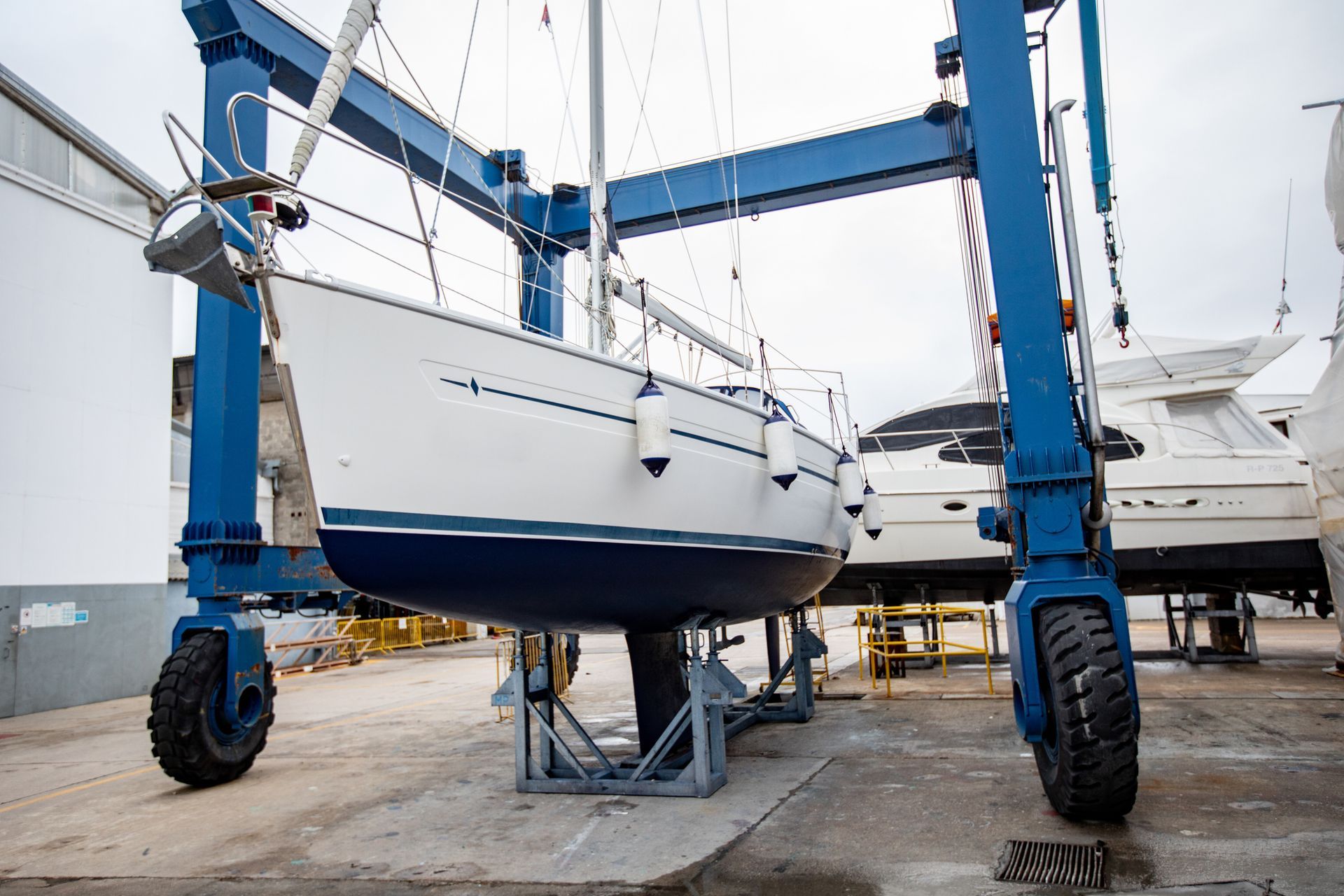
A boat lift sling is essentially a set of straps - usually made from nylon or polyester - that hang beneath the hull of your boat and suspend it out of the water. Think of it like a hammock for your vessel. The lift force is distributed across the straps, which cradle the underside of the hull without making contact with any rigid frame.
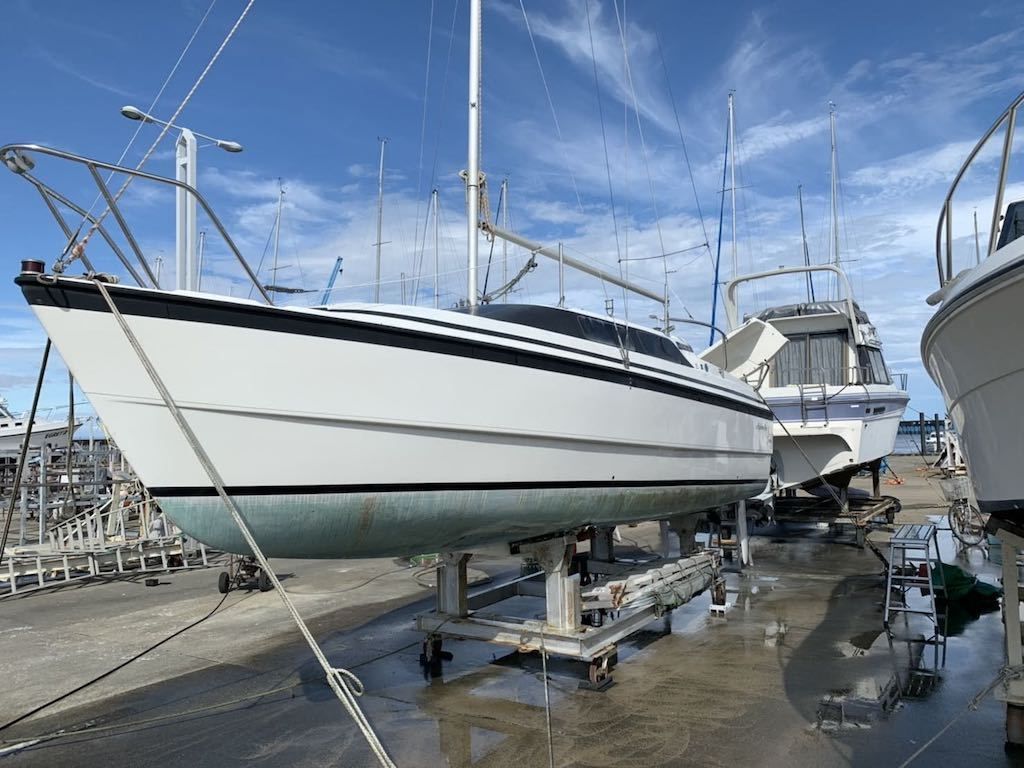
Sling-style systems are popular because they are flexible and adaptable. The straps conform naturally to different hull shapes, making them a common choice for sailboats, kayaks, and vessels with a deeper draft. Brands have built sling systems designed to handle a wide range of hull profiles without putting uneven pressure on any single point.
The main material matters here. Nylon tends to offer more stretch and shock absorption, while polyester holds its shape better under constant load. Both are durable when properly maintained, but in Florida's saltwater environment, you will want to rinse them regularly and inspect for fraying.
What Is a Cradle-Style Boat Lift?
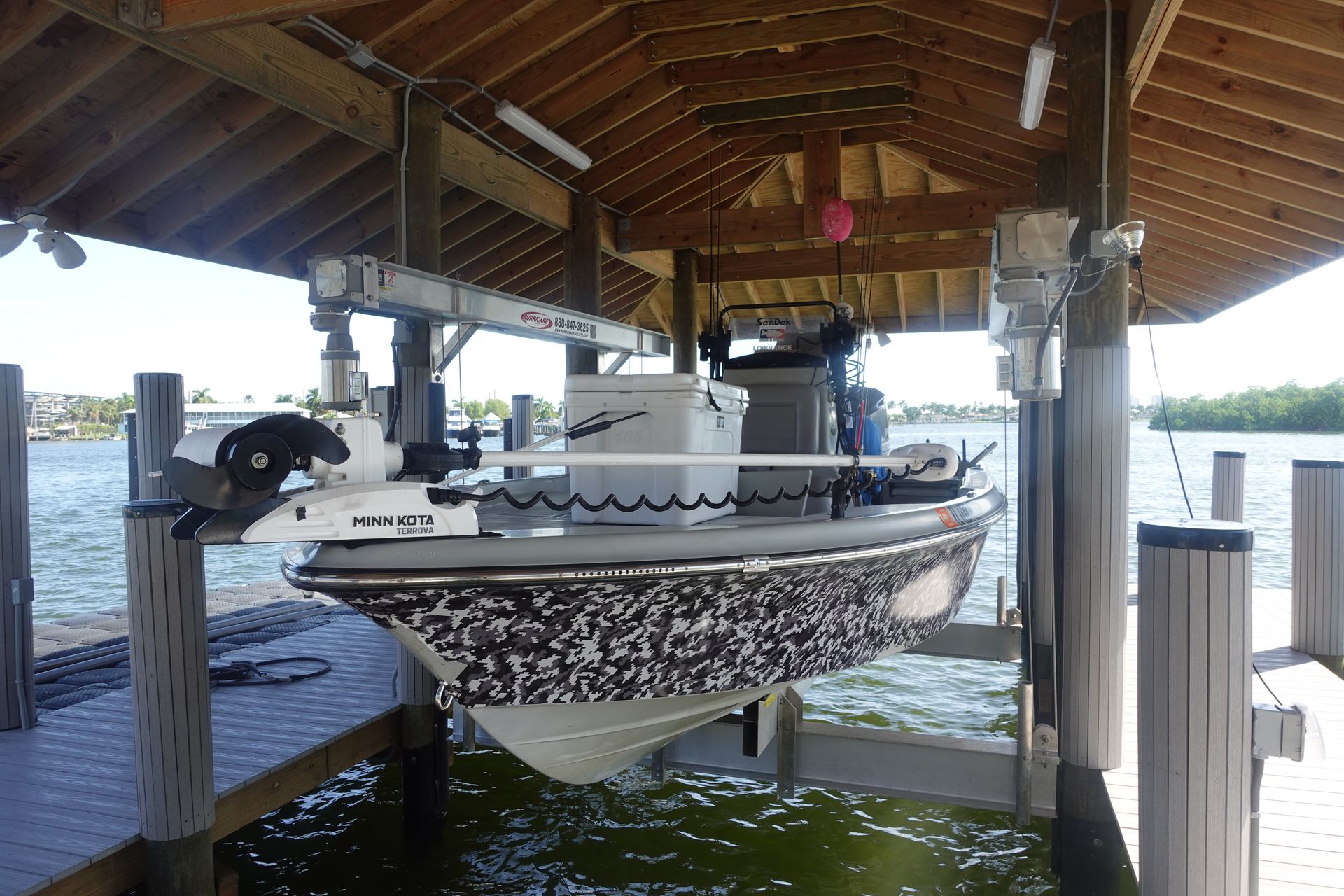
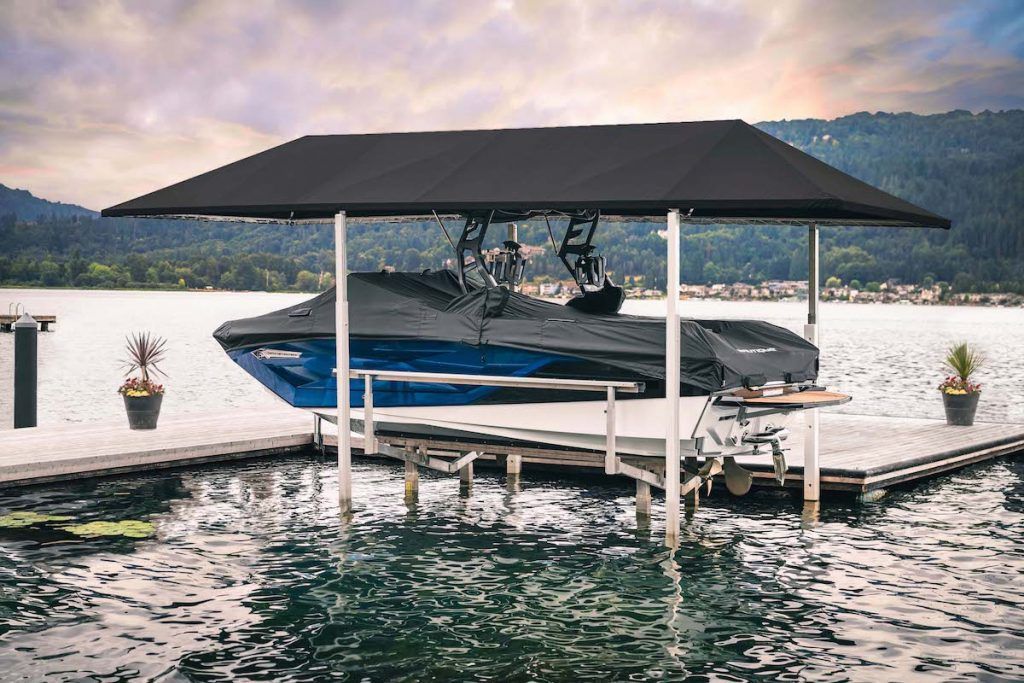
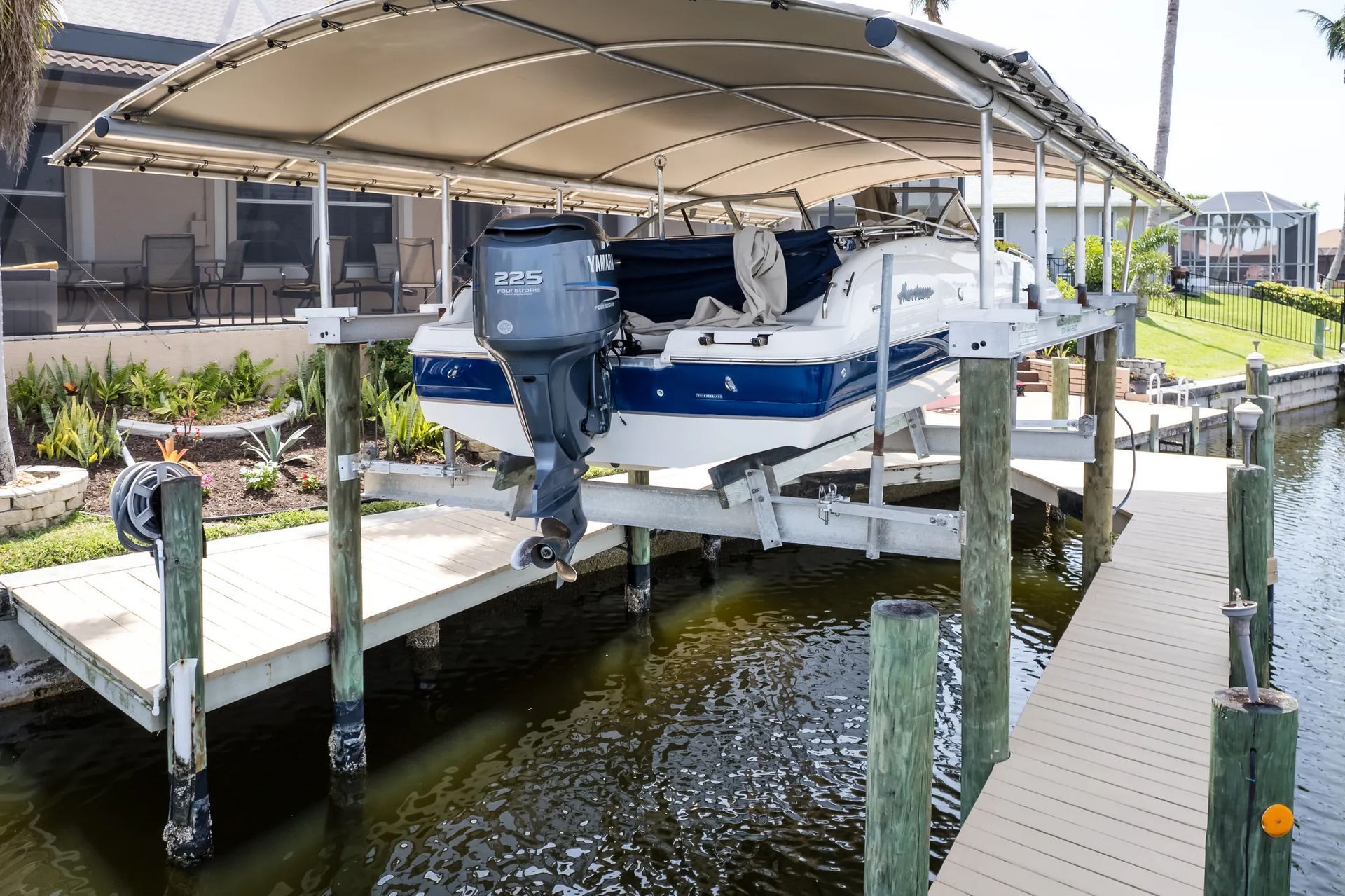
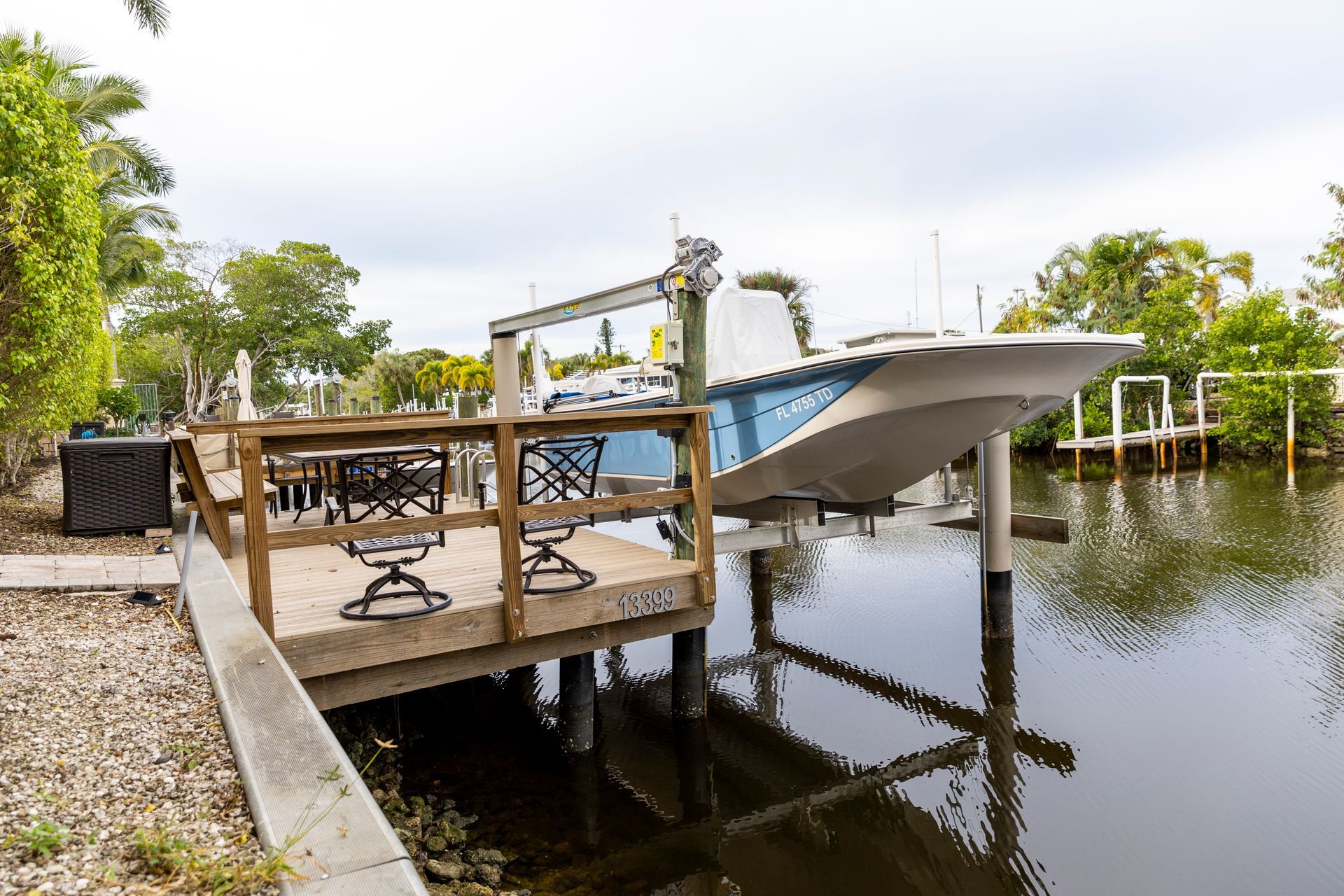
A cradle lift uses a rigid or semi-rigid frame - often with padded bunks or cushioned supports - to hold the boat from below. Instead of flexible straps, the hull rests on a fixed structure that is adjusted to match the boat's shape.
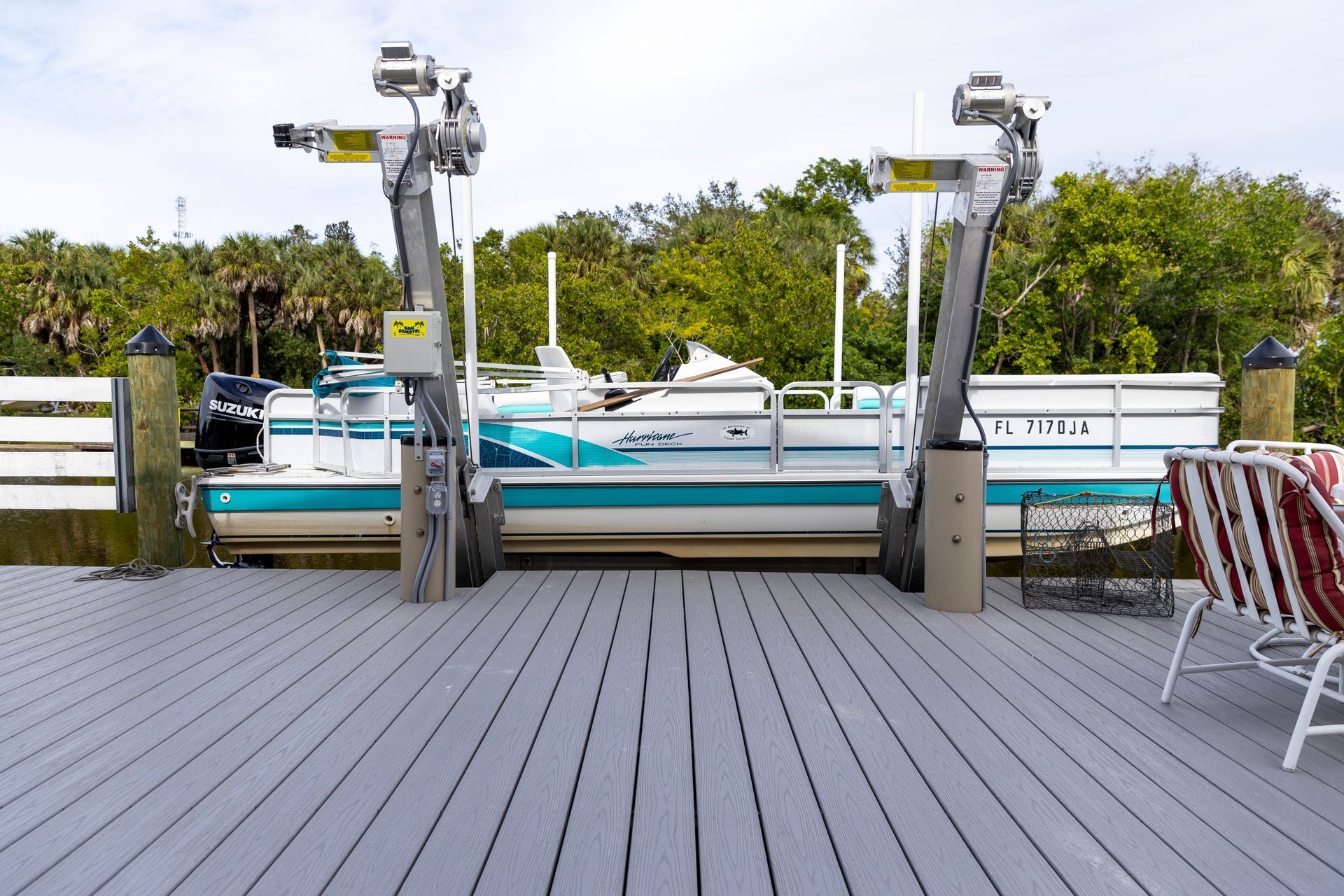
Cradle systems work exceptionally well for boats with a flat or modified-V hull, such as a pontoon boat or most center-console fishing boats common in Naples Bay and the surrounding Collier County waterways. The rigid contact points spread the load evenly, and once properly set up, the boat slides in and out consistently every time.
The trade-off is that a cradle is less forgiving if your hull shape is unusual or if you switch boats later. The supports have to be repositioned, and that takes time and adjustment.
Sling vs Cradle: Matching the System to Your Boat
This is where hull shape becomes the deciding factor.
Slings tend to work better for:
- Sailboats with a deep keel or irregular underbody
- Vessels with a sharp V-hull
- Kayaks and personal watercraft where flexible support is preferred
- Boaters who switch between different vessels on the same lift
Cradles tend to work better for:
- Pontoon boats with flat, wide underbodies
- Flat-bottom boats where rigid support keeps things stable
- Heavier vessels where consistent contact points reduce hull stress
- Situations where you want predictable, repeatable positioning at the dock
If you are not sure which category your boat falls into, a quick look at your hull from the waterline down will usually tell you a lot. Rounder, narrower hulls almost always do better with slings. Wider, flatter hulls benefit from the consistent contact of a cradle.
Does Tide Play a Role in Collier County?
Absolutely. Collier County has a mixed semidiurnal tidal pattern, which means water levels change multiple times throughout the day. This affects how your lift engages with the water during loading and unloading.
With a sling system, the straps maintain tension and adjust slightly as water levels shift, which can be a real advantage when tides are dropping while your boat is on the lift. A cradle system is more rigid, so your dock setup needs to account for the tidal range to make sure the boat clears the water properly every time.
For waterfront properties along Naples Bay, Port Royal, or Marco Island, where tidal swing can be noticeable, this is worth discussing with a marine construction professional before you commit to a lift type.
The Role of Lift Pressure and Long-Term Hull Health
One concern that comes up frequently on boating forums - including discussions on thehulltruth.com - is how prolonged pressure from lift systems affects the hull over time. The answer depends on proper setup and regular inspection.
A sling distributes pressure through the textile straps across a broad surface area, which generally reduces localized stress. A cradle, when properly padded and positioned, can do the same. Problems arise when the system is not matched to the hull or when the supports shift over time without being corrected.
Whether you choose a sling or a cradle, think of it like an elevator for your boat. It needs to be calibrated for the load it is carrying. Skipping maintenance on either system is where hull damage begins.
Choosing Between a Boat Lift Sling and Cradle
Choosing between a boat lift sling and a cradle comes down to knowing your hull. Slings offer flexibility for deeper or irregular hulls like sailboats, while cradles provide stable, consistent support for flat-bottomed or pontoon-style boats. Tidal conditions in Collier County add another layer to the decision. If you are planning a new dock installation or upgrading your current setup, reach out to the team at Kalvin and Calvin Marine Construction at (239) 280-6054 to talk through what system fits your waterfront property best.