Seawall Cap Repair: How to Stop Cracks From Spreading
If you've noticed cracking along the top edge of your seawall, you might be dreading the worst. A full seawall replacement sounds expensive, disruptive, and frankly overwhelming. But here's the good news: in many cases, the damage is limited to the cap, and a targeted seawall cap repair can restore your waterfront without tearing everything apart.
This is exactly the kind of situation where knowing what you're dealing with makes all the difference.
What Is a Seawall Cap, and Why Does It Matter?
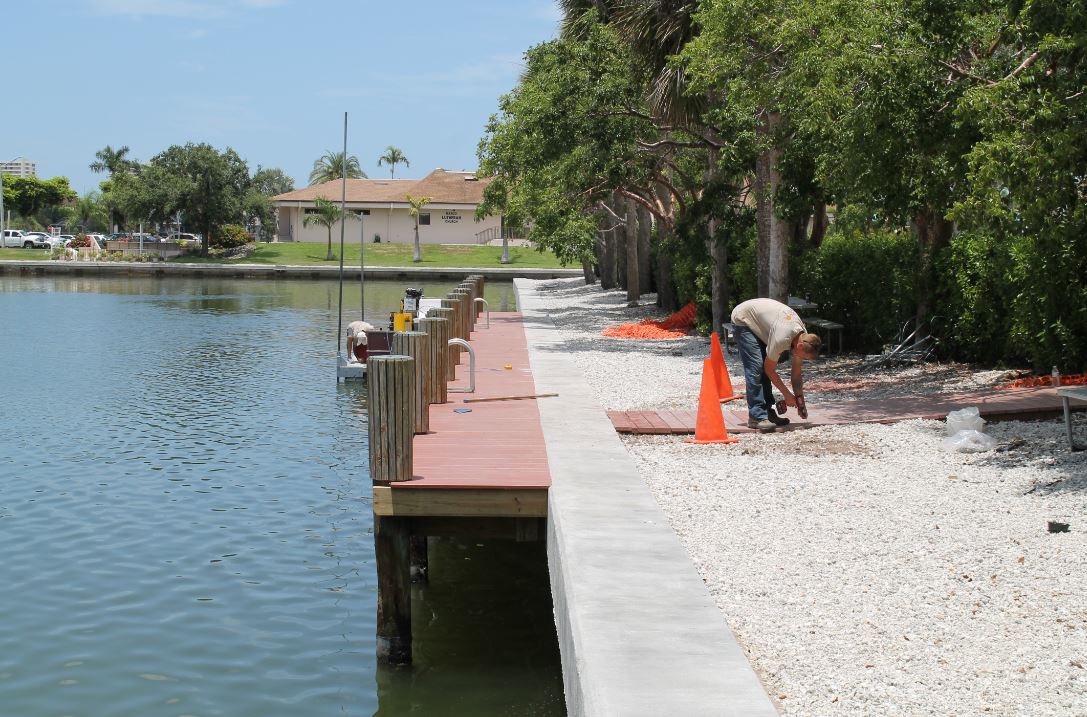
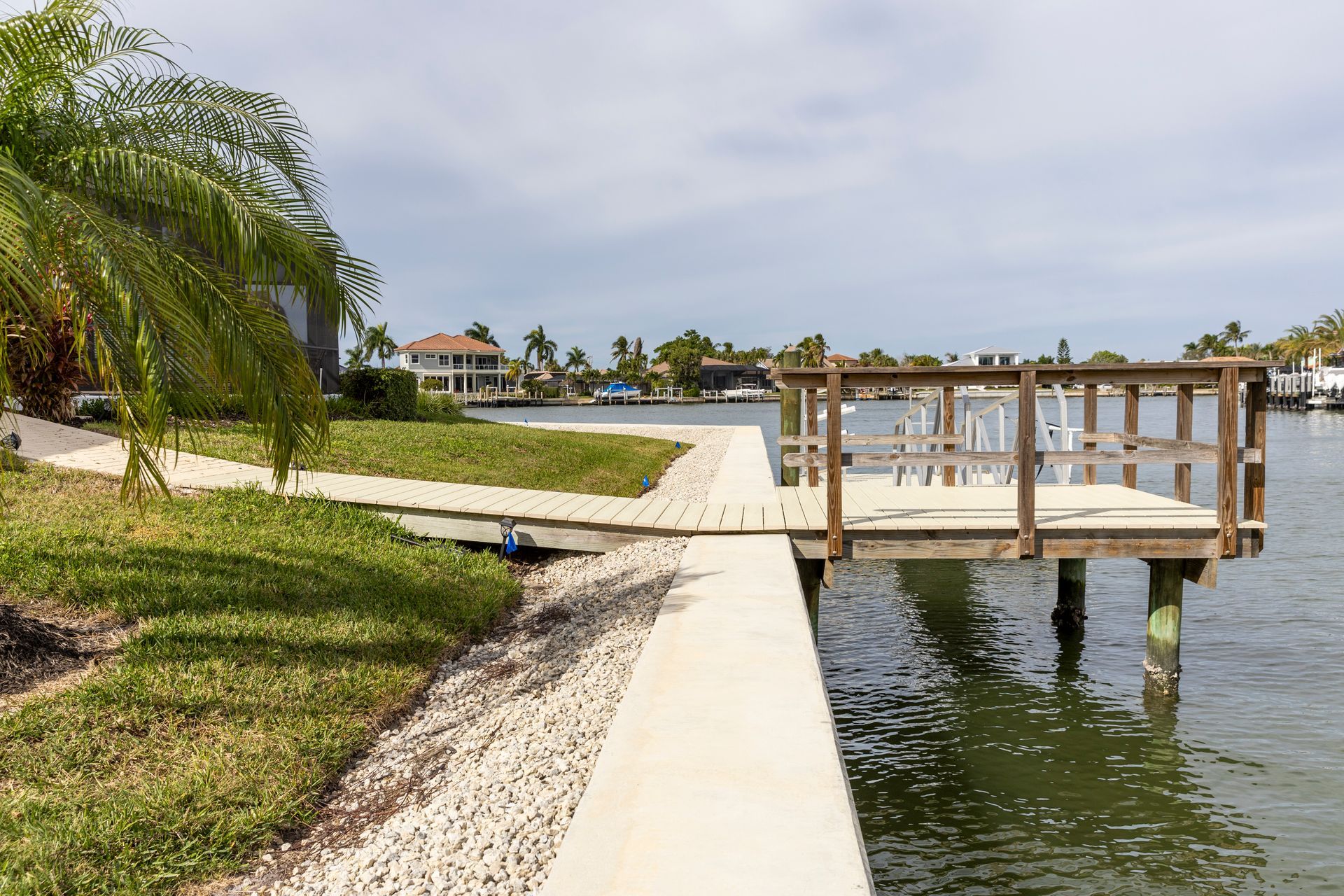
The seawall cap is the concrete beam that runs along the top of your seawall. It's the part you walk on, tie lines to, and likely take for granted. But it does more than just look tidy.
The cap holds the top of the seawall panels together, distributes load, and protects the structure below from water intrusion. When it deteriorates, the entire seawall becomes vulnerable - even if the panels beneath are still in solid shape.
In Southwest Florida's coastal environment, seawall caps take a beating. Salt air, sun exposure, wave action, and the occasional boat wake all accelerate wear. Collier County homeowners along Naples Bay, Port Royal, and Marco Island deal with these conditions year-round.
Why Seawall Caps Fail in Coastal Environments
Concrete is tough, but it has weaknesses. When water seeps into small cracks and then heats up in the Florida sun, it expands. Over time, this process widens cracks and weakens the structure from the inside out.
Rebar corrosion is another major culprit. Most seawall caps have steel reinforcement embedded in the concrete. In a saltwater environment, that rebar rusts, expands, and pushes the surrounding concrete apart - a process often called spalling. You'll recognize it by the chunks or flakes falling away from the surface.
Poor original construction or age-related wear can also contribute. Seawalls built decades ago may not have used the same materials or methods that hold up well today. If your property is near Vanderbilt Beach, Park Shore, or the Moorings, there's a good chance your seawall has some years on it.
How Do You Know If You Need Seawall Cap Repair?
Not every crack is an emergency, but none of them should be ignored either. The following signs suggest it's time to have a professional take a closer look.
- Visible cracking or spalling - Horizontal or vertical cracks, especially ones that are widening, point to structural stress. Chunks of concrete falling away are a more advanced warning sign.
- Rust staining - Brown or orange streaks running down the face of the seawall often mean rebar underneath is corroding. This is more serious than surface discoloration.
- Settlement or shifting - If the cap has begun to tilt, sink, or pull away from the seawall panels, the structural connection is compromised.
- Water pooling near the wall - This can indicate voids or erosion beneath the cap that need addressing before they cause bigger problems.
A
professional seawall inspection is the most reliable way to understand what you're actually dealing with. Guessing from the surface often leads to either unnecessary panic or dangerous delay.
Seawall Cap Repair vs. Full Seawall Replacement
This is the question most property owners ask first, and it's a fair one. The answer depends on where the damage is and how far it has progressed.
If the panels below the cap are structurally sound - no major leaning, no significant loss of material, no serious erosion on the land side - then repairing or replacing just the cap is often the right call. It's faster, less invasive, and significantly more affordable than a full rebuild.
Full replacement makes more sense when the panels themselves are cracked or failing, when there's extensive undermining of the soil behind the wall, or when the entire structure has reached the end of its useful life. An experienced marine contractor will assess the situation honestly and tell you which path makes sense.
At
Kalvin & Calvin Marine Construction, the team has been making these calls for over 40 years across Collier County. They're not in the business of recommending more work than a property actually needs.
What Does Seawall Cap Repair Actually Involve?
The process varies depending on the extent of the damage, but here's a general overview of how a professional repair typically unfolds.
First, the damaged concrete is removed. This usually means breaking out the cracked or spalled sections down to solid material. Any corroded rebar is cut out and replaced with new steel or, in many cases, fiberglass rebar that won't rust in saltwater conditions.
Next, the area is formed and new concrete is poured or a pourable grout is used to fill voids and rebuild the cap profile. The repair is cured properly and finished to match the surrounding surface as closely as possible.
Depending on the scope, the work might be completed in a single day or may require a brief return visit for finishing. Either way, it's far less disruptive than a seawall reconstruction project that can take weeks and requires heavy equipment on your property.
Can You Patch a Seawall Cap Yourself?
It's tempting to grab a bag of concrete patch from the hardware store and fill in that crack yourself. And to be fair, very minor surface cracks on an otherwise healthy cap might tolerate a surface sealant as a short-term measure.
But here's the reality: DIY patches rarely address the root cause. If the rebar underneath is corroding, patching the surface buys you a few months at best. The rust will keep spreading, the concrete will keep pushing apart, and you'll be back to square one - or worse.
In a coastal environment like Collier County, half-measures tend to fail faster than expected. The salt air doesn't give you much grace time. Professional repair addresses the structure, not just the appearance.
How Seawall Cap Repair Protects Your Dock Investment
Your seawall and dock function as a system. A compromised seawall cap affects the stability of anything attached to or supported by the wall - including dock hardware, pilings, and the dock structure itself.
When the cap cracks or shifts, it can put uneven stress on dock connections. Over time, that leads to premature wear on dock components, fasteners, and framing. What starts as a seawall cap problem can become a dock repair problem if left unaddressed.
For property owners in areas like Keewaydin Island, Everglades City, or along Naples Bay, where dock use is constant and conditions are demanding, staying ahead of seawall cap issues is part of protecting your entire waterfront investment.
If you're also evaluating your dock at the same time, learning more about
dock building and repair services can help you plan for everything in one coordinated effort rather than tackling issues piecemeal.
The Role of Seawall Inspections in Catching Problems Early
Most seawall failures don't happen overnight. They develop gradually, and the early stages are often invisible without a trained eye. That's why routine inspections matter.
A professional seawall inspection looks at both what's visible and what's hidden - including the condition of the panels below the waterline, signs of soil erosion or void formation behind the wall, and the overall structural integrity of the cap and connections.
Catching a problem at the cap stage, before it affects the panels or the soil behind the wall, is the difference between a manageable repair and a costly reconstruction. For property owners who want to stay ahead of issues,
professional seawall inspection services provide that early insight.
What Makes Collier County Seawalls Different
Collier County's waterfront environment has its own set of challenges that contractors from outside the area often underestimate. The combination of saltwater exposure, high temperatures, seasonal storm activity, and the specific soil conditions along Southwest Florida's coast creates wear patterns that require local knowledge to address correctly.
Properties along Port Royal or the Marco Island canals, for example, experience tidal fluctuations and boat traffic that put different stresses on seawalls than a property on a quieter inland waterway. Material choices, repair techniques, and long-term maintenance strategies need to reflect those realities.
This is part of why the Kalvin & Calvin team - having grown up in this community and worked along these same waterfronts since the mid-1970s - brings a perspective that purely technical training can't replicate.
Frequently Asked Questions About Seawall Cap Repair
How long does a seawall cap repair last?
A professionally completed repair using quality materials can last many years, especially when the underlying rebar is addressed and the new concrete is properly cured. The longevity depends on the extent of the original damage and how well the repair was executed.
How much does seawall cap repair cost compared to full replacement?
Cap repair is significantly less expensive than a full seawall replacement. The exact cost depends on the length of the cap, the extent of damage, and access conditions. Getting a professional assessment is the best way to understand what's actually needed and what it will cost.
Will my dock be accessible during the repair?
In most cases, yes. Seawall cap repairs are typically completed from the land side and don't require taking your dock out of service for extended periods. Your contractor can walk you through what to expect for your specific situation.
Is seawall cap repair covered by homeowners insurance?
Coverage varies by policy. Damage caused by sudden events may be covered differently than gradual deterioration. It's worth reviewing your policy and speaking with your insurance provider after getting a professional assessment of the damage.
How do I know if my seawall needs repair or full replacement?
A qualified seawall inspection is the most reliable answer to that question. Surface cracking alone doesn't always mean full replacement is needed, but it does mean the situation deserves a professional look.
Address Seawall Cap Damage Before It Spreads
Seawall cap damage doesn't have to mean starting from scratch. In many cases, a targeted repair is all that's needed to stabilize your seawall and protect your dock. The key is acting before the damage progresses beyond what a repair can fix. If you're seeing cracks, rust stains, or shifting along your seawall cap, reach out to Kalvin & Calvin Marine Construction at (239) 280-6054 or explore your options through our residential seawall repair services to get an honest assessment from a team that knows these waters.