Boat Slip vs Dock: Which Costs You Less
If you've ever searched for a place to keep your boat, you've probably seen both terms used almost interchangeably. A marina advertises available slips. A neighbor mentions their dock. A real estate listing highlights waterfront access with both. So what's the actual difference, and why does it matter to your budget?
It matters more than most people realize. Understanding the distinction between a boat slip and a dock can affect what you pay, what you own, and what waterfront investment makes sense for your property.
What Is a Dock?
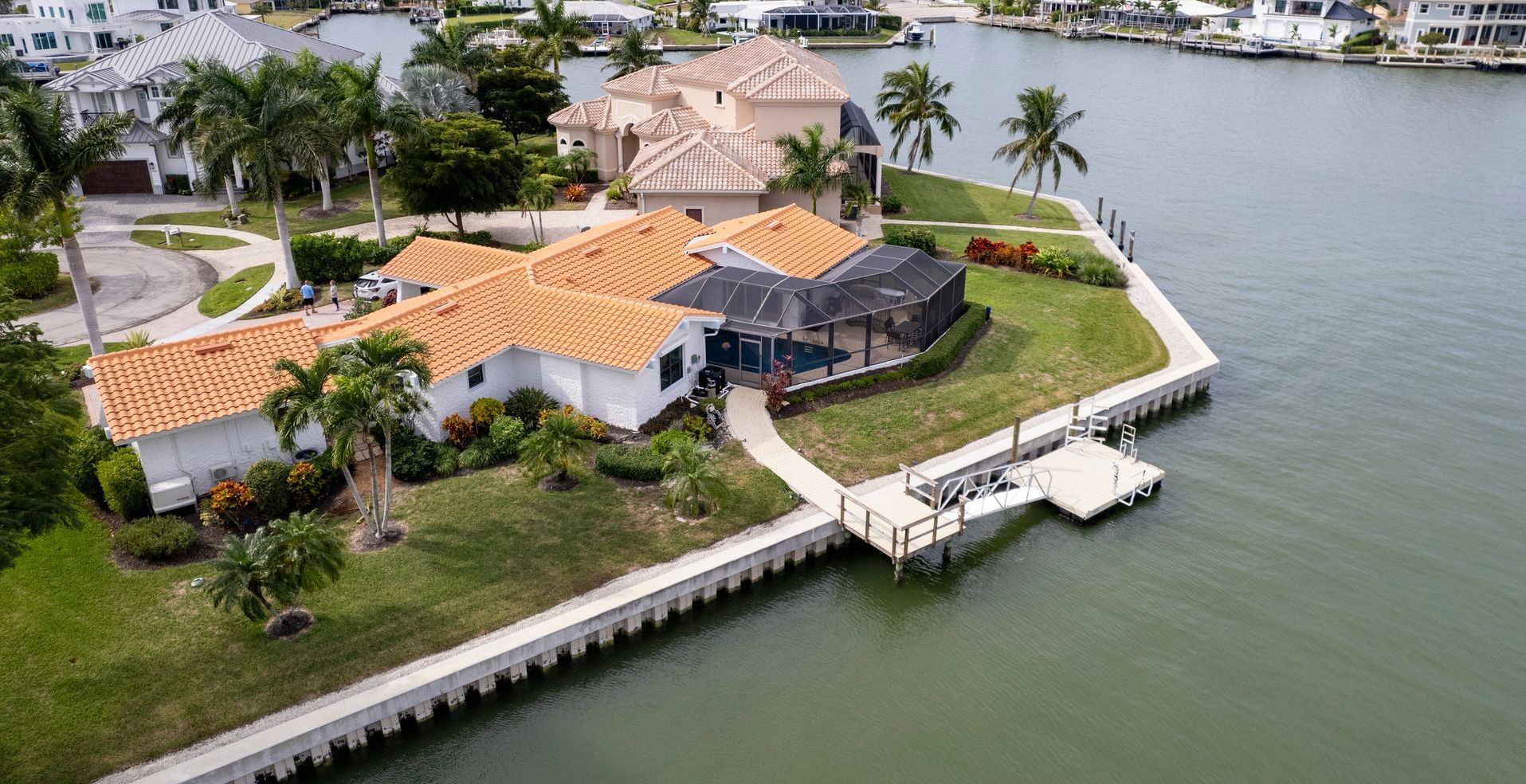
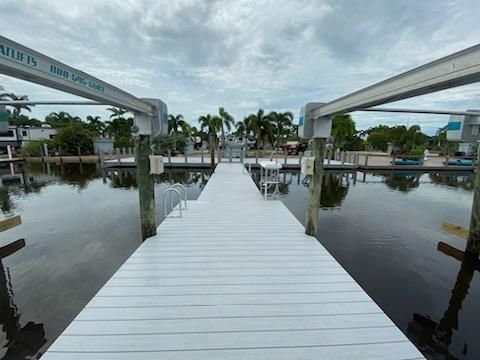
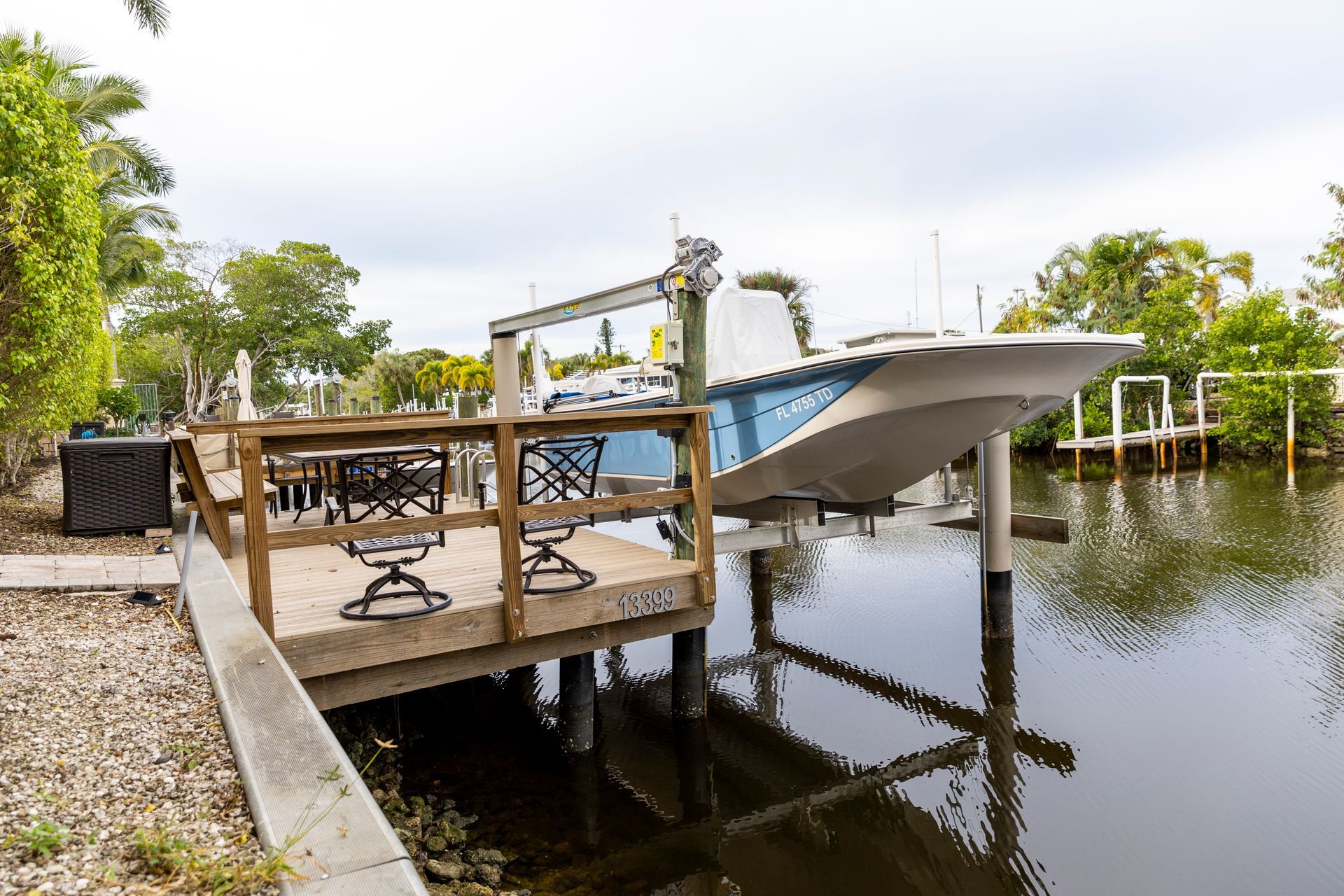
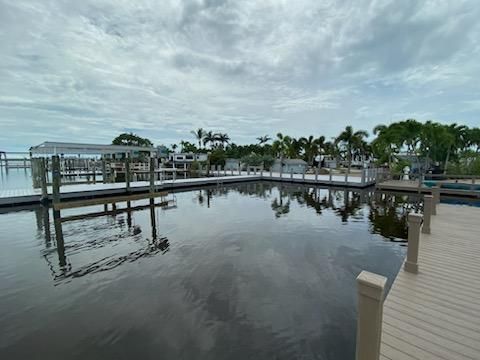
A dock is a fixed structure extending from the shoreline out over the water. It's a platform, sometimes made from aluminum, composite decking, or treated wood, that lets you walk from land to water. You can tie a boat alongside it, store gear on it, or simply use it as a place to enjoy the view.
The dock itself is a structure and an asset. If you own waterfront property in Collier County, building a dock means adding something permanent and functional to your land. It requires permits, professional construction, and ongoing maintenance, but it also adds long-term value.
Think of a dock like a driveway. It gives you access. What happens at the end of it - where you actually park your watercraft - is a separate matter.
What Is a Boat Slip?
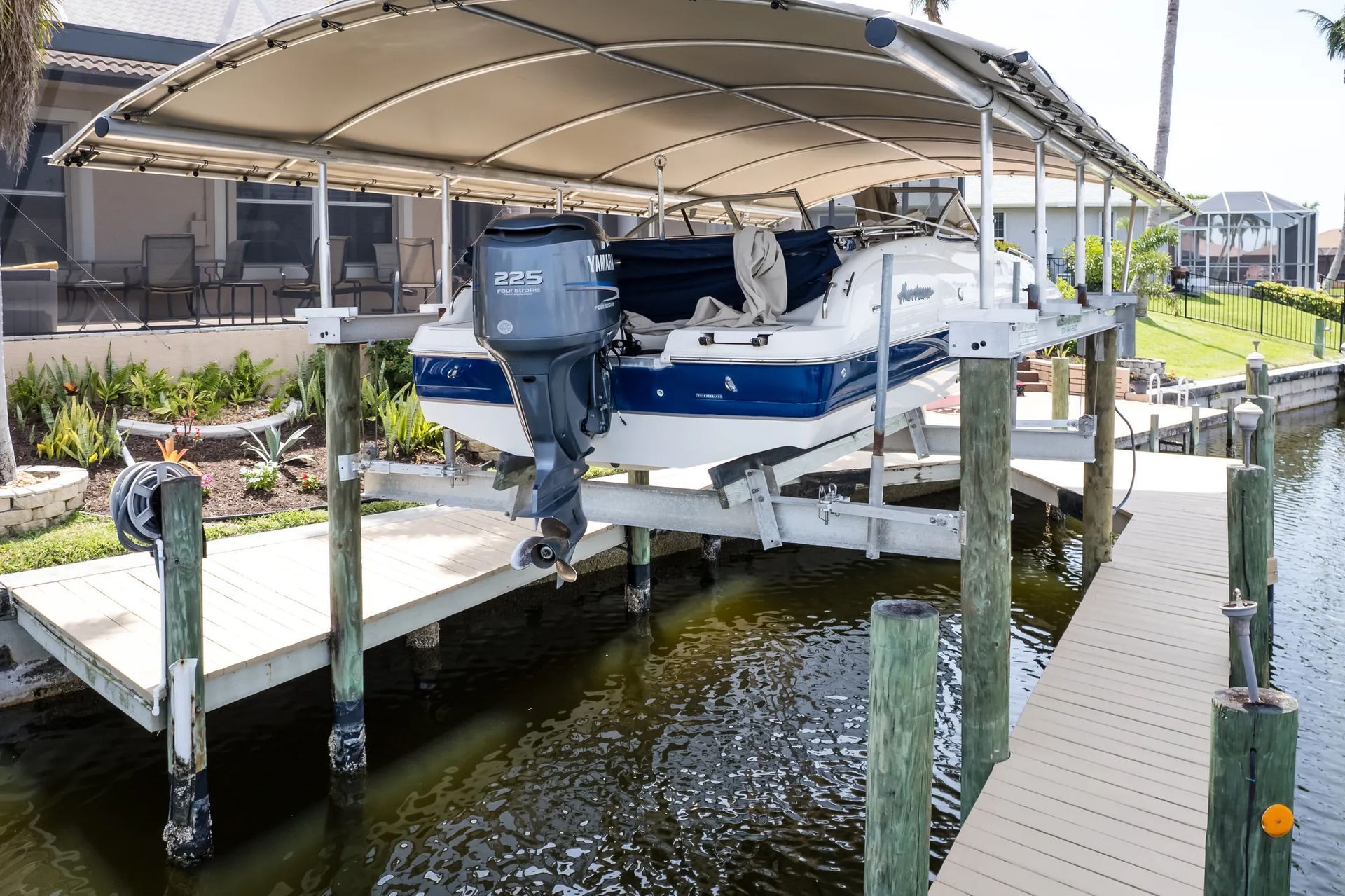
A boat slip is a parking space for your boat. It's a designated area of water - usually between two finger piers or pilings - where a single vessel is moored. Slips can exist along a dock, within a marina, or as part of a shared waterfront facility.
Here's the key point: a slip is a space, not a structure. You can rent a slip at a marina without owning anything physical. You can also have a slip built into your private dock, which then becomes part of your property.
At many marinas, boaters pay monthly or annual fees to rent a slip. That ongoing cost adds up fast, especially for larger watercraft that require a wider, deeper mooring space.
Why the Distinction Affects Your Budget
This is where the real money conversation starts.
When you rent a slip, you're paying for access to a space you don't own. Month after month, that cost continues regardless of how often you use your boat. Mooring fees, liveaboard fees, and marina amenity charges can stack up significantly over time.
When you own a dock with a built-in slip, you're making a one-time investment - plus maintenance. Over several years, ownership often comes out ahead financially. You also have control over the space, can modify it to fit your vessel, and don't have to worry about a marina raising its rates or a slip becoming unavailable during busy boating seasons.
For homeowners in waterfront communities, having a private dock with your own slip isn't just convenient. It's a smart financial move that adds real value to the property.
Renting vs. Owning: A Quick Cost Perspective
Renting a slip at a marina can cost anywhere from a few hundred to over a thousand dollars per month depending on the size of your watercraft and the facilities offered. That's a recurring expense that builds no equity.
Building a dock and incorporating a slip into your property requires an upfront investment - permitting, materials like aluminum or composite, and professional construction. But that cost is a one-time expenditure tied to a lasting asset. The dock becomes part of your property's value.
Over five to ten years, the math often strongly favors ownership, especially when you factor in the freedom and flexibility that come with having your own dedicated space on the water.
How Dock Design Affects Slip Functionality
Not all docks are built to accommodate a slip efficiently. A simple straight dock alongside your seawall may work fine for a smaller boat, but a larger vessel needs more room for safe mooring. That's where dock design becomes important.
An L-shaped or T-shaped dock, for example, creates a natural slip space where a boat can be moored with protection on multiple sides. Finger piers can be added to separate multiple boats or provide easier boarding access.
Getting the design right from the start saves money over time. A poorly designed dock may need modification later - adding cost and disruption. Working with experienced dock builders who understand local water conditions, tidal patterns, and vessel needs is critical to getting it right the first time.
What About Aluminum vs. Other Materials?
Aluminum docks have become increasingly popular in Southwest Florida's saltwater environment because they resist corrosion and require less maintenance than wood. While the upfront cost can be higher compared to some treated wood options, the long-term savings on repairs and replacements make aluminum a practical choice for many property owners.
The material you choose for your dock directly affects your total cost of ownership, so it's worth having an honest conversation about your budget, your boat's weight and size, and how you plan to use the structure year-round.
Slips Inside Marinas vs. Private Docks
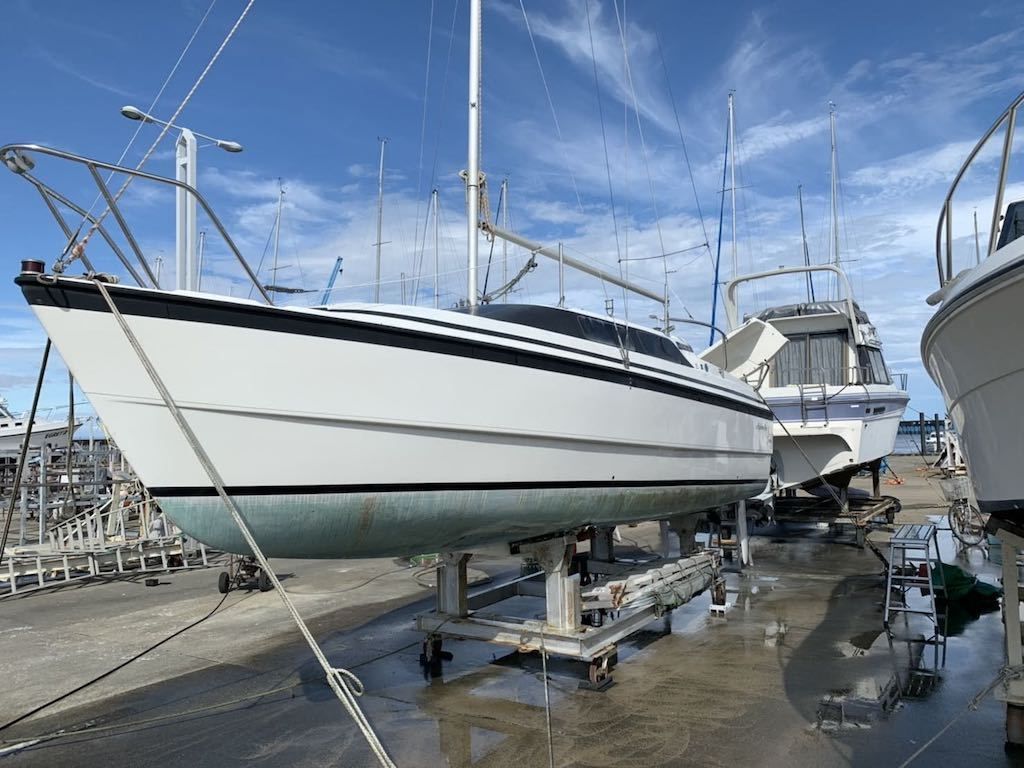
Marinas offer convenience - fuel, water hookups, security, and sometimes boat storage or repair services. For boaters who don't own waterfront property, renting a slip at a marina is often the only option. It works, and for some people, it's the right choice.
But if you do own waterfront property in Collier County, you have options that go beyond monthly renting. A professionally built dock with a properly designed slip gives you something a marina cannot: ownership, privacy, and long-term savings.
It's worth noting that some private docks are also approved for limited commercial or community use, particularly in areas near lakes, canals, or shared waterfront access points. In those cases, the line between a private dock and a mini marina can blur, but the core principle stays the same - a slip is a space, a dock is a structure, and owning beats renting over time.
Boat Slip vs Dock: Which Costs You Less
Understanding the difference between a boat slip and a dock puts you in a stronger financial position as a waterfront property owner. The slip is your boat's parking space. The dock is the structure that makes that space possible. Owning your own dock with a built-in slip often beats paying ongoing marina fees year after year. If you're ready to stop renting and start owning, explore your options with Kalvin & Calvin's dock building services or call (239) 280-6054 to talk through what makes sense for your waterfront.