How Long Does A Seawall Actually Last
If you own waterfront property in Collier County, Florida, your seawall is probably one of the most important structures you never think about. It sits there quietly, holding back water, resisting erosion, and protecting your land from the kind of pressure that would otherwise eat away at your property over time.
But how long does a seawall actually last? That is a question worth taking seriously, especially in South Florida where the marine environment is tough on just about everything.
The Short Answer: It Depends on the Material
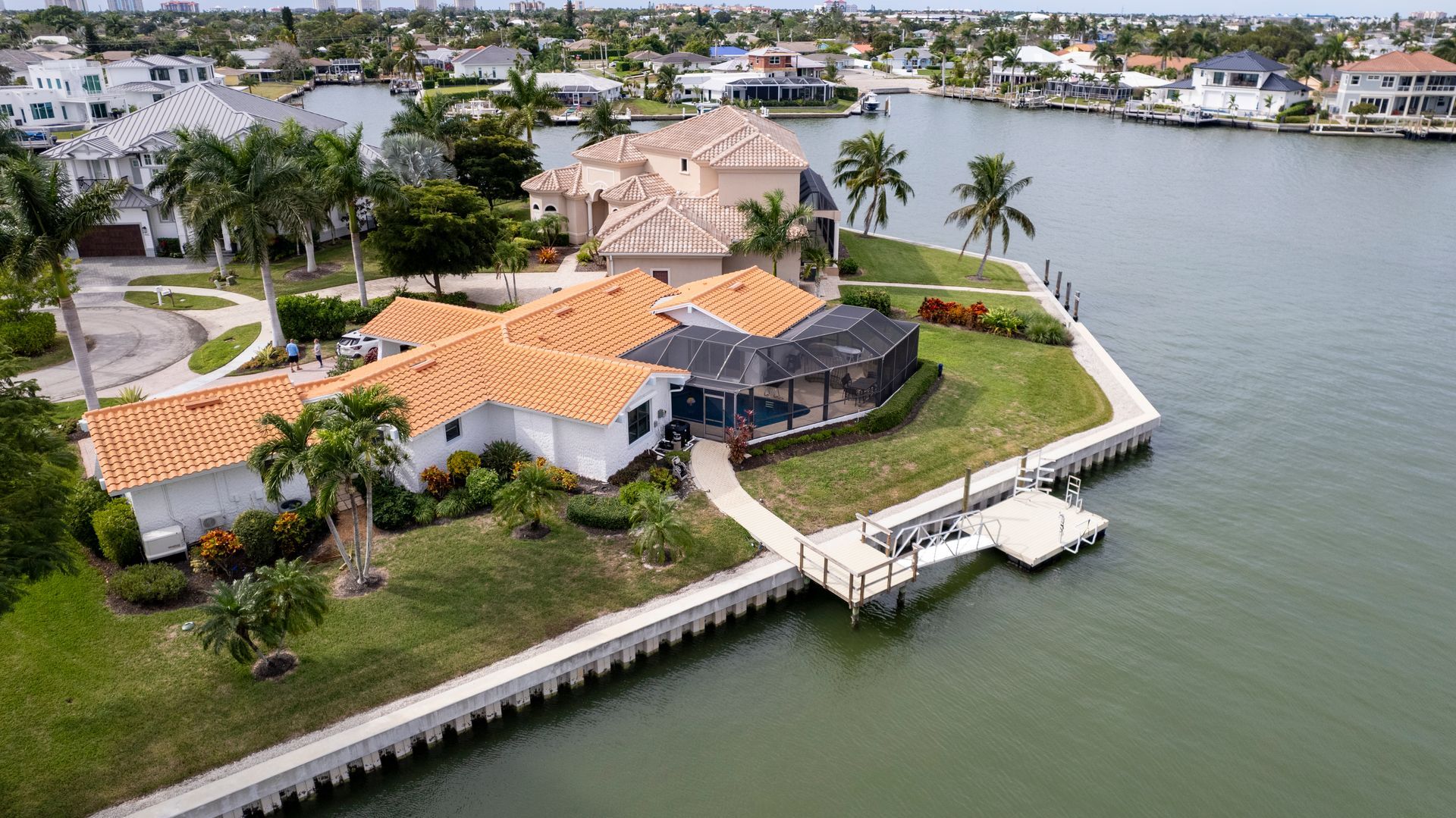
Most seawalls have a general life expectancy of 25 to 50 years. But that range is wide for a reason. The material your seawall is made from plays a huge role in how long it holds up.
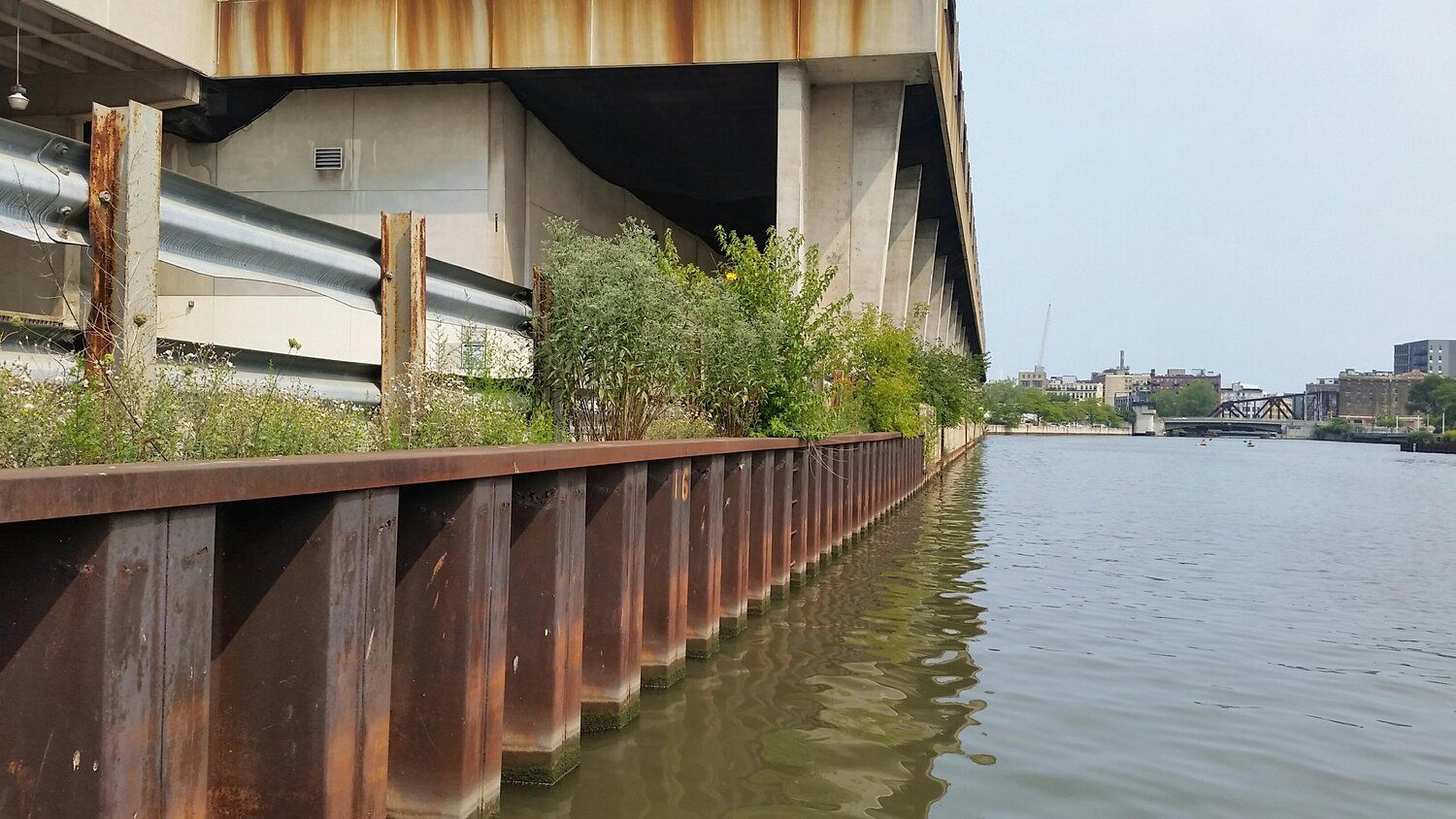
- Concrete seawalls are the most common in Florida. Reinforced concrete walls, when properly built and maintained, can last 30 to 50 years. The challenge is that concrete is vulnerable to saltwater corrosion over time, especially when the rebar inside begins to rust. Once water penetrates the concrete and reaches the steel rebar, oxidation causes it to expand, which cracks the wall from the inside out.
- Polyvinyl chloride (PVC) vinyl seawalls have become increasingly popular because they resist corrosion from seawater far better than concrete or wood. A well-installed vinyl seawall can last 50 years or more, and many manufacturers back their panels with long warranties.
- Wood seawalls are the least durable option in a marine environment. Exposure to water, marine organisms, and rot typically limits a wood wall to 20 to 30 years at best, often less in saltwater conditions.
What Shortens a Seawall's Lifespan
Even a well-built seawall can fail ahead of schedule. The environment in Collier County is beautiful, but it is hard on construction materials. Here are the most common factors that accelerate deterioration.
Saltwater Corrosion
Seawater is relentless. It works its way into every crack and joint, and when it reaches the steel or rebar inside a reinforced concrete seawall, corrosion begins. Over time, this compromises the structural integrity of the wall at its core, not just on the surface.
Soil Erosion and Hydrostatic Pressure
The soil behind a seawall is always exerting pressure against it. When water saturates that soil after heavy rain or storm surges, the pressure increases dramatically. Poor drainage behind the wall, including blocked weep holes or missing storm drain access points, makes this worse. Erosion of the backfill soil can also undermine the wall's foundation, causing it to lean, crack, or eventually fail.
Storm Damage
Florida storms are no small thing. High waves, storm surge, and debris impact can stress a seawall beyond its design limits, especially older walls that were not built to modern construction standards.
Lack of Maintenance
This one is avoidable. Many seawalls fail prematurely simply because small problems were not caught early. A hairline crack that gets a sealant application in year five might not need a full repair until year twenty. The same crack ignored for a decade can lead to structural failure and a much larger investment to fix.
The Role of Earth Anchors and Deadmen Systems
A seawall is not just a wall. Most modern seawalls rely on an earth anchor system, sometimes called a deadman and tieback rod system, to hold the wall upright against the lateral pressure of the soil and water behind it. These anchor components are buried deep in the ground and connected to the wall with steel rods.
Over time, those rods can corrode or loosen, especially in Florida's aggressive marine soil conditions. When the anchor system weakens, the wall begins to lean or bow outward. This is a warning sign that the wall is under stress it can no longer handle on its own.
How Inspection Extends Seawall Life
One of the smartest things a waterfront property owner can do is schedule regular seawall inspections. A qualified marine construction professional knows what to look for: cracks in the concrete, separation at the cap, signs of soil loss behind the wall, damaged or missing riprap at the base, and evidence of anchor rod failure.
Catching problems early is not just about saving money, though it does that too. It is about keeping a small issue from becoming a safety hazard or a complete replacement job.
In Collier County, conditions vary from Naples Bay to Marco Island to Everglades City. The tidal patterns, water salinity, and soil composition all differ, and those differences affect how a seawall ages. A local contractor who knows this coastline is better positioned to assess what your wall actually needs.
What You Can Do to Maximize Longevity
You do not have to be passive about seawall maintenance. A few proactive steps can meaningfully extend the life of your wall.
- Keep weep holes clear so hydrostatic pressure does not build up behind the wall.
- Apply sealant to cracks before water infiltration makes them worse.
- Monitor the ground level behind the wall for signs of soil settlement or erosion.
- Consider adding or replenishing riprap at the base to reduce wave energy hitting the wall directly.
- Schedule a professional inspection every few years, or after any significant storm event.
These steps are not complicated, but they make a real difference over the decades.
How to Help Your Seawall Last Longer
A seawall built well and maintained consistently can protect your waterfront property for 30 to 50 years or longer. But it does not happen by accident. Material choice, installation quality, and ongoing care all determine whether your wall reaches its full potential or fails years too soon.
If you are unsure about the condition of your current wall, the best next step is a professional assessment. Reach out to
Kalvin & Calvin Marine Construction at
(239) 280-6054 to
schedule a seawall inspection before a small problem becomes a costly one.