How Much Does a Floating Dock Cost?
So you've been thinking about adding a floating dock to your waterfront property. Maybe you have a boat sitting in the water, a kayak that needs an easy launch point, or you simply want better access to the water behind your home. Whatever the reason, the first question is almost always the same: how much does a floating dock cost?
The honest answer is that it depends on more factors than most people expect. Let's break it all down so you can make a smart decision before spending a single dollar.
The Real Price Range for a Floating Dock
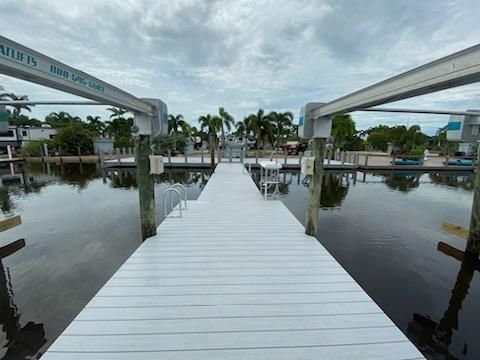
Most homeowners end up spending somewhere between $3,000 and $30,000 for a floating dock, depending on size, materials, and how much customization is involved. That's a wide range, and for good reason.
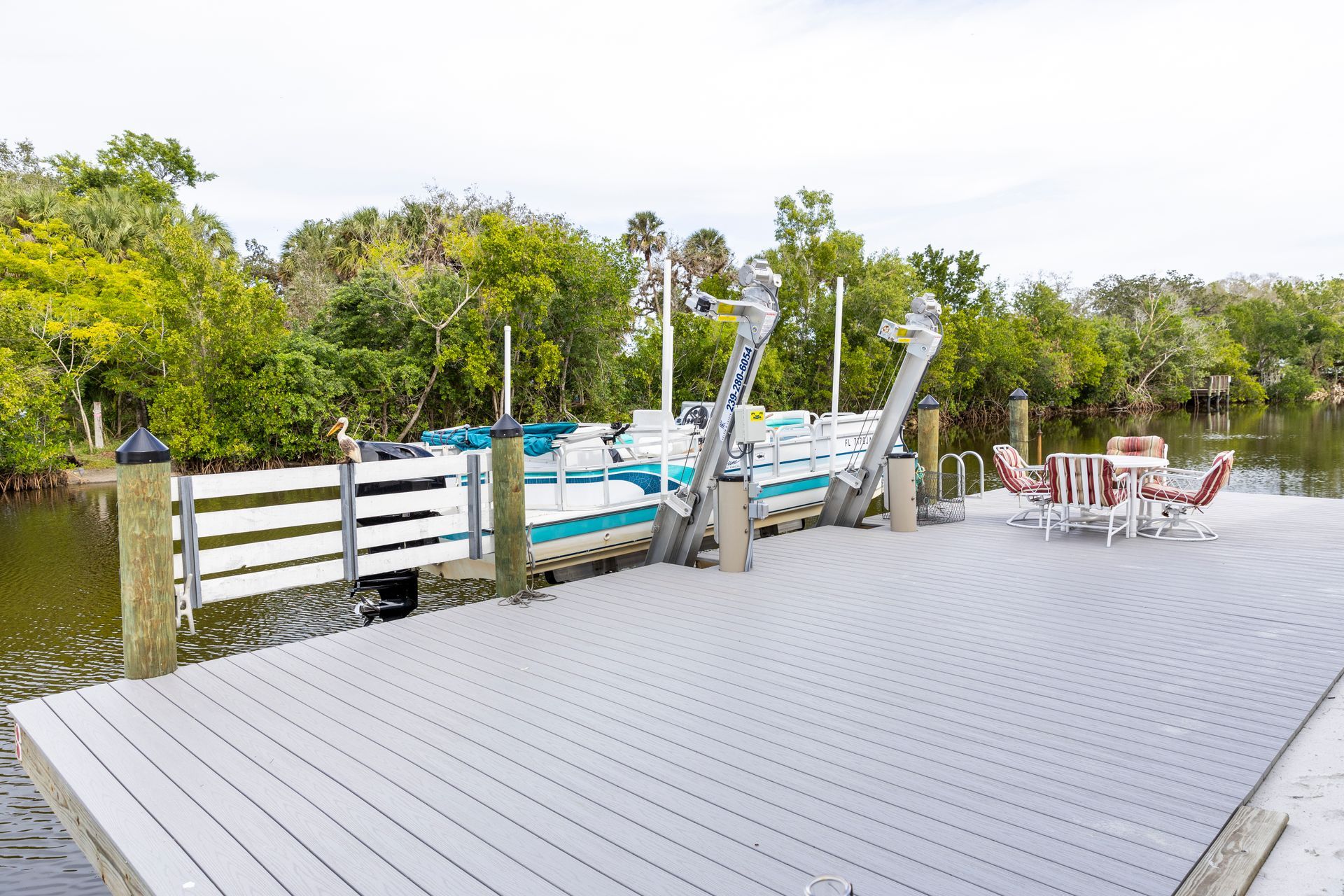
A basic modular design built with polyethylene sections, similar to what brands like EZ Dock, PolyDock, or Tommy Docks sell, sits on the lower end. These systems are designed to float on a pond, lake, river, or calm bay and can often be assembled without professional help. They're popular with kayak users or lighter recreational boating setups.
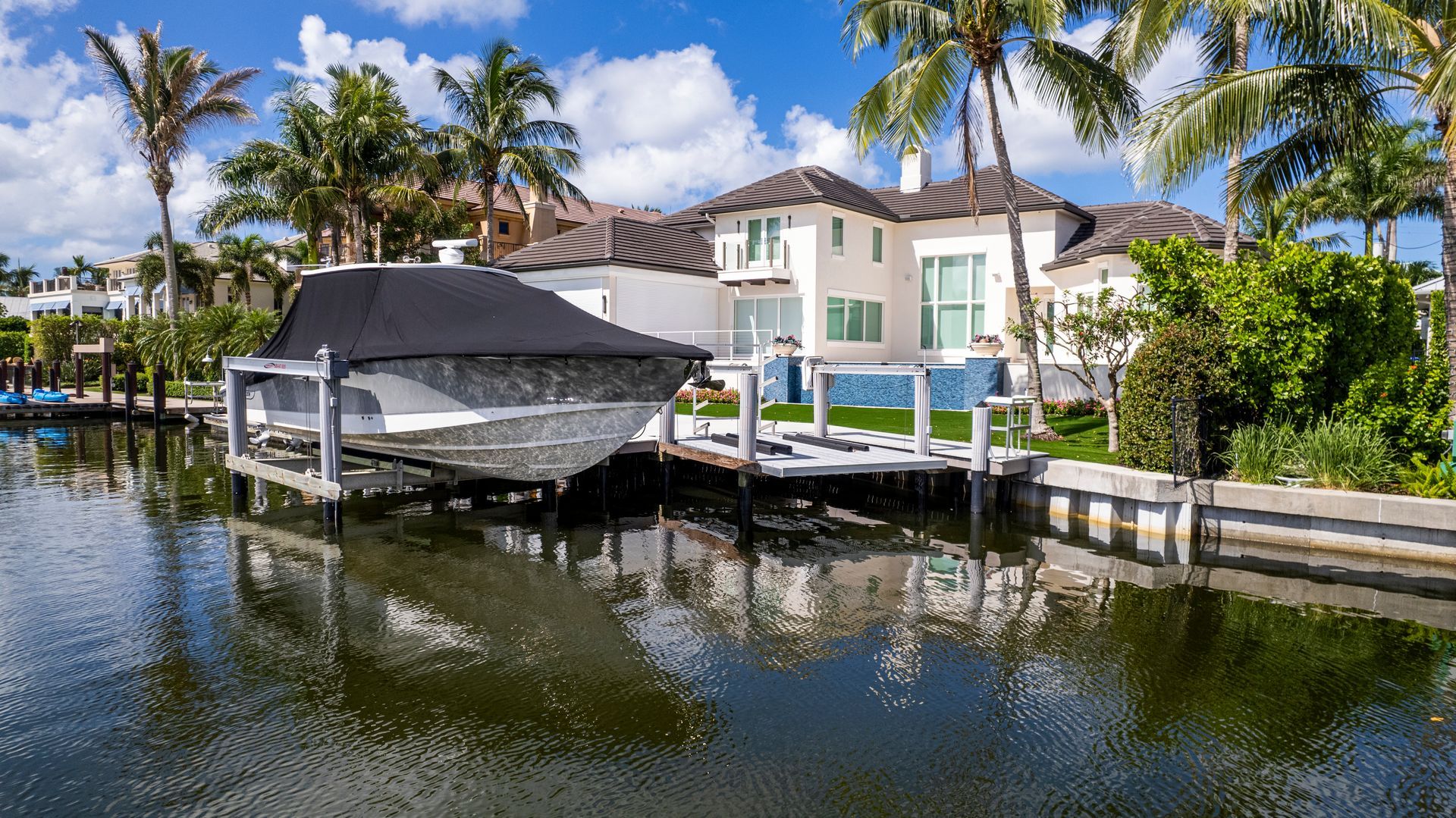
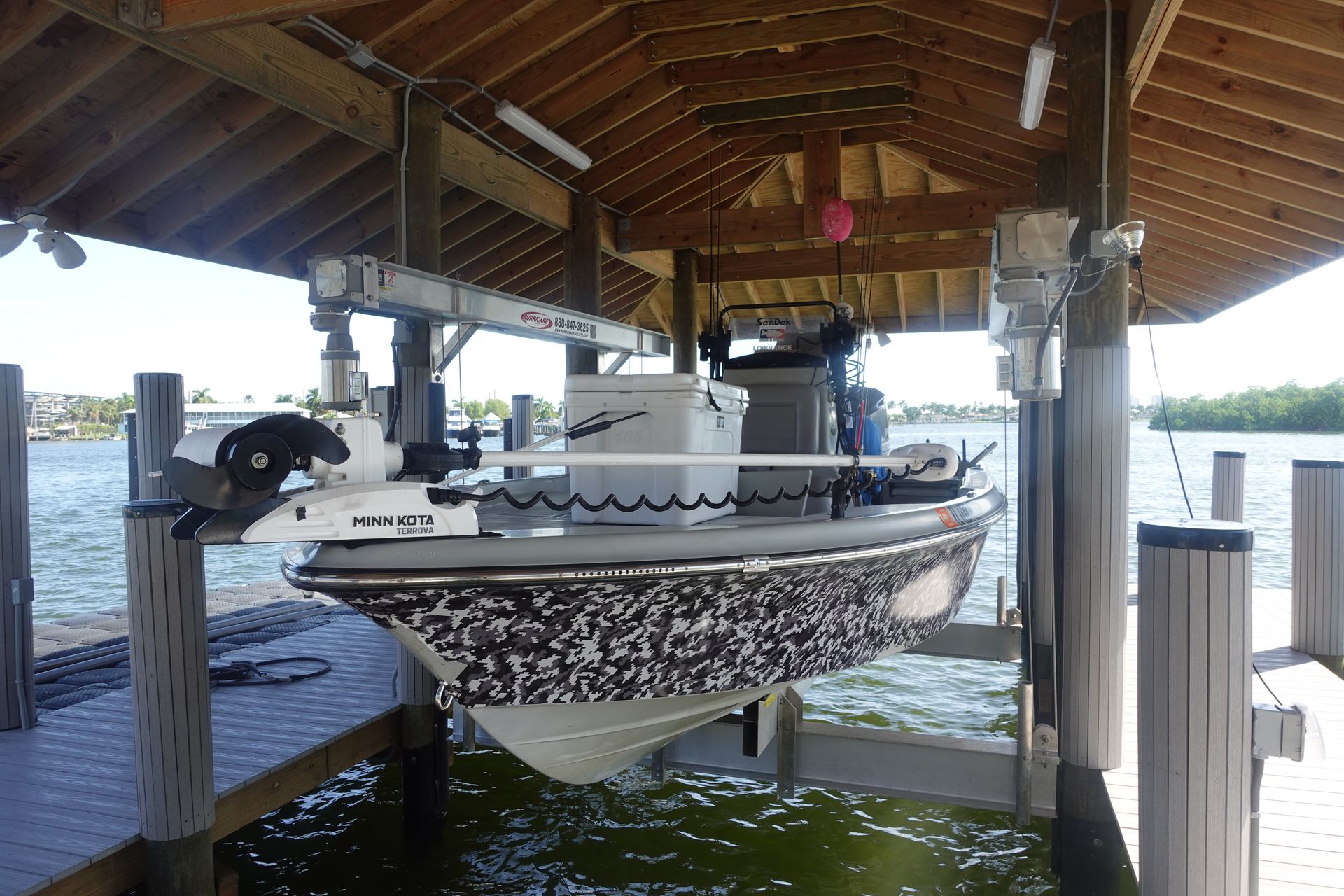
On the higher end, you're looking at custom-built floating docks with a steel frame, treated wood decking, boat lift integration, and professional installation. These are the docks built for serious use - ones that need to handle real boat traffic, heavy loads, and Florida's coastal conditions.
What Drives the Cost Up (or Down)
Materials Make a Big Difference
The material you choose affects both the upfront cost and your long-term investment. Polyethylene is one of the more affordable and low-maintenance options. Wood is traditional and attractive, but it requires more upkeep and can degrade faster in saltwater environments. Steel frame systems offer durability but may come at a higher price point.
Brands like FLEXX, Pond King, and PolyDock have helped bring modular floating dock systems into a more accessible price range, but what works on a calm inland pond may not hold up well in the tidal water conditions found throughout Collier County.
Size and Configuration
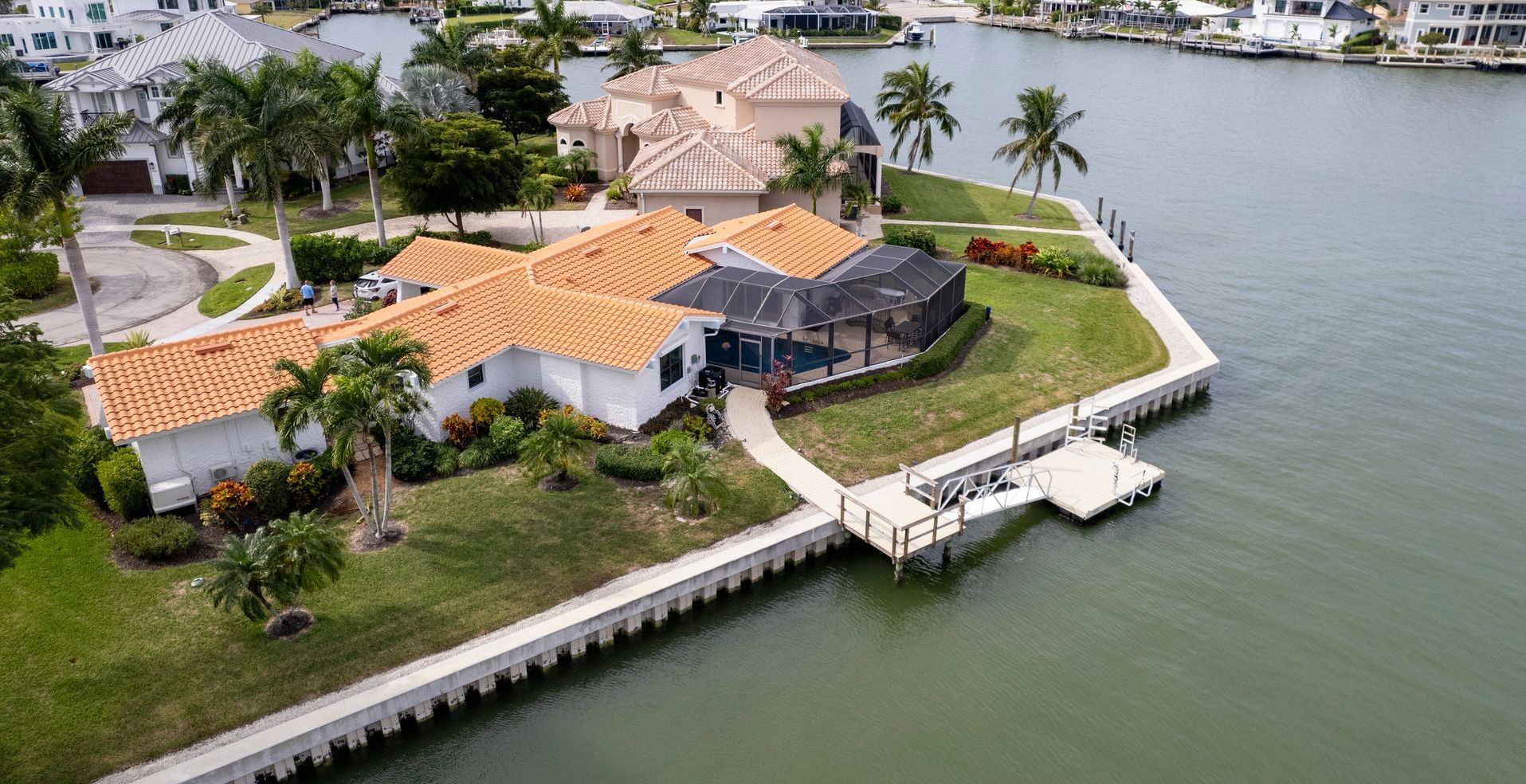
The square footage of your dock walkway, the number of boat slips, and whether you need a ramp or gangway all factor into the final number. A simple straight walkway dock is far less expensive than an L-shaped or T-shaped configuration with multiple access points and a boat lift.
Installation Labor
Materials are only part of the equation. Labor costs in Florida for marine construction can range from a few hundred dollars for a small modular system to several thousand for a full custom build. Complex projects involving permits, pile driving, or coordination with county regulations will increase that number further.
Permits and Local Requirements
In Collier County, waterfront construction is regulated. Before you build anything near the water, you'll need the right permits in place. Skipping this step can cost you far more in fines and removal fees than the dock itself ever would. Working with a licensed marine contractor who understands local requirements is not optional - it's essential.
Dry Dock vs. Floating Dock: Worth Knowing the Difference
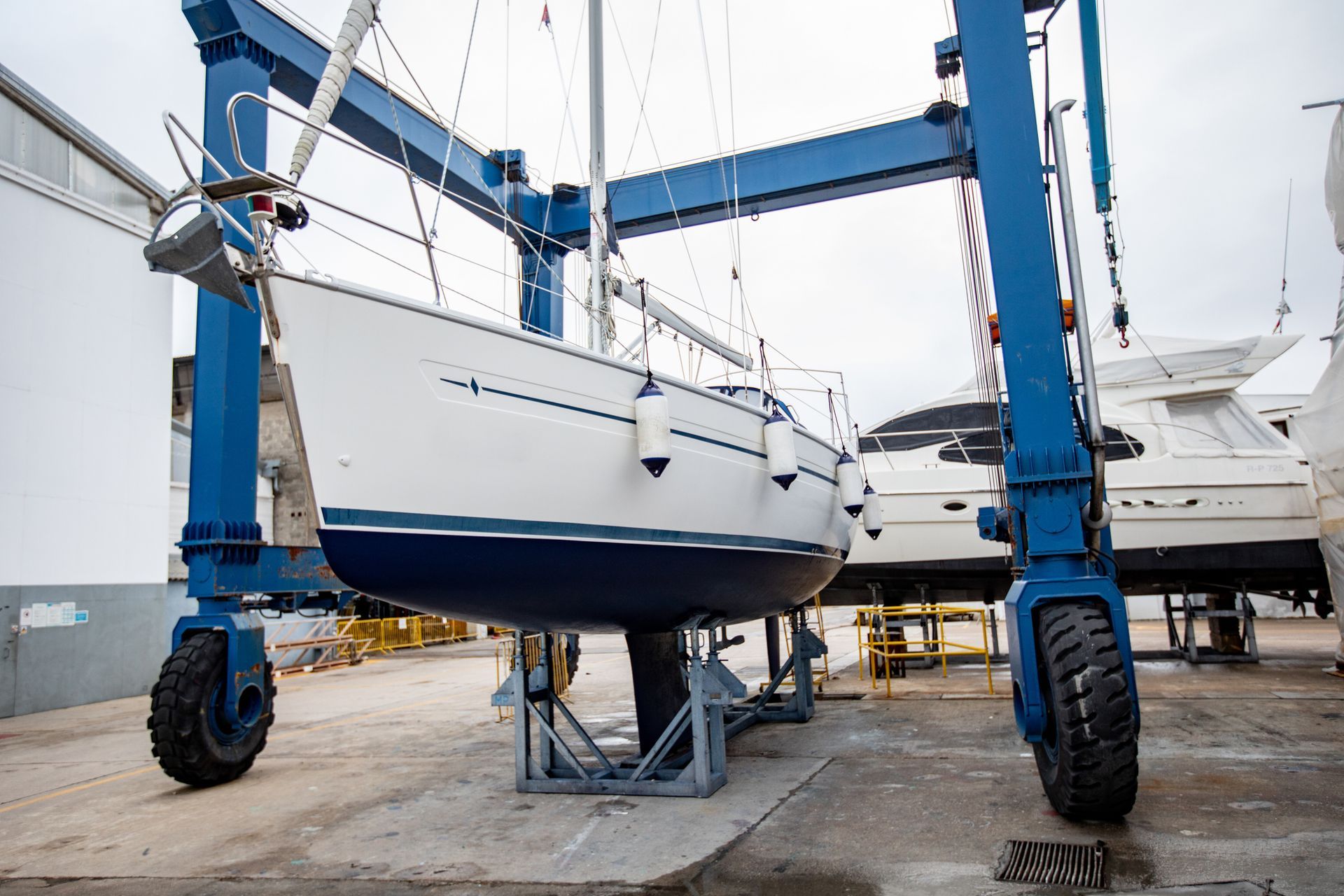
A dry dock is used to take boats out of the water entirely for maintenance or storage. Floating docks stay in the water and move with the tides or water levels, which makes them a practical choice for properties where water depth changes seasonally. Unlike a fixed dock, a floating dock rises and falls with the water, which reduces stress on boats tied alongside and makes boarding easier.
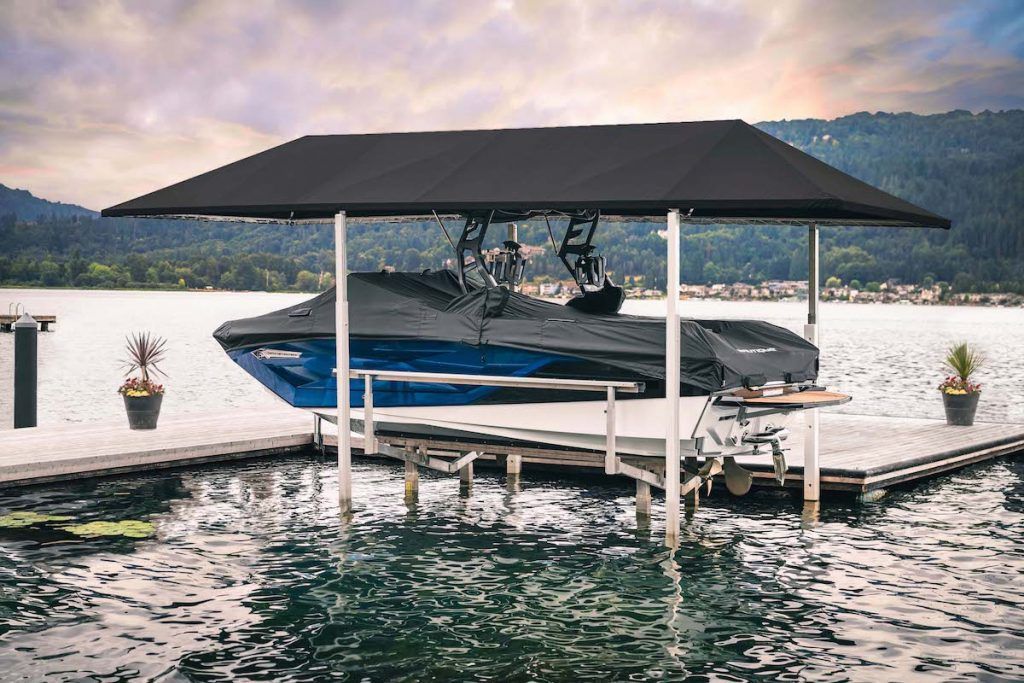
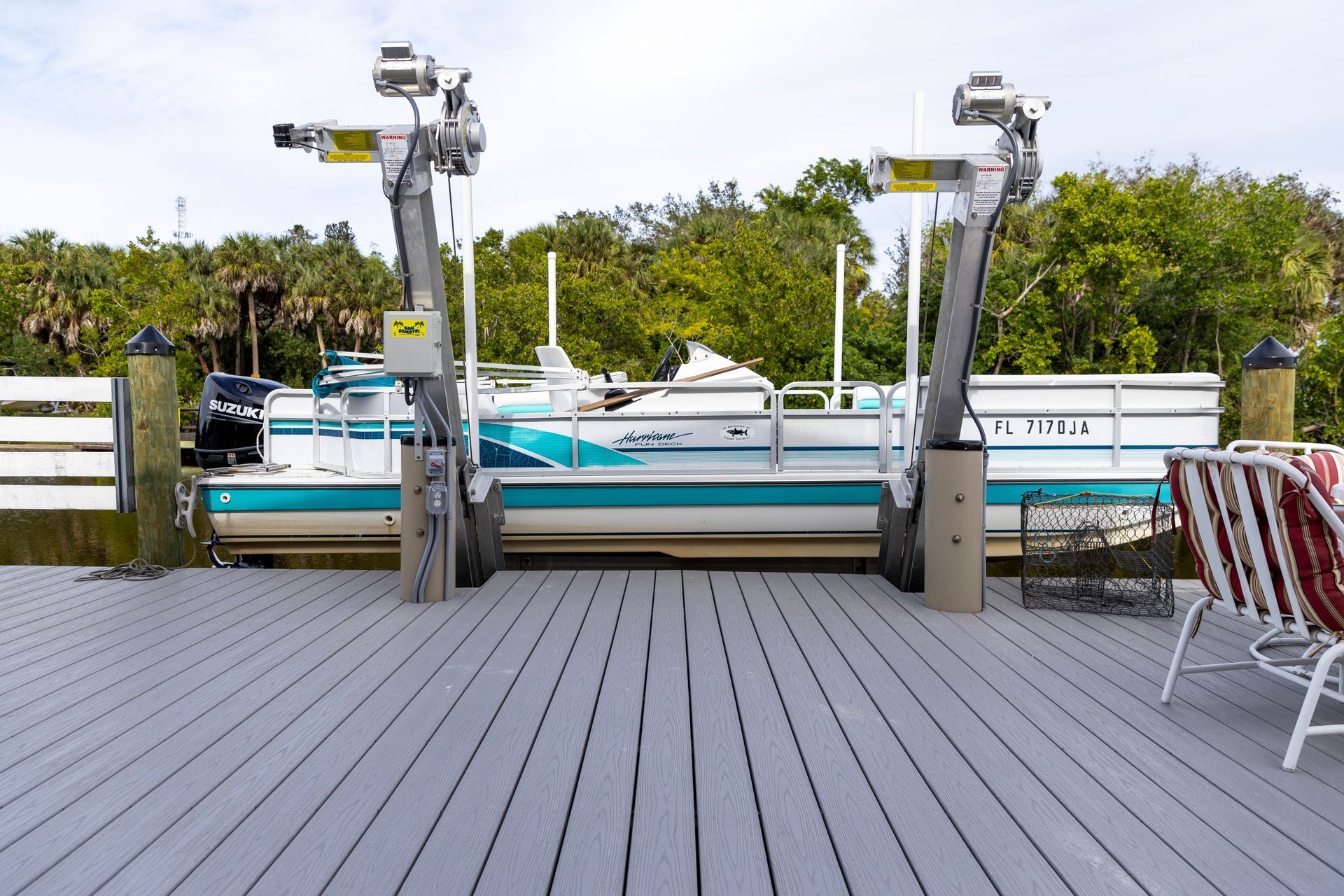
For many waterfront homeowners in Collier County, a floating dock paired with a boat lift offers a flexible and protective setup for vessels of all sizes.
Hidden Costs Most People Overlook
The purchase or build price is only the beginning. Here are the ongoing costs that can catch people off guard:
- Maintenance and repairs: Wood needs sealing or staining. Hardware corrodes in saltwater. Even polyethylene docks need periodic inspection.
- Warranty coverage: Cheap systems often come with limited warranties. A poorly designed dock that fails after one storm is not a good investment, regardless of how low the initial price seemed.
- Insurance: Some homeowner policies require updates or riders when a dock is added to a property.
- Replacement costs: Lower-quality docks may need full replacement within five to ten years. Higher-quality builds, when properly maintained, can last decades.
Think of it less like a one-time purchase and more like a long-term investment in your property.
Should You Buy a Kit or Go Custom?
This is where the decision gets personal. Modular floating dock kits from companies like EZ Dock or Tommy Docks are a reasonable option for calm, protected water - a small pond, a freshwater lake, or a very sheltered cove. They're relatively easy to assemble and can be reconfigured if your needs change.
But for properties on open bays, tidal rivers, or coastal waters, a
custom-built dock designed by an
experienced marine contractor is almost always the better call. The conditions in Southwest Florida are simply more demanding than what most off-the-shelf systems are rated to handle.
What a Floating Dock Really Costs and What to Plan For
A floating dock is not just a platform on the water - it's a major addition to your property that needs to be built right from the start. Getting the cost wrong means either underspending on a system that won't hold up or overspending on features you don't actually need.
If you're ready to explore your options for dock building in Collier County, Kalvin & Calvin Marine Construction brings over 40 years of local experience to every project.
Call (239) 280-6054 to talk through what makes sense for your waterfront.