What Drives Your Seawall Inspection Cost Up
If you own waterfront property in Collier County, Florida, you already know that your seawall is not just a concrete barrier between your home and the water. It is the foundation of your entire waterfront investment. So when someone tells you that a seawall inspection cost can vary widely, it is natural to wonder why.
The short answer is that no two seawalls are the same. The longer answer involves a handful of real factors that push pricing up or down depending on your specific situation.
Why Seawall Inspection Costs Are Not One-Size-Fits-All
Inspections are not just a quick walk along the wall and a visual glance at the surface. A proper inspection involves assessing the structural integrity of the entire system, including the bulkhead, piling conditions, soil behind the wall, and any signs of erosion or corrosion that could compromise the property.
The more complex the system, the more time and expertise required. And that directly affects what you pay.
The Size and Length of the Wall
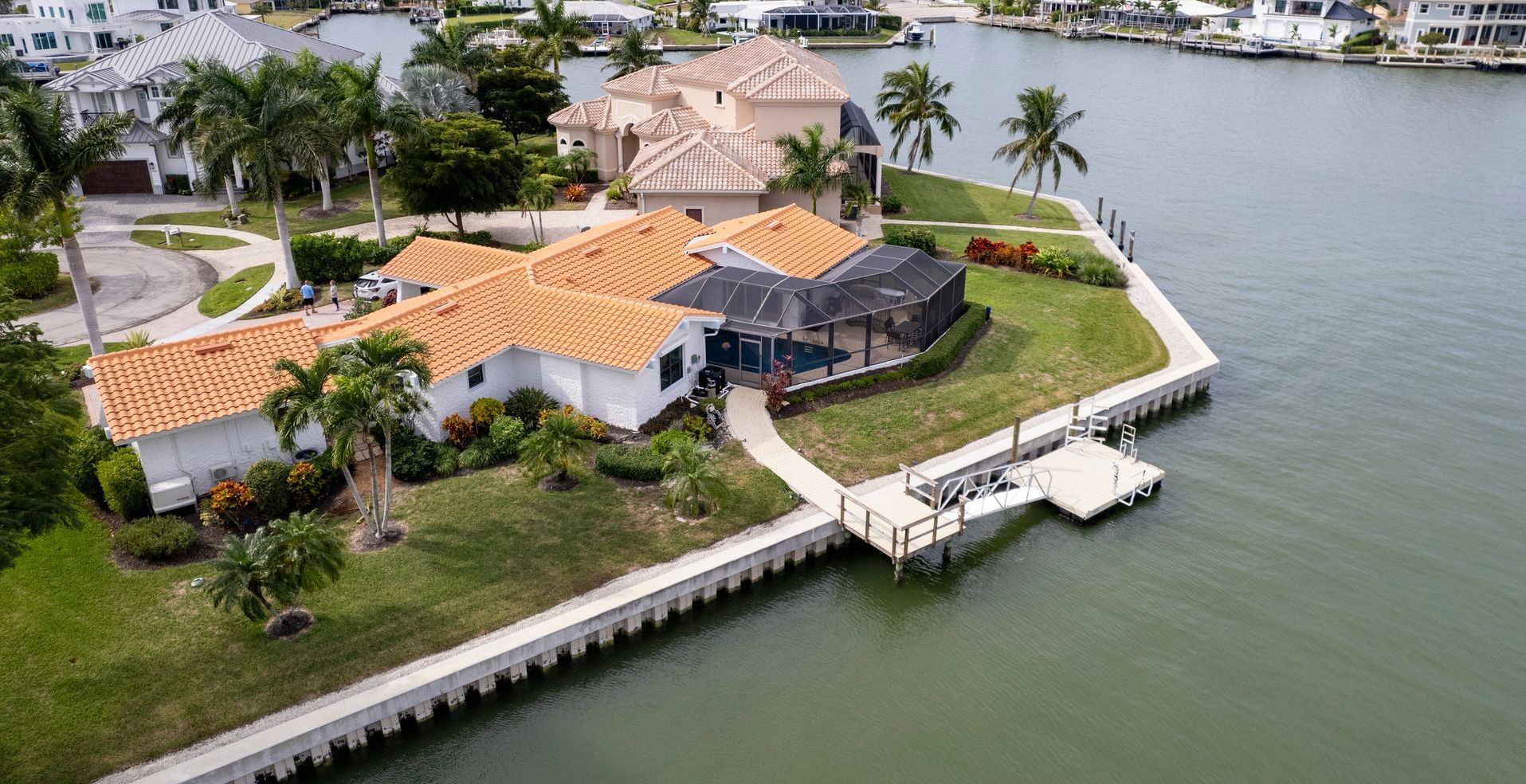
One of the most straightforward factors is simply how much wall there is to inspect. A shorter residential seawall in Naples Bay may take a couple of hours to evaluate. A longer stretch of concrete or steel sheeting along a larger parcel can take significantly more time.
Inspectors charge based on labor and scope, so more linear footage typically means a higher cost.
Wall Material and Age
Not all seawalls are built the same. Some are constructed from concrete, others from steel, vinyl, or a combination of materials. Each material ages differently and presents its own inspection challenges.
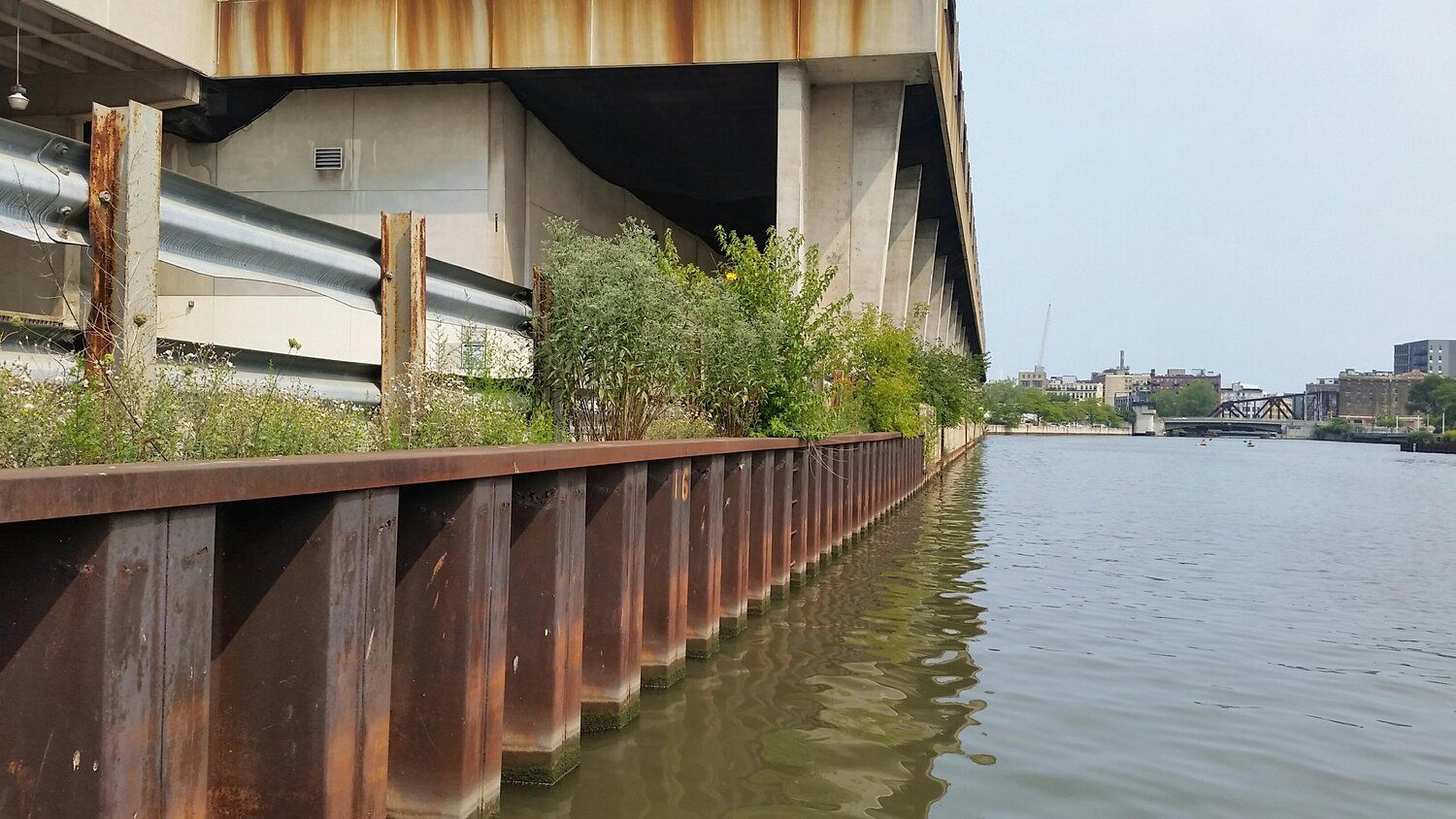
An older concrete wall, for example, may show surface cracking that looks minor but could be hiding deeper structural issues beneath the soil. A steel bulkhead might show surface rust that warrants closer evaluation for internal corrosion. The material type shapes what the inspector is looking for and how long it takes to do it properly.
Accessibility Challenges Along the Waterfront
This one surprises a lot of property owners. If your seawall is difficult to reach, whether due to vegetation, adjacent structures, shallow water, or limited dock access, the inspection process becomes more involved.
In some cases, inspectors need to access the wall from the water side as well as the land side. If your property lacks a dock or has restricted access, that adds time and potentially equipment needs to the job.
Soil Conditions and Signs of Erosion
Behind every seawall is soil, and that soil is constantly under pressure from the water on the other side. Inspectors look for signs that the soil is eroding, shifting, or creating voids that could eventually lead to sinkholes or wall failure.
When soil conditions are complex or when early signs of erosion are present, the inspection becomes more detailed. In South Florida's coastal environment, this kind of subsurface evaluation is not optional. It is essential to understanding the true condition of the wall.
Whether a Dock Is Part of the System
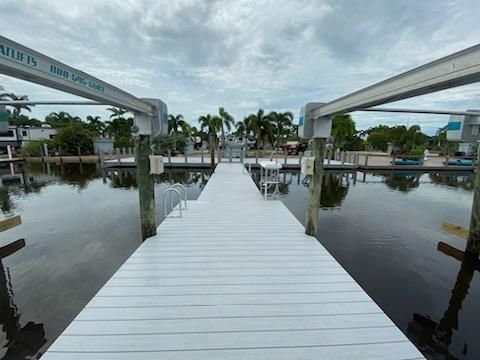
If your seawall connects to a dock, the inspection scope often expands. Pilings, decking connections, and the interaction between the dock and the wall all factor into the overall health of the structure.
An inspection that covers both the seawall and the dock system will naturally cost more than one focused on the wall alone. But skipping that evaluation can leave critical vulnerabilities undetected.
What Affects Pricing Beyond the Physical Inspection
Inspector Experience and Credentials
Marine construction inspection is a specialized field. A licensed, experienced inspector with a deep background in waterfront construction will price their services based on that expertise.
In Collier County, where saltwater corrosion, tidal activity, and coastal soil conditions create unique challenges, that experience is worth paying for. Cutting corners on inspector qualifications to save money upfront can cost far more in missed damage down the line.
Report Detail and Follow-Up Recommendations
Some inspections come with a basic verbal summary. Others include detailed written reports, photographic documentation, and specific repair recommendations. The more comprehensive the deliverable, the more the inspection will typically cost.
If you are buying waterfront property or planning a major renovation, a detailed report is not a luxury. It is a critical part of protecting your investment.
What You Are Really Paying For
A seawall inspection is not an expense. It is a way to understand the real condition of one of your property's most critical components before small problems become expensive ones. Riprap displacement, piling deterioration, concrete spalling, and hidden corrosion do not announce themselves. An experienced inspector finds them before they escalate.
For property owners in Collier County who want clear answers and honest evaluations, the cost of an inspection is almost always small compared to what it reveals.
How to Make a Smarter Seawall Inspection Decision
Understanding what drives your seawall inspection cost helps you make smarter decisions about your waterfront property. Wall size, material, accessibility, soil conditions, and inspector experience all play a role in final pricing. Skipping the inspection or choosing based on price alone can leave serious problems undetected. If your seawall is due for evaluation, reach out to Kalvin and Calvin Marine Construction at (239) 280-6054 to schedule a professional seawall inspection from a team with over 40 years of local waterfront expertise.