How to Determine Boat Lift Capacity Correctly
Getting a boat lift feels straightforward until you realize there are more numbers involved than you expected. The weight of your boat, the fuel in the tank, the water trapped in the hull - they all matter. And if you get the capacity wrong, you are either overspending on a lift you do not need or, worse, damaging one that cannot handle the load.
This guide walks you through how to determine boat lift capacity the right way, so you are not left guessing when it counts.
Why Boat Lift Capacity Is Not Just About the Boat's Dry Weight
Most people look at the manufacturer's listed weight for their boat and stop there. That number is the dry weight - it does not account for anything actually on the vessel when it sits in the water.
A realistic load includes a lot more than the hull itself. Fuel adds up fast. A full tank can add hundreds of pounds depending on its size, and gas weighs roughly 6 pounds per gallon. Add water in livewells, gear, coolers, and passengers if the lift will be used with people aboard, and the real number climbs quickly.
The Loaded Weight Is What Actually Matters
Here is a simple way to think about it. Take your boat's dry weight, then add:
- The weight of a full fuel tank (gallons multiplied by approximately 6 pounds)
- Freshwater or livewell capacity in gallons (water weighs about 8.3 pounds per gallon)
- Gear, tackle, electronics, and safety equipment
- Any permanent fixtures like towers, outboard motors, or aluminium accessories
Once you have that number, that is your working weight. The lift you choose should comfortably exceed it, not just match it.
How to Calculate the Right Lift Force for Your Vessel
Boat lift manufacturers and resources recommend adding a safety buffer on top of your loaded weight. A standard recommendation is to add at least 10 to 20 percent above the calculated loaded weight to give the lift mechanism proper headroom.
For example, if your loaded boat weighs 8,500 pounds, you would want to look at lifts rated for 10,000 pounds or more. A 10000-pound rated lift gives you room for weight distribution changes over time, like upgrades or new equipment.
Measuring Your Boat's Beam and Length
Lift capacity is not purely about weight. The beam - the widest measurement across your vessel - determines what style and width of cradle or elevator system you need. A wide-beam boat may require a different lift configuration even if its weight falls within a standard range.
Length matters too. Longer boats place stress differently along the cradle, which affects how the lift is distributed across the structure. Knowing both your beam (nautical measurement) and overall length helps you select the right lift geometry, not just the right rating.
Common Mistakes People Make When Sizing a Boat Lift
Underestimating loaded weight is the most common error, but it is not the only one. People also forget that stainless steel hardware and additional rigging add to the equation. Others assume that because a lift is rated for their dry weight, it will perform fine indefinitely.
Boat forums like
www.thehulltruth.com are full of discussions from owners who had to replace lifts prematurely because they bought based on dry weight alone. Do not let that be your situation.
Ignoring Tide and Water Conditions
In Southwest Florida, tidal variation and wave action put additional stress on a boat lift beyond just static weight. The lift required to raise and lower your vessel smoothly under real water conditions is different from what the spec sheet assumes in calm, controlled settings.
A
marine construction professional who understands local waterways can help you factor this in. What works on paper sometimes needs a real-world adjustment.
How to Use an Elevator-Style Lift vs. a Traditional Cradle
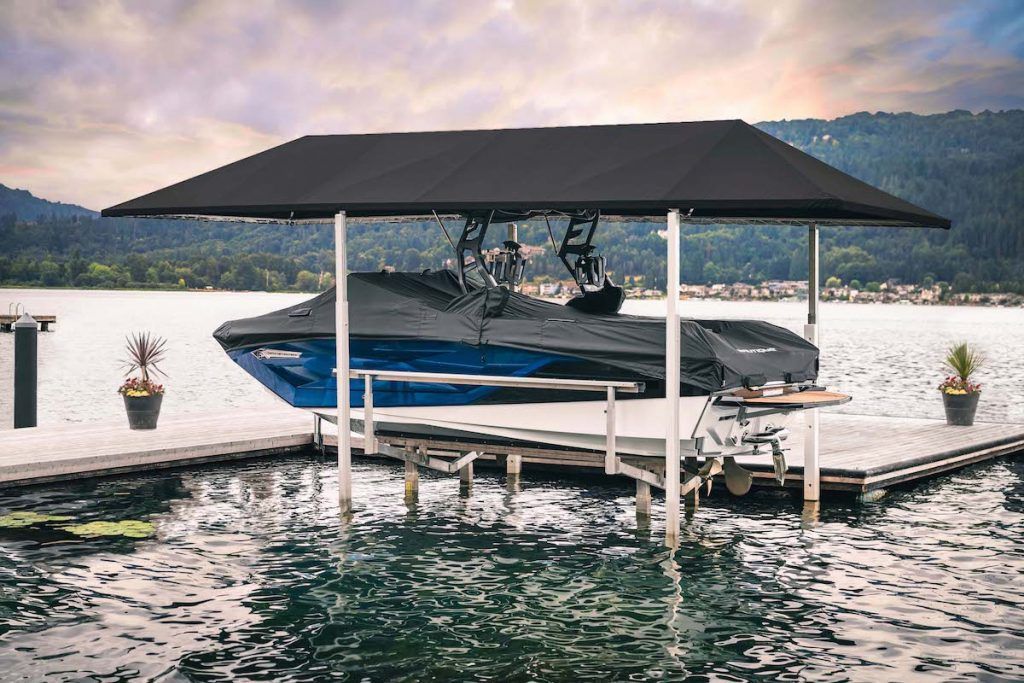
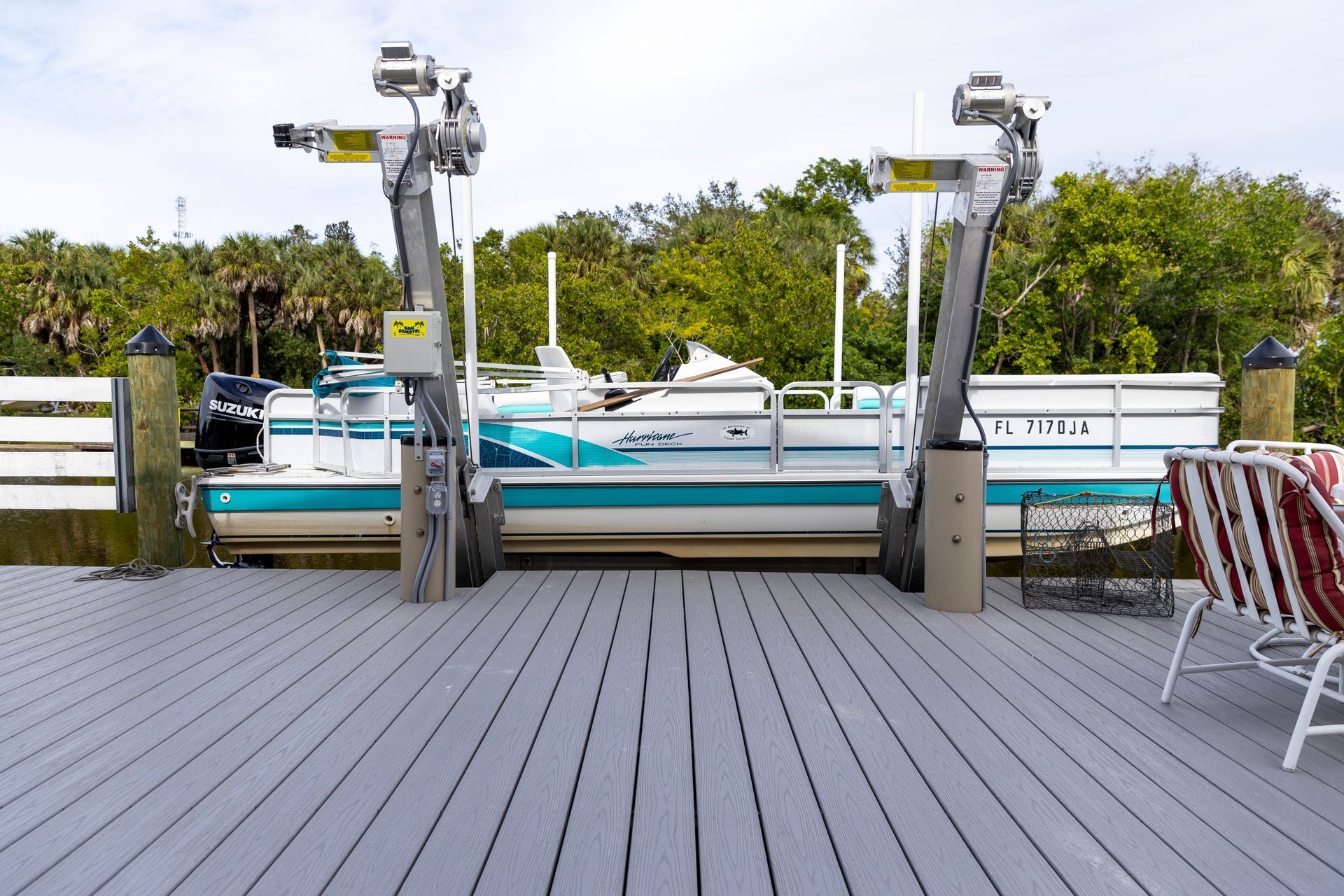
Elevator-style lifts operate on vertical rise rather than a swing or cradle angle. They tend to distribute weight more evenly and are popular for heavier vessels or situations where dock space and water depth limit other options.
Traditional four-post cradle lifts remain the most common choice for residential docks in Collier County. They are reliable, easier to maintain, and work well across a wide range of boat sizes. Matching the lift style to your hull type and dock setup is part of getting the capacity decision right.
Do Not Skip a Professional Assessment
Online calculators and manufacturer guides are a great starting point. But they are not a substitute for an on-site evaluation.
A
dock builder who has worked in your specific waterway knows the details that calculators miss - bottom conditions, tide ranges, how your hull sits, and what lift configuration will hold up long-term in that environment.
How to Determine Boat Lift Capacity Correctly
Choosing the right boat lift starts with honest math and ends with good judgment. Calculate your true loaded weight, account for your vessel's beam and length, and always size up rather than just meeting the minimum. If you are planning a new dock installation or upgrading an existing structure, working with an experienced dock builder ensures the lift fits your boat and your waterfront. Reach out to Kalvin & Calvin Marine Construction at (239) 280-6054 to get expert guidance before you commit to anything.