How Deep Should a Seawall Be Driven for Stability
If you own waterfront property in Collier County, Florida, you already know the water is both a gift and a constant challenge. Tides shift, waves push, and the soil beneath your feet is always under pressure. A seawall is your first line of defense, but only if it is built to the right depth.
So how deep does a seawall actually need to be driven to hold? The answer depends on more than one factor, and getting it wrong can cost you far more than the construction itself.
What a Seawall Actually Does
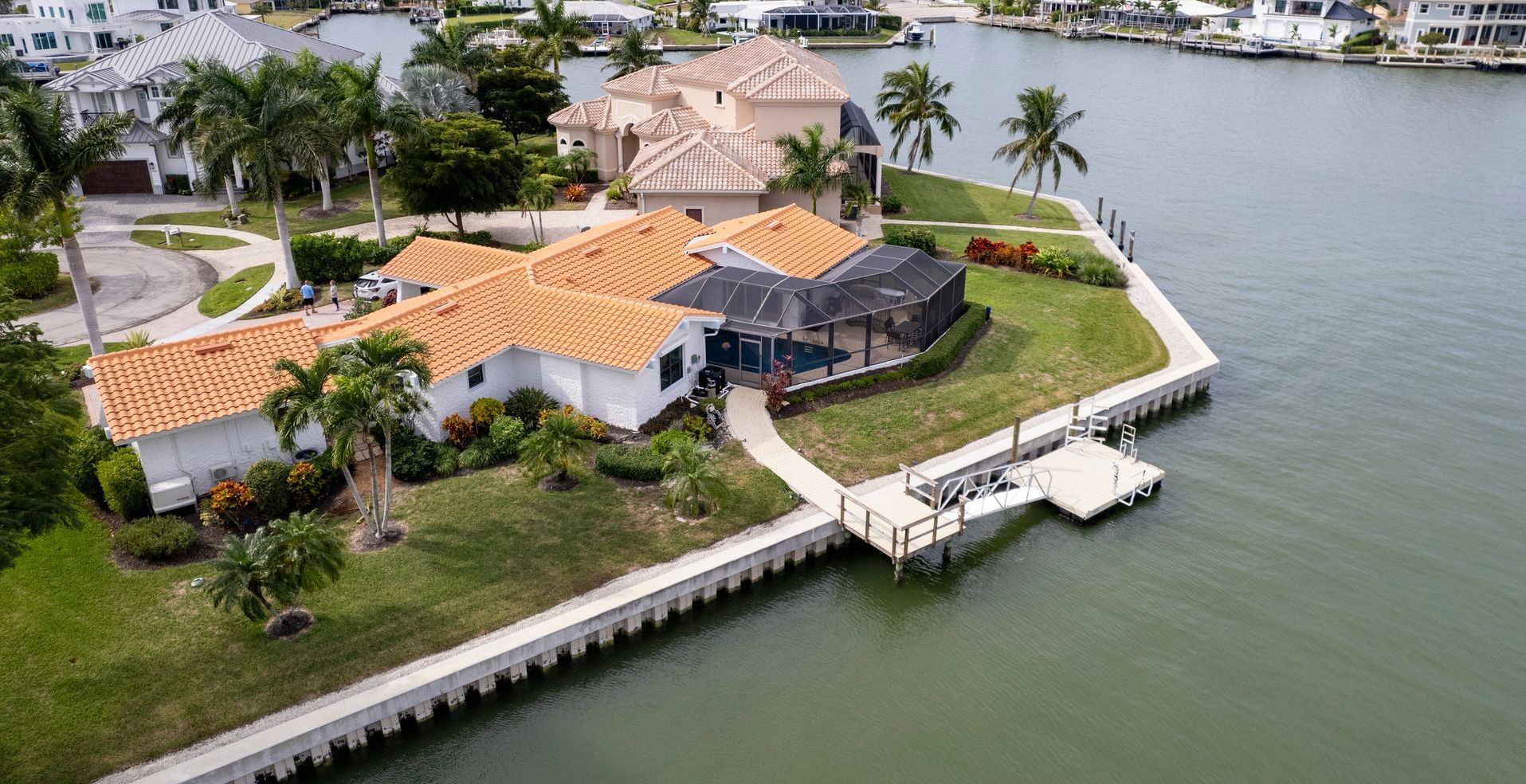
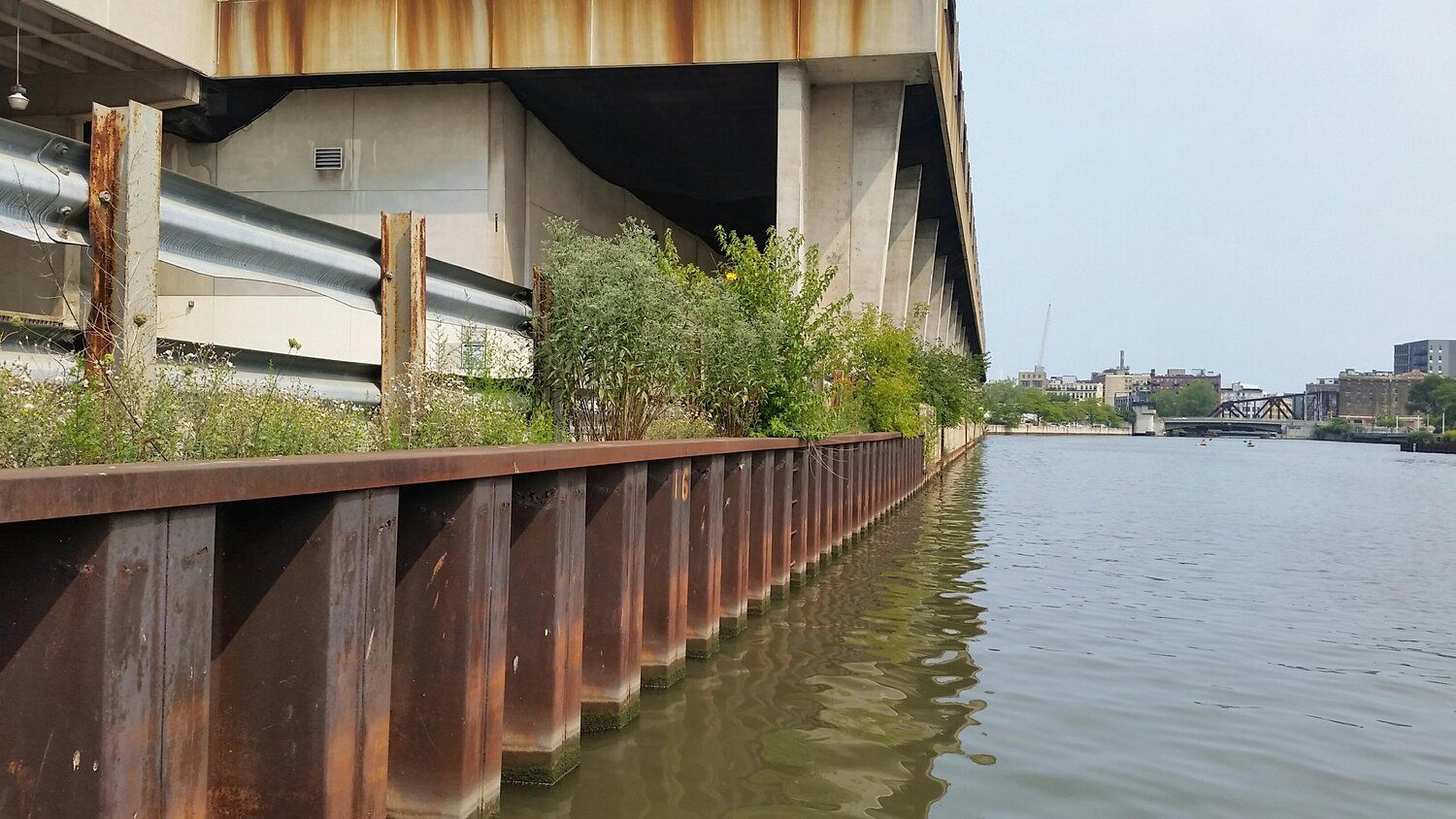
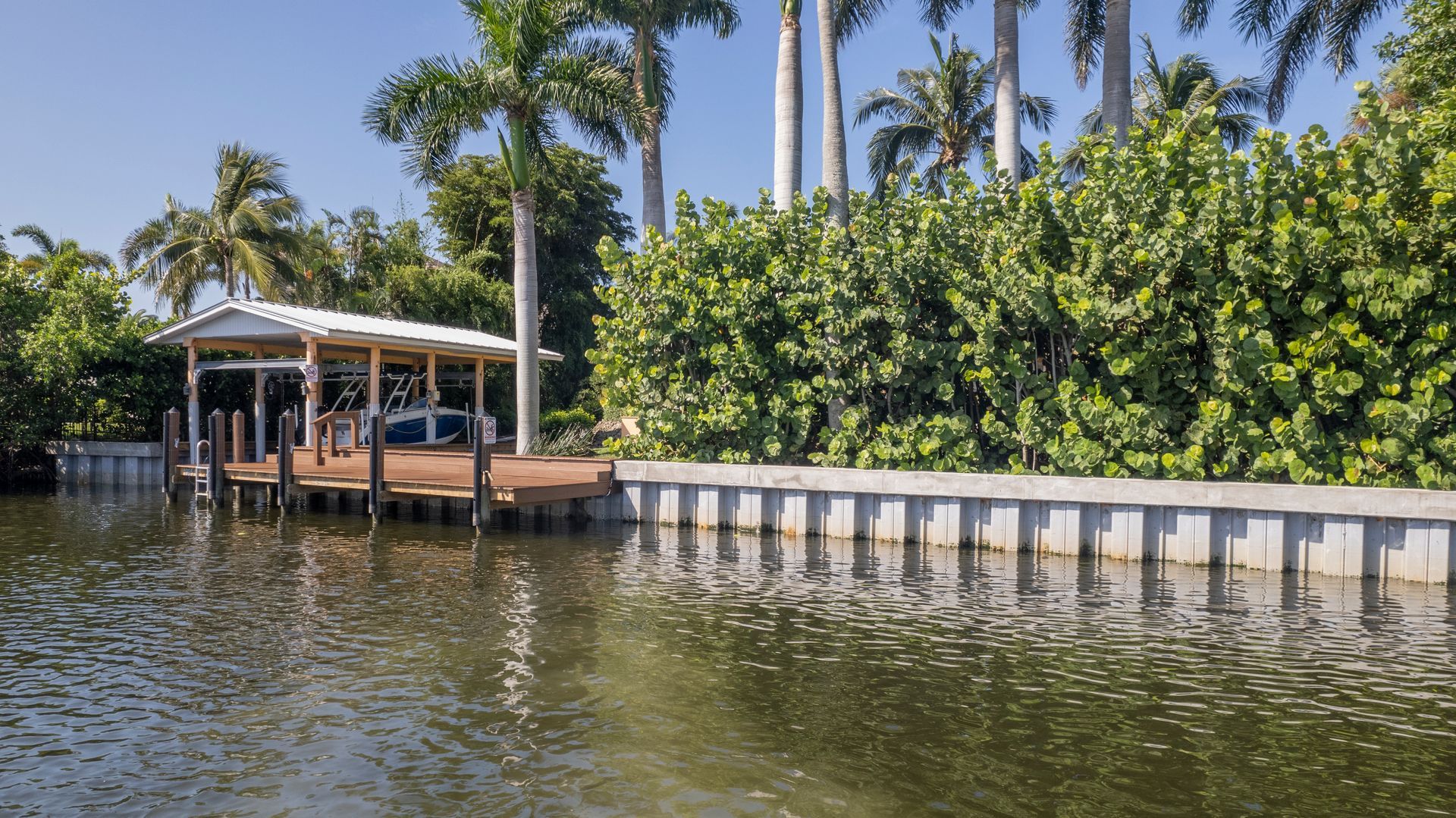
A seawall is a structure built along a shoreline to resist the force of water, protect against coastal erosion, and keep the land behind it stable. Think of it as the retaining wall between your property and the unpredictable energy of the coast. It holds back soil, manages wave run-up, and reduces the risk of flood damage to nearby structures.
Without adequate depth, even the most well-built wall becomes vulnerable. Waves do not just push horizontally. They create pressure beneath the surface, and if a seawall is not driven deep enough into the ground, that pressure will eventually win.
Why Depth Matters More Than Height
Most people focus on how tall a seawall is above the waterline. Height matters, especially for wave overtopping and flood insurance compliance under the National Flood Insurance Program. But the depth below the surface - called the embedment depth - is what keeps the wall from rotating, shifting, or failing at the foundation.
A seawall that is tall but shallow is like a fence post set an inch into the ground. The first real storm will test it, and the results will not be good.
The Role of Soil in Seawall Depth
Soil type plays a critical role in determining how deep a seawall needs to be driven. In Collier County, you are often dealing with sandy, loose soils near the coast and sometimes softer organic material closer to waterways and estuaries. These conditions require deeper embedment compared to areas with denser, more compact ground.
In soft coastal soils, a seawall piling or sheet pile panel typically needs to go at least as deep below the mudline as it stands above it - sometimes deeper. This ratio ensures that the wall has enough resistance against the lateral pressure of water and saturated soil pushing against it.
General Depth Guidelines for Seawall Construction
While every site requires a proper engineering assessment, there are general benchmarks used in coastal construction.
For
residential seawalls in typical coastal conditions, the embedment depth is often
one to one-and-a-half times the exposed height of the wall. So if your seawall stands five feet above the water, it may need to be driven five to seven feet or more below the mudline.
Commercial seawalls, or those facing heavier wave action and tidal forces, often require even greater depth. Bridge scour - the erosion of soil around submerged structures caused by moving water - is a related concern in areas with significant tidal flow, and it directly affects how much soil can be lost around a wall's foundation over time.
The materials used also matter. Vinyl sheet pile systems have become a popular option in Florida coastal construction because they resist corrosion, maintain structural integrity in wet soil, and are easier to drive to proper depth without cracking or splintering.
Factors That Affect Required Depth
Several site-specific conditions influence how deep a seawall must be installed.
- Tidal range and wave exposure - Properties on open water with strong tidal swings and consistent wave action require deeper installation than protected coves or calm bays.
- Soil erosion patterns - Areas experiencing active soil erosion or beach erosion may need additional embedment to account for future loss of support material.
- Water table and flood zone designation - Properties in high-risk flood zones, particularly those covered under the National Flood Insurance Program, must meet specific structural standards that can influence depth requirements.
- Existing seawall condition - When repairing or replacing an aging wall, the depth of the original installation matters. A wall that has already settled or shifted may indicate the original depth was insufficient.
Measurement and Engineering: Do Not Skip This Step
Proper measurement is not optional. Before any seawall is driven, a site assessment should evaluate soil composition, water depth, tidal data, and load requirements. This is where experienced marine construction contractors use technical data rather than guesswork.
In Florida, permits for seawall construction require engineering documentation in most cases. Working with a contractor who understands local regulations and has experience in Collier County waters is essential. The stakes are too high - literally and structurally - to skip proper planning.
What Happens When a Seawall Is Not Deep Enough
A seawall that lacks sufficient depth does not just fail all at once. It typically shows early warning signs: cracks in the cap, leaning or rotation of panels, soil washing through gaps, and erosion behind the wall. Over time, the pressure of tide, wave, and saturated soil overcomes the wall's resistance.
The carriage bolt connections between panels and tie-back systems also come under stress when embedment is inadequate. Once those connections fail or the wall begins to shift, repair costs escalate quickly - and the window to save the existing structure may close.
Seawall Construction and Repair in Collier County
Kalvin & Calvin Marine Construction has been working along Collier County's waterfront for over 40 years. The team understands the specific conditions found along Naples Bay, Marco Island, Vanderbilt Beach, and the surrounding coastal areas. That local knowledge makes a measurable difference when determining how deep a seawall should be driven for any given site.
Whether you are building new or assessing an existing structure, the depth question deserves a direct and informed answer based on your specific shoreline.
Getting the Right Seawall Depth
Getting seawall depth right is not a detail - it is the foundation of everything the structure is meant to do. From resisting coastal erosion to meeting flood insurance requirements, proper embedment is what separates a wall that holds from one that fails.
If you have questions about your seawall's condition or need an expert eye on a new installation,
reach out to the team at Kalvin & Calvin Marine Construction by calling
(239) 280-6054 to schedule a professional
seawall
inspection.