Pier vs Dock: What's the Real Difference?
If you have ever stood at the edge of the water and wondered whether you were on a pier or a dock, you are not alone. These two words get swapped constantly, even by people who spend a lot of time near the water. But the difference is more than a vocabulary debate. It has real implications for construction, permits, and how you actually use the structure.
What Is a Pier?
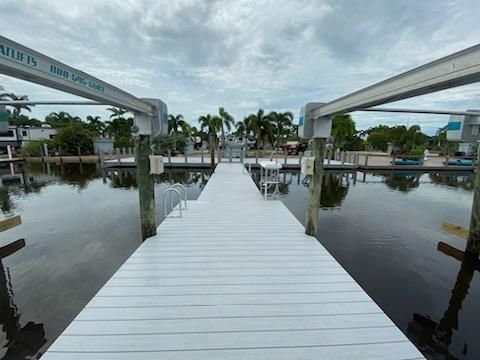
A pier is a raised structure that extends from the shore out over a body of water. Think of it as a walkway that leads you from the beach or shoreline to a point above the water. Piers are typically built on pilings - vertical posts driven into the lakebed, riverbed, or ocean floor.
In American English, piers are commonly associated with recreation. You see them at fishing spots, scenic overlooks, and coastal parks. They project outward into the water but are not necessarily designed for boats to pull alongside.
What Is a Dock?
A dock, in the traditional sense, is a platform or area along the water where boats are moored, loaded, or unloaded. In American English, the word dock is used loosely to describe almost any waterfront platform - from a small residential floating dock to a commercial wharf used for maritime transport.
In the United Kingdom and parts of Canadian English, "dock" more specifically refers to the water between two structures rather than the structure itself. That distinction matters less in everyday conversation here in Collier County, but it is worth knowing if you ever read older construction documents or maritime guides.
The Water Gap: Why It Actually Matters
Here is where things get practical. The gap between the structure and the water determines a lot about function.
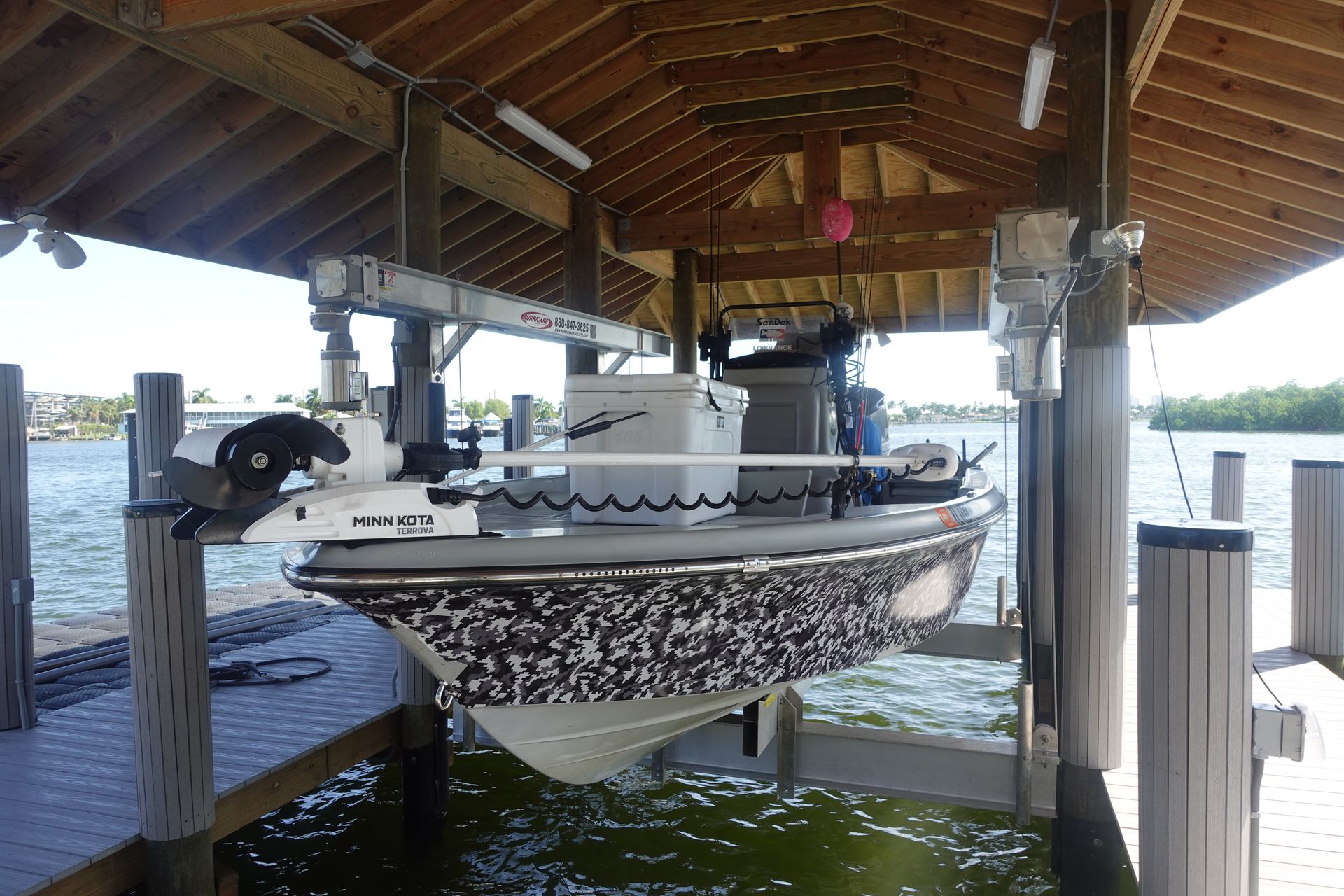
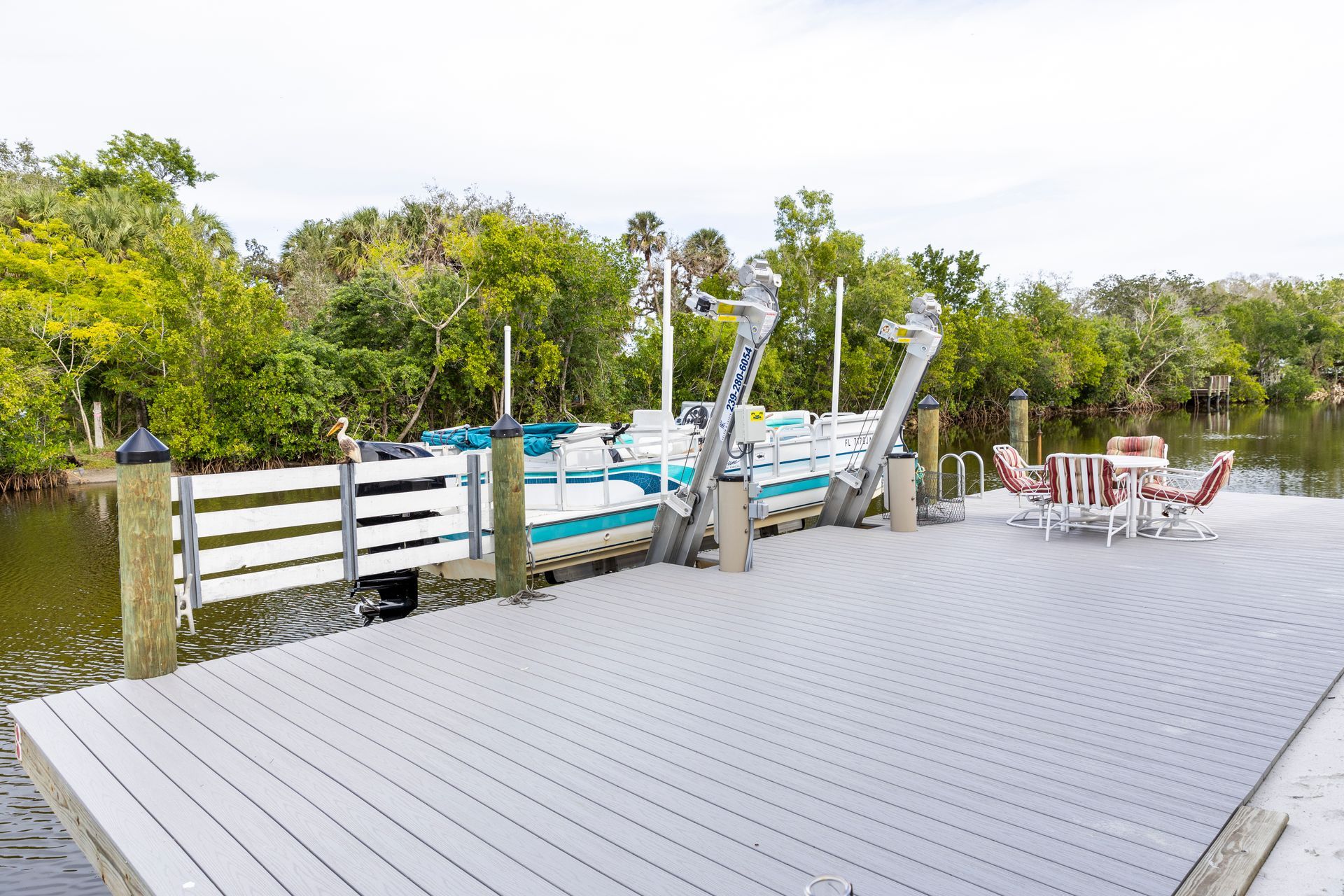
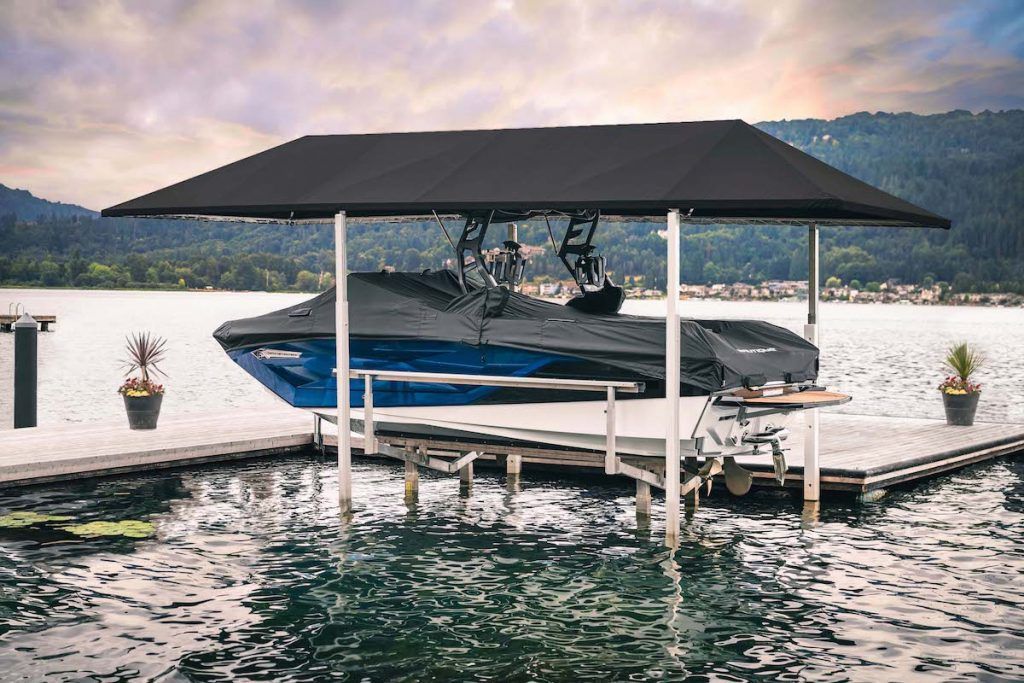
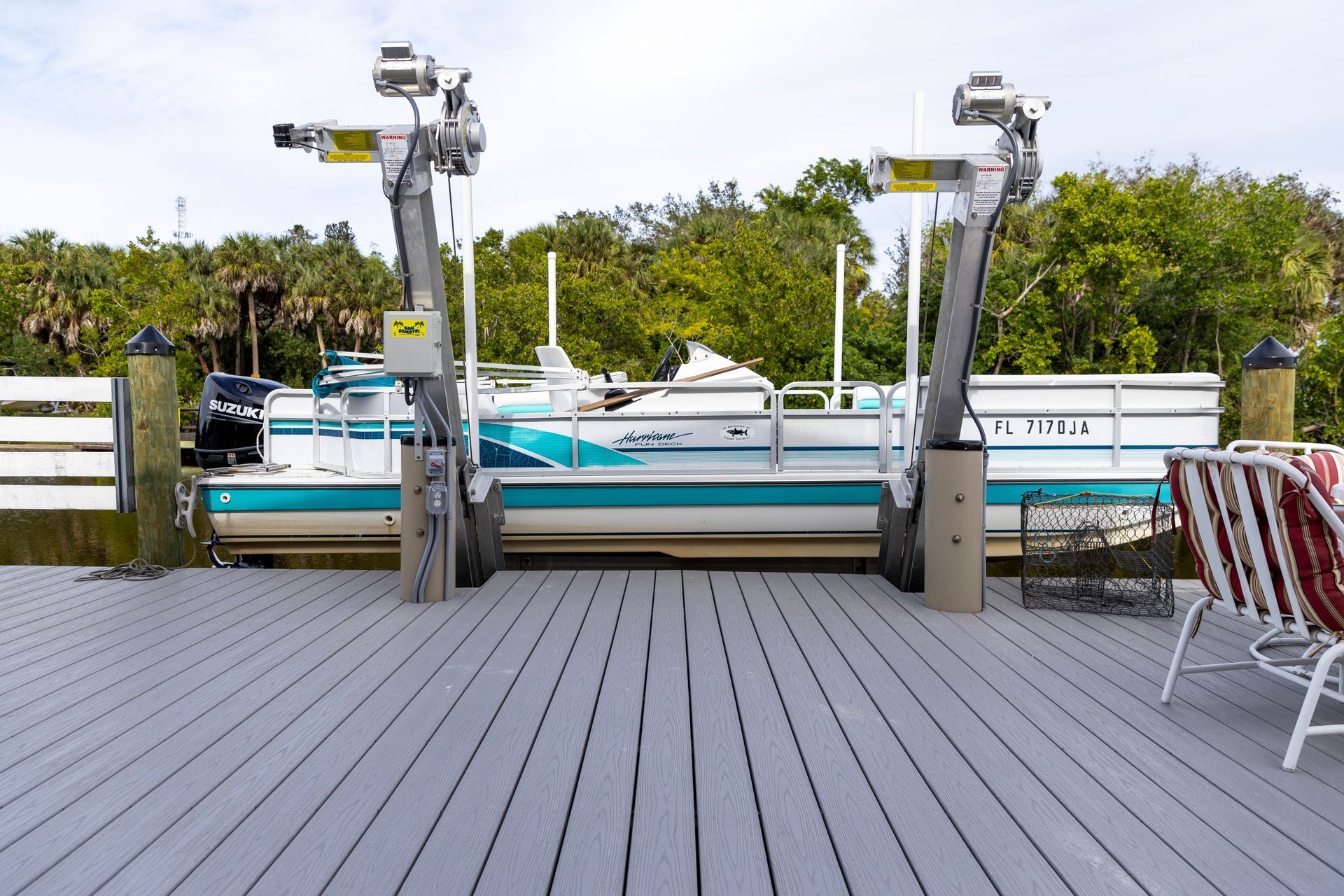
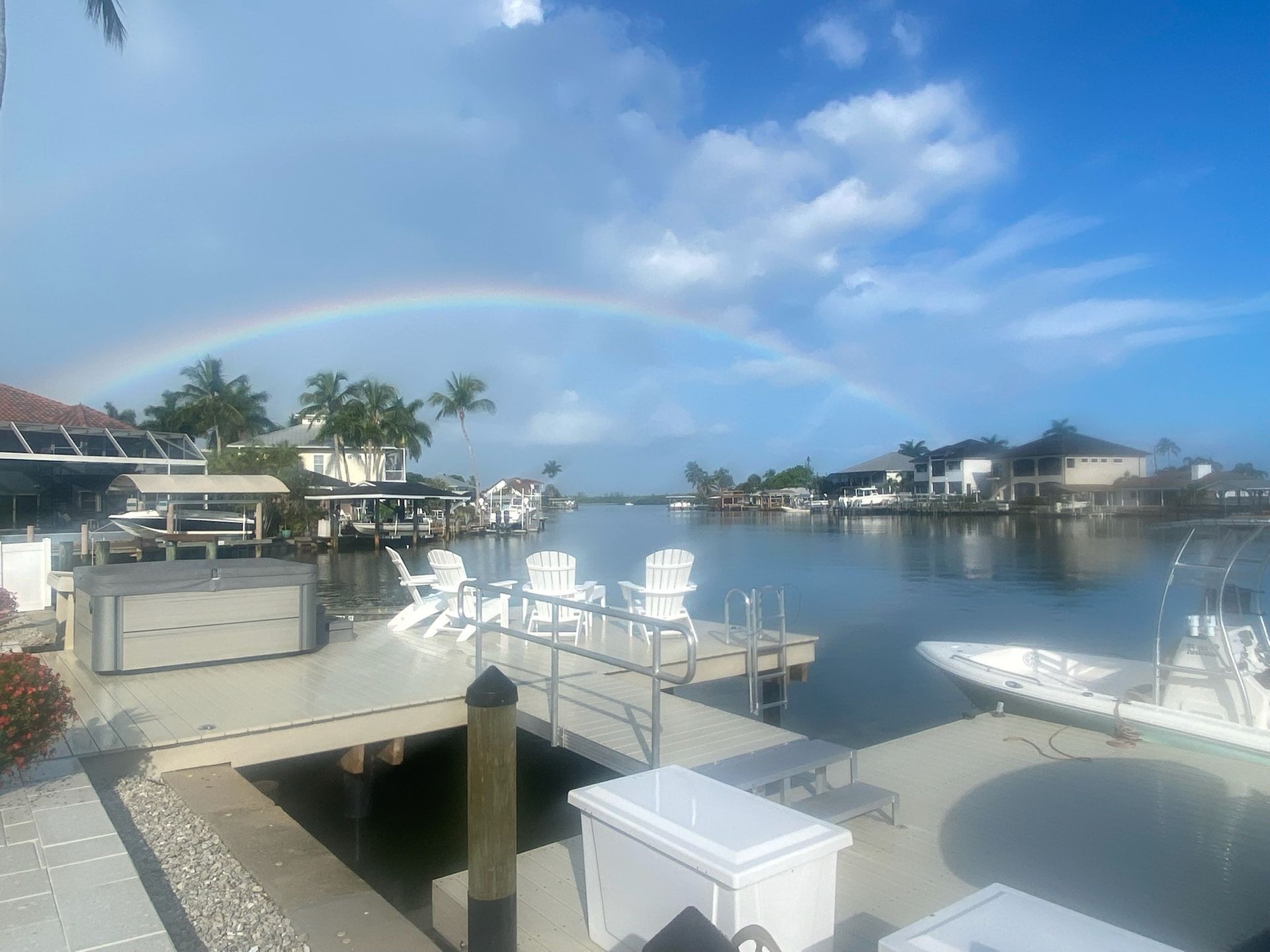
A pier, elevated on pilings with open water beneath it, is great for fishing, walking, and enjoying views. A dock sits at or near water level, which makes boarding and securing a boat much easier. The platform design of a dock allows for features like a boat lift, cleats, and storage - things a standard pier walkway simply cannot accommodate.
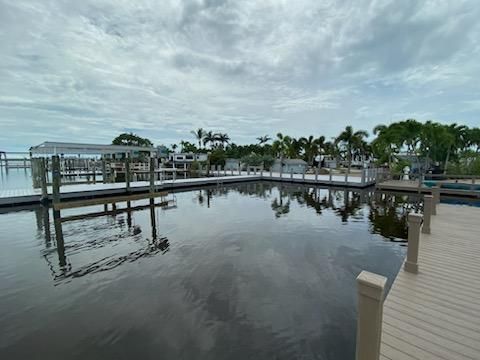
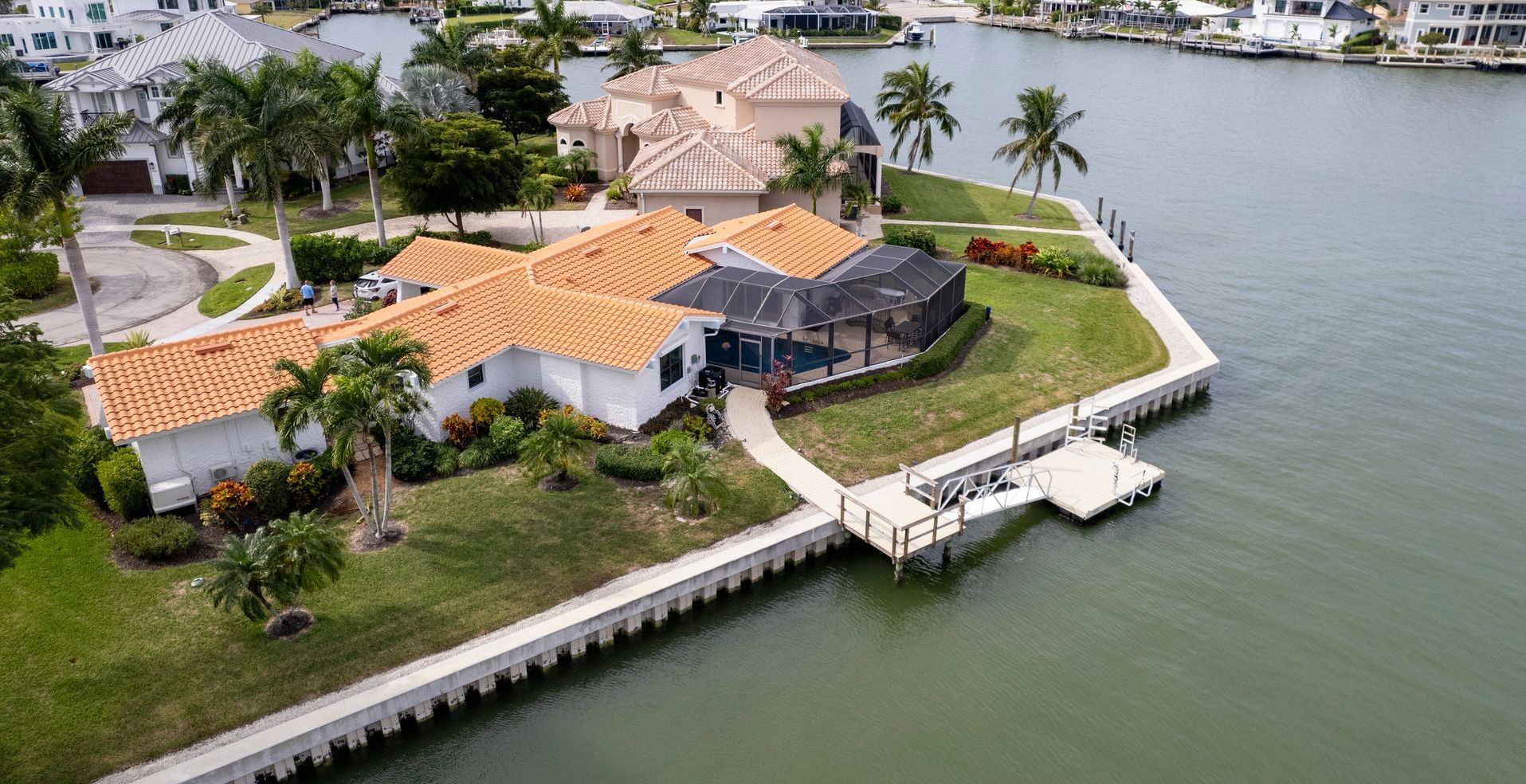
For homeowners along Naples Bay, Marco Island, or any coastal waterfront in Collier County, this distinction directly affects what permits you need, what materials make sense, and how the structure will hold up to wave action and tidal movement.
Materials and Construction
Both structures rely on pilings for support, and the choice of material matters for longevity. Wood was the traditional option for decades and still has its place, but concrete and aluminium have become popular choices for their resistance to saltwater corrosion and marine organisms.
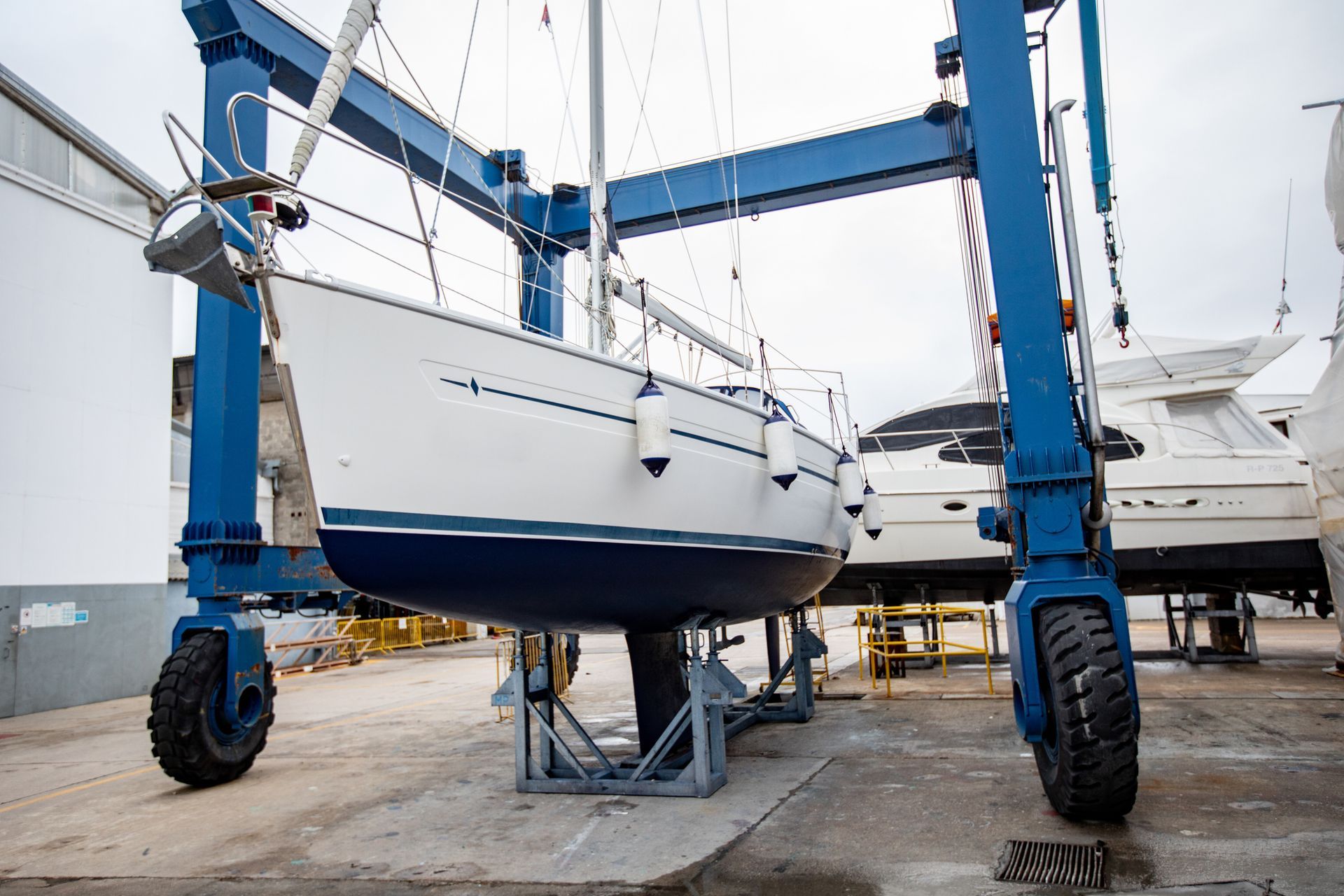
Concrete pilings are common in commercial settings, like ports and marinas, where heavy loads and equipment - including cranes used for lifting larger vessels - are part of daily operations. Aluminium works well for residential floating dock systems and lighter applications.
For residential docks along Southwest Florida's coast, treated wood remains a cost-effective option, though composite and aluminium decking have gained ground for their low maintenance and durability.
Common Confusions Worth Clearing Up
The term wharf often comes up alongside pier and dock. A wharf is a flat structure built along the shoreline, parallel to the water's edge, used historically for loading cargo from ships. A dry dock is a different thing entirely - it is an enclosed basin where water is removed so a vessel can be inspected or repaired below the waterline.
Other floating dock manufacturers have made prefabricated systems popular for lake and coastal properties alike. These modular systems blur the line between pier and dock even further, since they extend from shore and provide boat access.
What Does This Mean for Your Waterfront Property?
If you are planning a new structure or replacing an old one, the function you need should drive the design. Do you want a fishing platform and a scenic walkway? A pier-style design may suit you. Do you need to tie up a boat, use a boat lift, or host guests aboard a vessel? A dock is the right approach.
The construction process itself also differs.
Dock construction often involves more complex engineering to handle boat loads, wave movement, and current. Pier construction for recreation is generally simpler but still requires proper permitting and piling installation.
Kalvin and Calvin Marine Construction has been handling both types of structures for over 40 years in Collier County, and the team can help you determine which design fits your needs, water depth, and site conditions.
Which Is Right for Your Waterfront: A Pier or a Dock?
The difference between a pier and a dock comes down to function, elevation, and access to the water. Getting it right from the start means a structure that works for your property for decades. If you are planning a new build or replacing an aging structure along Collier County's waterfront, the best next step is to explore your dock building options with people who know these waters well. Call Kalvin and Calvin Marine Construction at (239) 280-6054 to get started.