What Is Shoreline Stabilization? Preventing Coastal Erosion
If you own waterfront property in Collier County, you've probably noticed how the edge of the land doesn't stay put. Rain, waves, storm surge, and sea level rise are constantly working to eat away at the soil beneath your feet. That's coastal erosion, and it's not a slow, polite process.
Shoreline stabilization is the practice of protecting that edge, the boundary between land and water, from eroding away. It's one of the most important things a waterfront property owner can do to preserve their investment and the surrounding natural environment.
Why Shoreline Erosion Happens
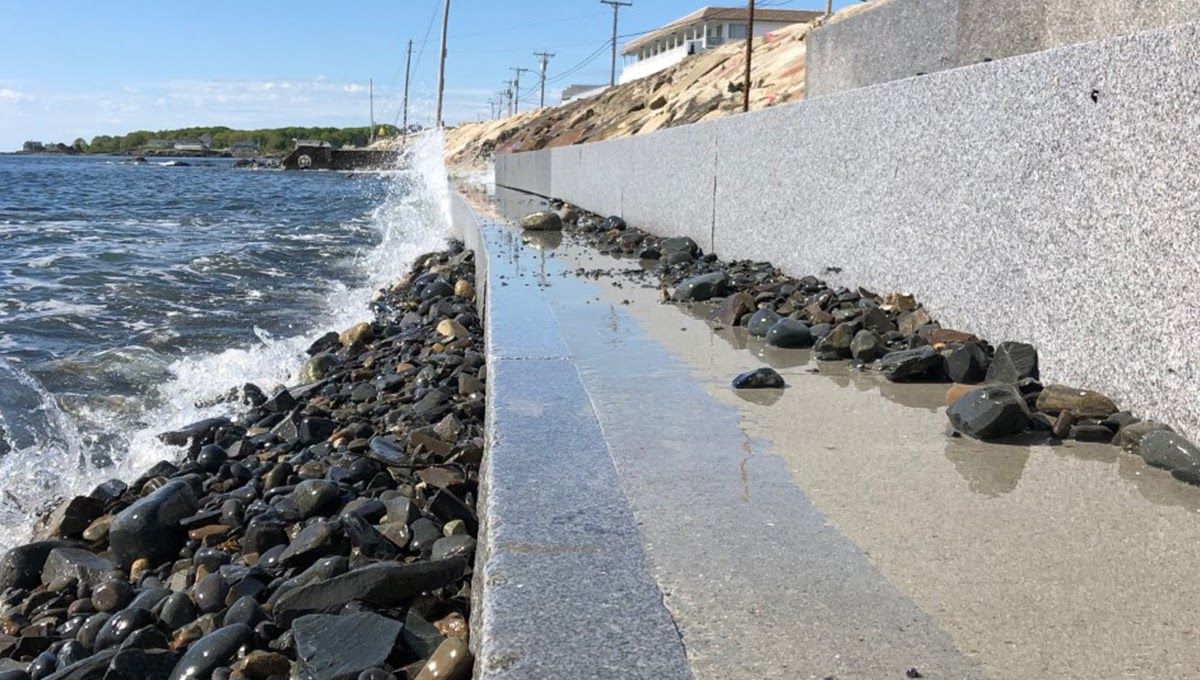
Erosion along a shoreline isn't caused by just one thing. Surface runoff from rain carries sediment toward the water. Waves constantly strike the bank. Stormwater flows push soil loose. Over time, even a gentle body of water like a pond, estuary, or inland lake can cause significant land loss.
Sea level rise makes this worse. As water levels increase, the forces of weather and wave action reach farther inland. What used to be stable ground gradually becomes vulnerable.
How Shoreline Stabilization Works
Stabilization methods vary depending on the type of shoreline, the severity of erosion, and how much disruption to the surrounding ecosystem is acceptable. Some approaches are hard structures. Others work with nature.
Hard Stabilization Structures
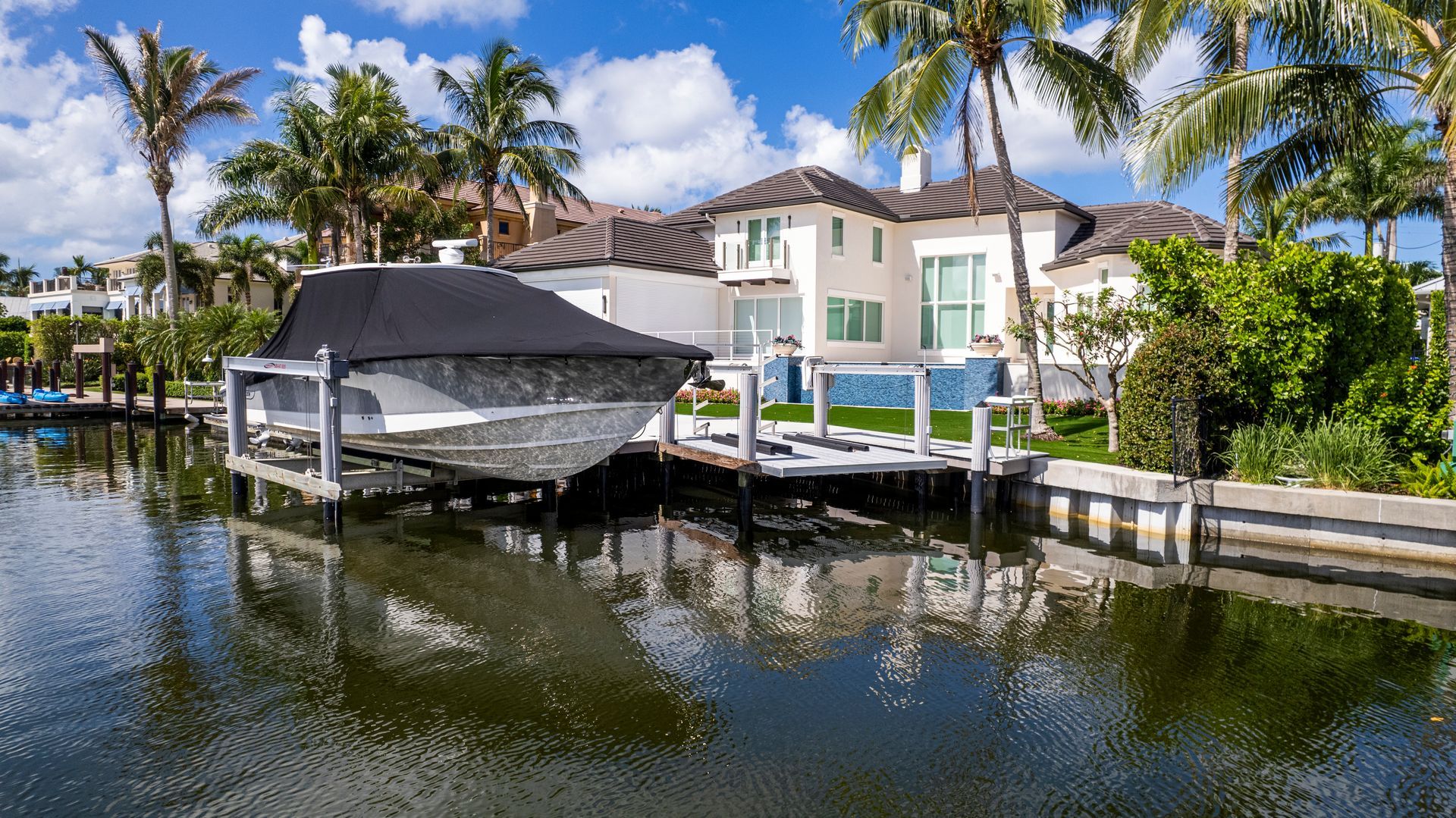
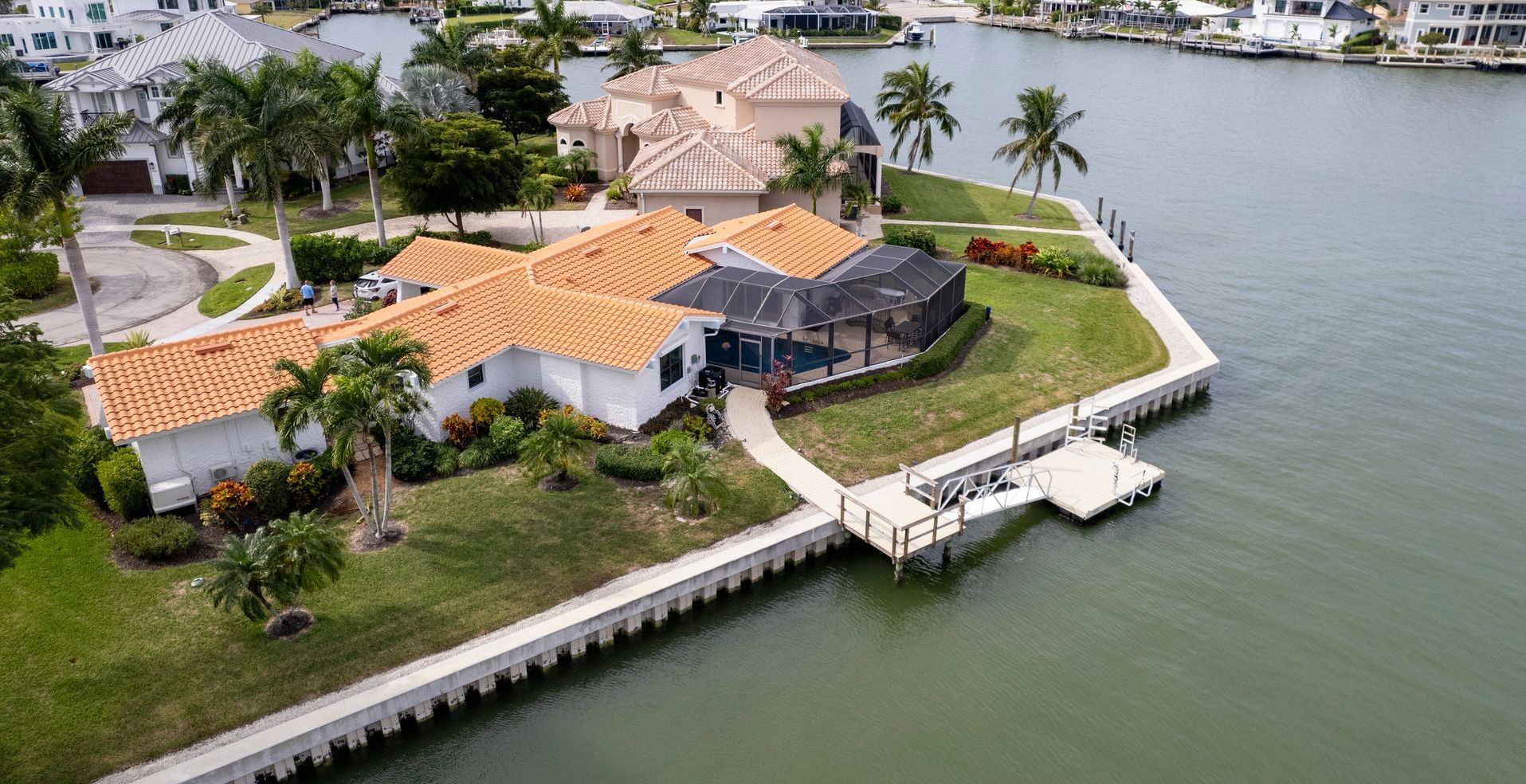
A seawall is one of the most common hard stabilization methods. It acts as a bulkhead or barrier, physically blocking wave energy from reaching the soil behind it. Revetments use layered rock or other materials along the slope of the bank to absorb and redirect that same energy. A retaining wall serves a similar purpose in areas where the land needs structural support.
These solutions are effective and long-lasting, especially in high-energy environments where wave action and flood risk are significant.
Living Shoreline Approaches
A living shoreline uses vegetation, oyster reefs, and native species to stabilize the land through natural means. Plant roots bind the soil together, reducing erosion control challenges while also supporting fish, wildlife, and the broader marine coastal ecosystem.
The National Oceanic and Atmospheric Administration and the National Estuarine Research Reserve System have long supported living shorelines as a way to preserve ecosystem services, including water quality, habitat protection, and nutrient filtration. Native plants like
Typha and other flowering plant species are often used to create a buffer between land and sea.
This approach works well in calmer, lower-energy coastal areas where vegetation has time to establish itself before wave action becomes a threat.
Combining Both Methods
In many cases, the best solution blends hard and soft techniques. A seawall handles the heavy lifting while vegetation along the bank softens wave impact and supports the surrounding ecosystem. Geotextile fabric is sometimes installed beneath the surface to prevent soil migration without disrupting the natural resource above it.
What Happens If You Don't Act
Unchecked erosion doesn't pause. A beach or bank that loses a few inches today can lose several feet within a few storm seasons. Structures on the property shift. Habitat disappears. The estuary or river near your home loses the natural filtration that keeps the water clean. Species that depend on that edge of the ecosystem lose their foothold.
In Collier County, where waterfront property values are high and the coastal environment is irreplaceable, waiting is rarely the right answer.
Who Should Handle Shoreline Stabilization
This isn't a DIY project. Stabilizing a shoreline requires a clear understanding of local water conditions, soil behavior, species that need protection, and the engineering required to keep everything in place through Florida's storm season.
Kalvin & Calvin Marine Construction has been serving Collier County's waterfront communities for over 40 years. If your shoreline is showing signs of erosion, their team can assess the situation and recommend the right approach, whether that's
seawall construction, repair, or another protective method suited to your specific property.
How to Choose the Right Shoreline Stabilization Approach
Shoreline stabilization protects your land, your investment, and the coastal ecosystem around it. Whether the answer involves a seawall, a living shoreline, or a combination of both, acting early makes the solution simpler and the outcome better. If you're seeing erosion at your waterfront property, learn more about your options through Kalvin & Calvin's residential seawall repair and construction services, or call (239) 280-6054 to talk through what your shoreline needs.