Does Homeowners Insurance Cover Seawall Damage After a Storm?
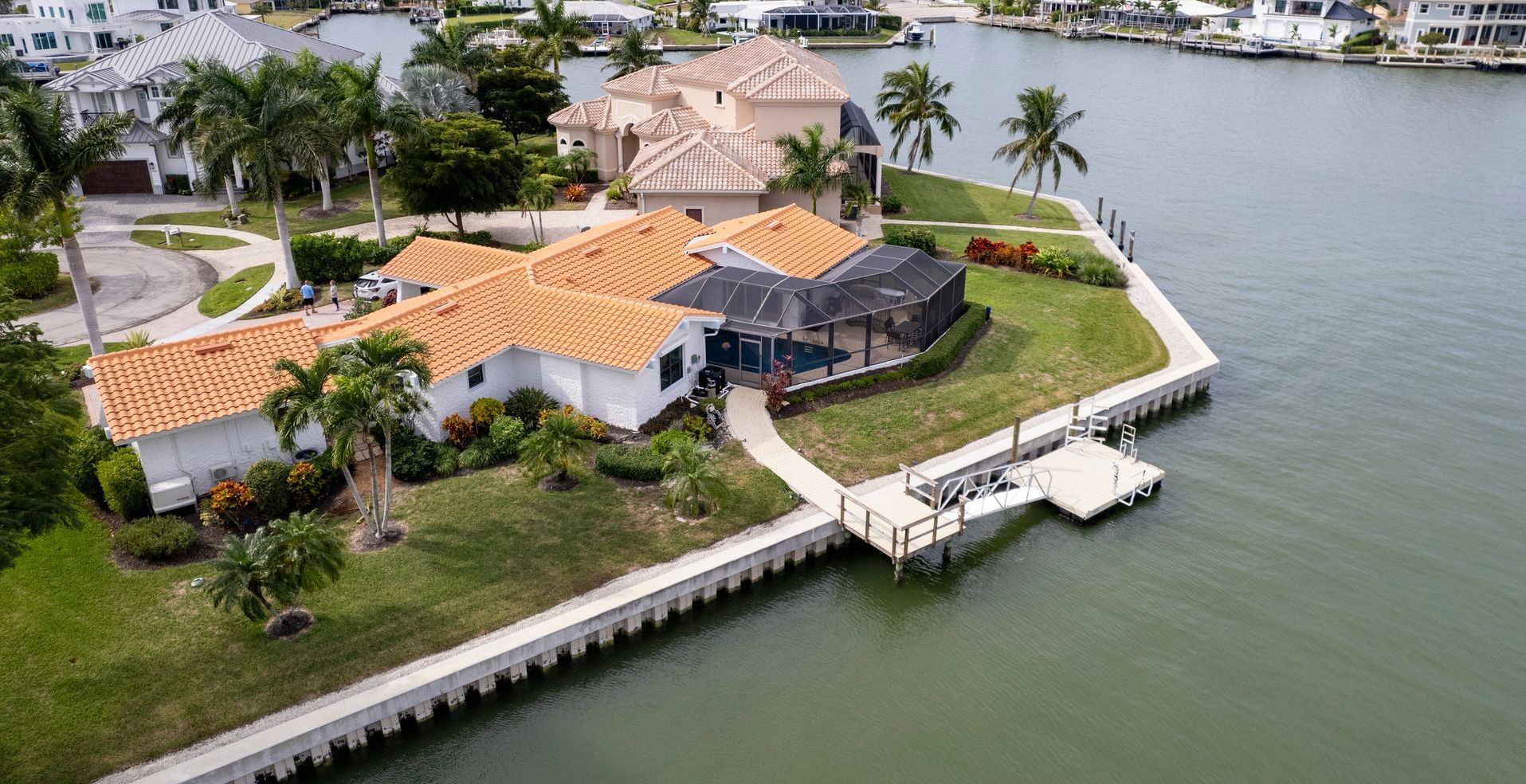
If you own waterfront property in Collier County, your seawall is one of the most important structures protecting your home. So when a storm rolls through and leaves it cracked, shifted, or crumbling, the first question most homeowners ask is: will my insurance cover this?
The short answer is: it depends. And understanding why requires a closer look at how different policies handle storm-related damage to structures like seawalls.
What Standard Homeowners Insurance Typically Covers
A standard homeowners insurance policy is designed to protect your dwelling and personal property from sudden, unexpected damage. If a severe weather event like a windstorm causes direct damage to your seawall, some policies may cover it, but this is far from guaranteed.
Most insurers classify seawalls as "other structures" separate from the main dwelling. Coverage for these structures is often limited, and the cause of damage matters just as much as the damage itself.
The Problem With Water Damage and Seawalls
Here is where things get complicated. Seawall damage from a storm often involves water, and standard homeowners insurance policies typically exclude flood-related damage. If storm surge or rising water contributes to seawall failure, your insurer may deny the claim on those grounds.
This distinction between wind damage and flood damage is critical. Insurers investigate the cause carefully, and if water played a role, you could be left with nothing from your home insurance policy.
Does Flood Insurance Cover Seawall Damage?
Flood insurance, often purchased through the National Flood Insurance Program, is designed to cover flood-related losses. However, the National Flood Insurance Program generally does not cover seawalls, retaining walls, or similar structures as part of its standard dwelling or property coverage.
This leaves many Collier County homeowners in a difficult position: their standard home insurance excludes flood damage, and their flood insurance does not cover the seawall itself. It is a coverage gap that catches people off guard.
What About Marine Insurance or Specialty Policies?
Some waterfront property owners carry marine insurance or specialty coastal policies that offer broader protection. These can sometimes include coverage for structures like docks and seawalls, but the terms vary widely by insurer and policy.
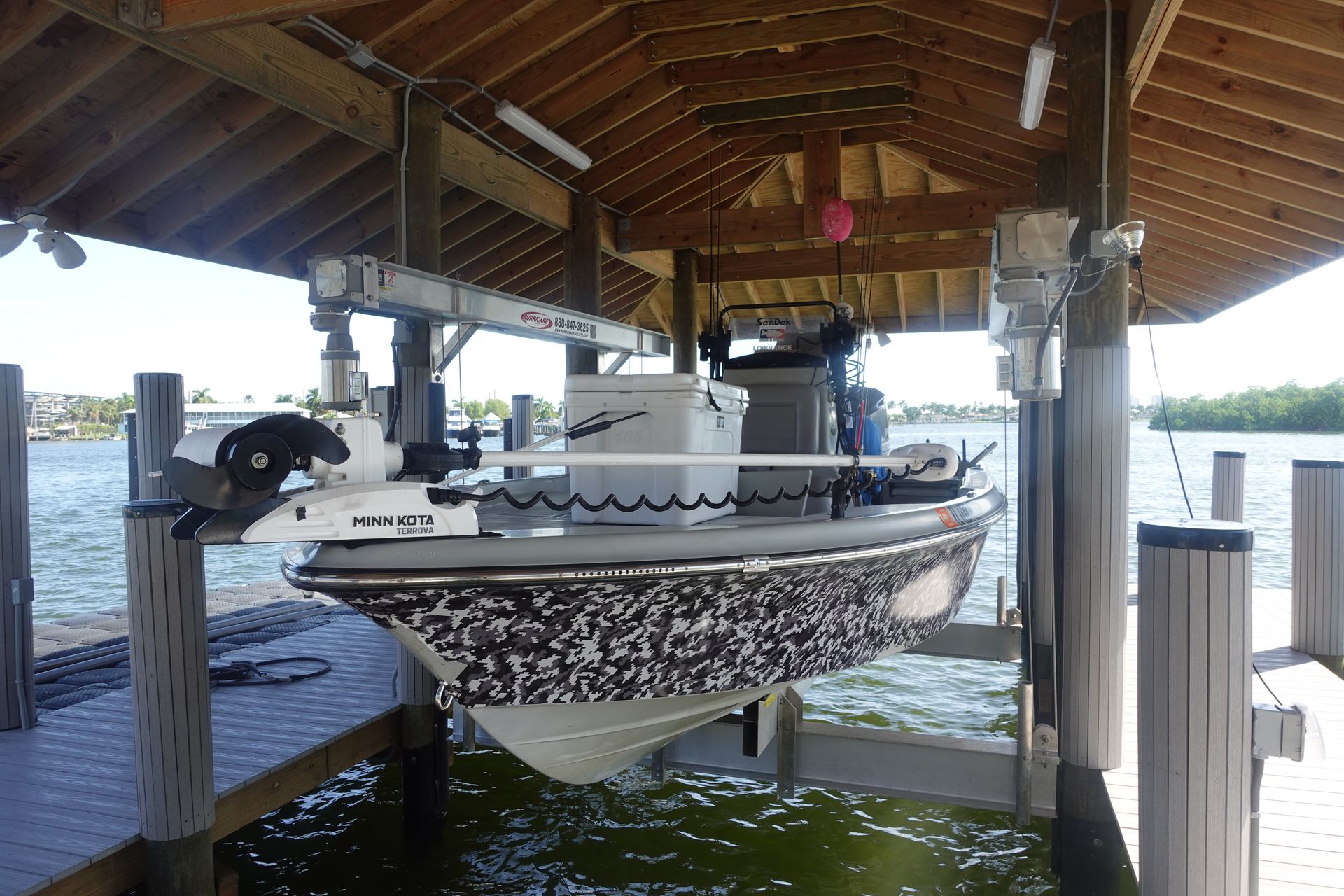
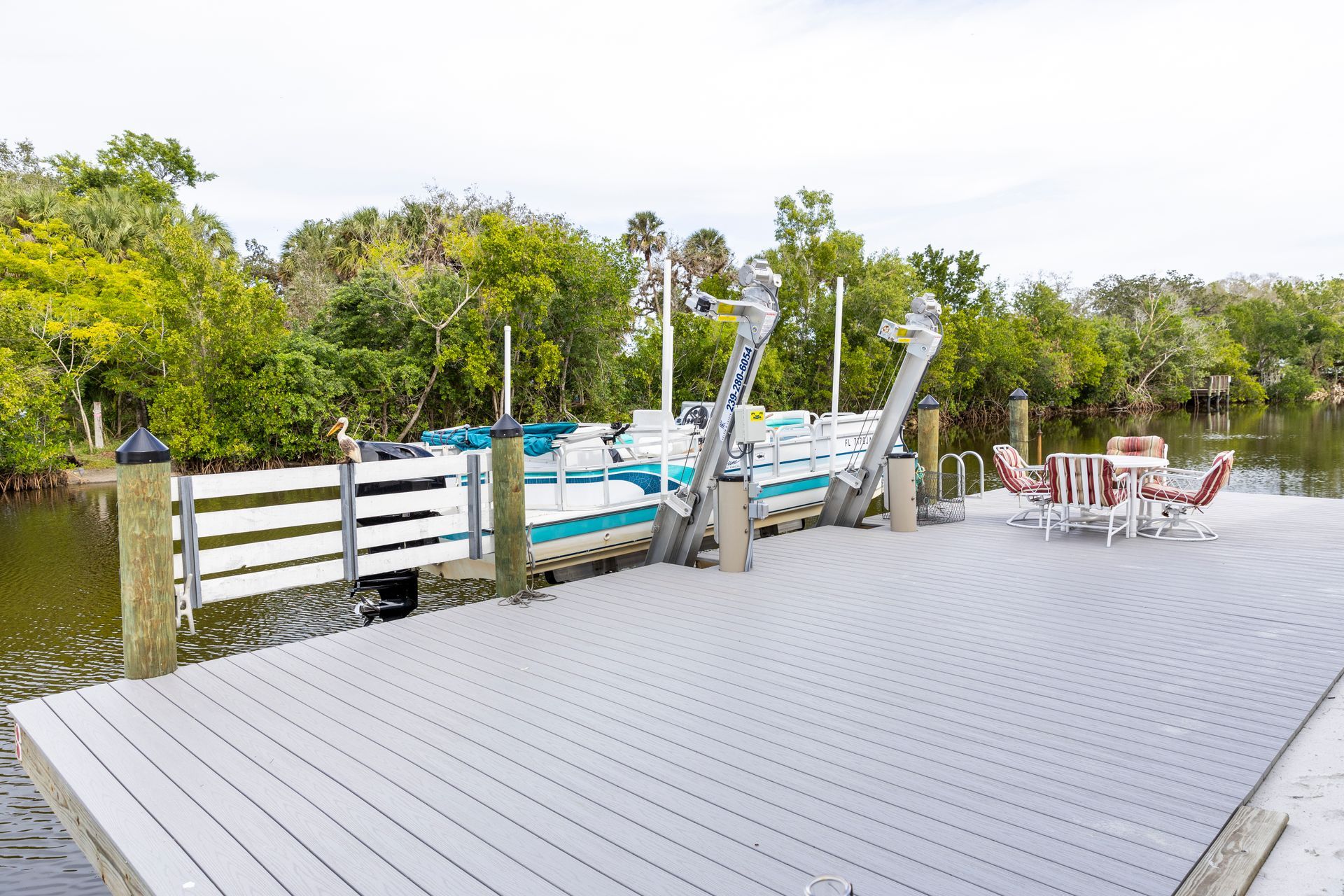
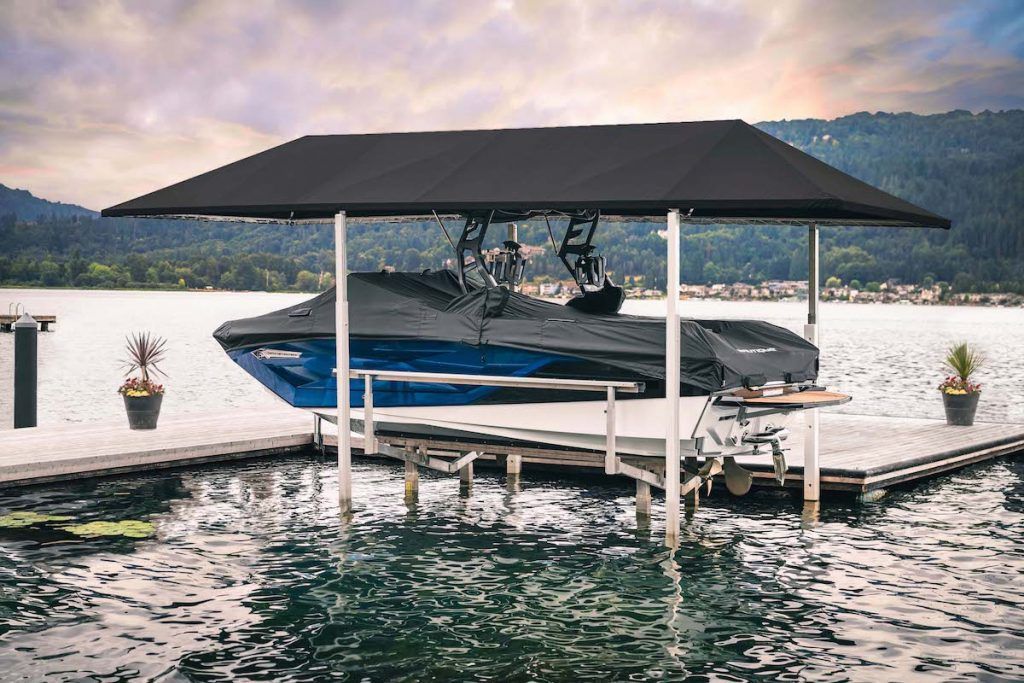
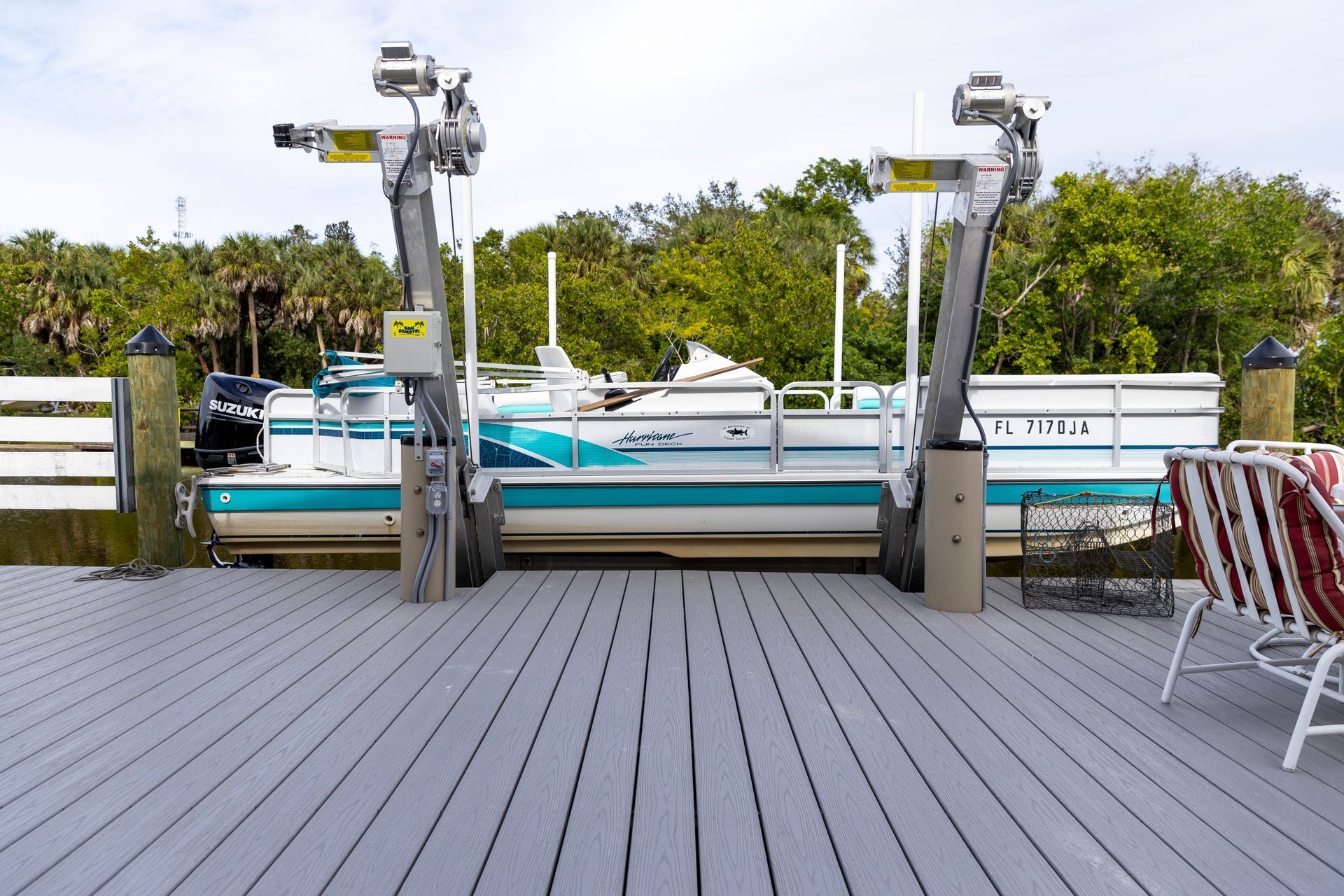
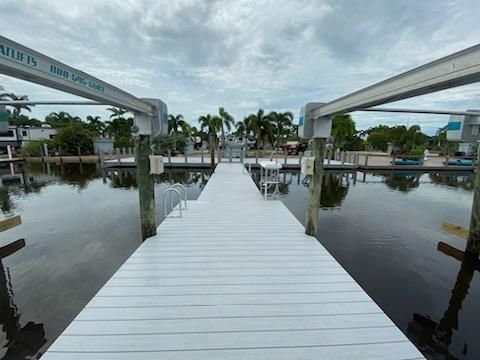
If you have a boat and dock in addition to your seawall, it is worth reviewing all your policies together. You may find overlapping exclusions or, in some cases, coverage you did not know you had.
Key Factors That Affect Your Claim
When filing a claim for seawall damage after a storm, insurers will typically evaluate:
The primary cause of damage (wind vs. flood vs. long-term erosion)- Whether the damage was sudden or the result of gradual deterioration
- The specific language of your insurance policy regarding "other structures"
- Your deductible and whether the repair costs exceed it
Documenting damage thoroughly and quickly is essential. Photos, professional inspections, and written assessments can support your claim and prevent disputes with your insurer.
Why a Professional Seawall Inspection Matters
Before you contact your insurance company, it helps to know exactly what you are dealing with. A professional seawall inspection gives you a clear picture of the damage, its likely cause, and the scope of repairs needed.
This documentation is not just useful for insurance purposes. It also ensures that any repair work addresses the actual problem rather than just the visible symptoms.
What Homeowners Should Know Before Filing a Seawall Claim
Insurance coverage for seawall damage after a storm is rarely straightforward. Gaps between home insurance and flood insurance policies often leave waterfront property owners responsible for costly repairs on their own.
If your seawall has taken a hit, the smartest first step is getting a professional assessment. Kalvin & Calvin Marine Construction has served Collier County waterfront properties for over 40 years.
Contact us at (239) 280-6054 or learn more about our
residential seawall repair and construction services to get started.