Yes, Floating Docks Require Permits - Here's Why
So you've been thinking about installing a floating dock on your waterfront property. Maybe you want a better way to access your boat, a spot to launch your kayak, or simply a platform to enjoy the water. It sounds straightforward enough - until someone mentions permits, and suddenly you're wondering how complicated this is going to get.
The short answer is yes, floating docks do require permits. But the reasons why are actually worth understanding, because they explain a lot about what the process involves and why skipping it is never a good idea.
What Makes a Floating Dock Different From a Fixed One?
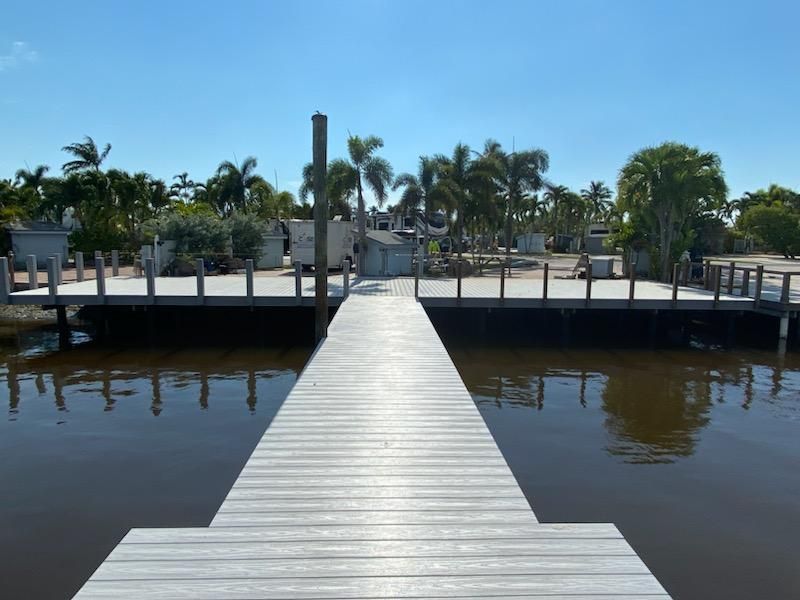
A floating dock, sometimes called a floating jetty, sits on the water's surface and rises and falls with the tide. Unlike a fixed pier or a structure built on pilings driven into the seabed, a floating dock moves. You might assume that because it's not a permanent structure, it doesn't need a permit. That assumption gets a lot of property owners into trouble.
From a regulatory standpoint, the distinction between floating and fixed matters less than you might think. What regulators care about is the impact on the water, the aquatic ecosystem, and the surrounding environment - not whether the dock is bolted to the bottom.
Why Floating Docks Are Subject to Permits
They Affect Navigable Waters
In the United States, any construction that takes place in, over, or near navigable waters falls under federal oversight. The United States Army Corps of Engineers (USACE) has authority over waterways that are considered navigable, which includes most coastal areas, bays, rivers, and tidal zones. Even a relatively small floating dock can require a permit from the Corps depending on its size, location, and intended use.
In Collier County, Florida, that means waterfront properties along Naples Bay, Marco Island, the coast near Everglades City, and similar areas are almost certainly subject to this oversight.
Environmental Impact Is Taken Seriously
Floating docks shade the water beneath them, which affects aquatic vegetation and can disrupt the local ecosystem. Wetlands near the shoreline are particularly sensitive, and regulators in Florida take the protection of these areas seriously.
When you apply for a permit, part of the process often involves something close to an environmental impact assessment - an evaluation of how your dock will affect water quality, tidelands, surrounding vegetation, and the broader aquatic environment. Environmental protection isn't just a bureaucratic checkbox here. It's the core reason these rules exist.
Local Ordinance and Zoning Add Another Layer
Beyond federal law, you're also dealing with state and local jurisdiction. Florida has its own permitting requirements through agencies like the Florida Department of Environmental Protection, and Collier County has local ordinances and zoning regulations that govern what you can build along the shore.
That means a floating dock project may need to satisfy multiple layers of approval before a single piece of equipment is placed in the water. Getting one permit doesn't automatically satisfy the others, and that's where property owners often get tripped up.
What Happens If You Skip the Permit?
Some people decide to move forward without a permit, thinking no one will notice or that the dock is small enough to fly under the radar. This is a serious mistake.
Unpermitted dock construction can result in:
- Fines and enforcement actions from state or local authorities
- Orders to remove the structure at your own expense
- Complications when selling your property, since unpermitted improvements can delay or kill a real estate transaction
- Potential liability if the dock causes environmental damage or blocks navigation
Beyond the legal consequences, an unpermitted structure may not be built to code, which raises safety concerns for anyone using a boat lift, davit, or watercraft stored alongside it - whether that's a boat, a jet ski, or another vessel.
What the Permit Process Actually Involves
The exact requirements vary depending on your specific location, the size of the dock, and how it will be used. But in general terms, you can expect the process to include:
- Site evaluation: Regulators or inspectors will look at your shoreline, the water depth, what type of bulkhead or seawall exists, and what's nearby - including any wetlands, tidelands, or protected habitat.
- Application and documentation: You'll typically need to submit plans that show the dock's dimensions, placement, materials, and how it connects to the shore. Some projects require drawings from a licensed designer or engineer.
- Agency review: Depending on the scope, your application may go through local review, state environmental review, and in some cases federal review through the USACE.
- Approval and conditions: If approved, your permit will usually come with conditions - restrictions on size, height, lighting, or materials - that must be followed during construction.
The timeline varies, but it's not uncommon for the permitting process to take several weeks to a few months. Working with someone who knows the local system can make a significant difference in how smoothly it goes.
Do Floating Docks Require Permits? Here’s What to Know
Collier County's waterfront environment is unique. The mix of coastal waters, tidal zones, protected ecosystems, and local regulations makes it different from a lot of other places. What applies in one part of the county may not apply the same way in another.
That's why local experience matters.
Kalvin & Calvin Marine Construction has been working along this coastline for over 40 years, helping property owners navigate exactly this kind of process. From initial planning through final construction, the team understands what the regulators are looking for and how to build a dock that meets code, protects the environment, and serves the property owner's needs for years to come.
Conclusion
Floating docks require permits because they affect navigable water, local ecosystems, and protected coastal environments - and Collier County takes all of that seriously. The process can feel complex, but it's manageable with the right guidance.
If you're
planning a dock project and want help understanding what's required for your specific property,
reach out to Kalvin & Calvin Marine Construction at
(239) 280-6054. Their team has the local knowledge to help you get it done right.