What It Really Costs to Replace a Seawall
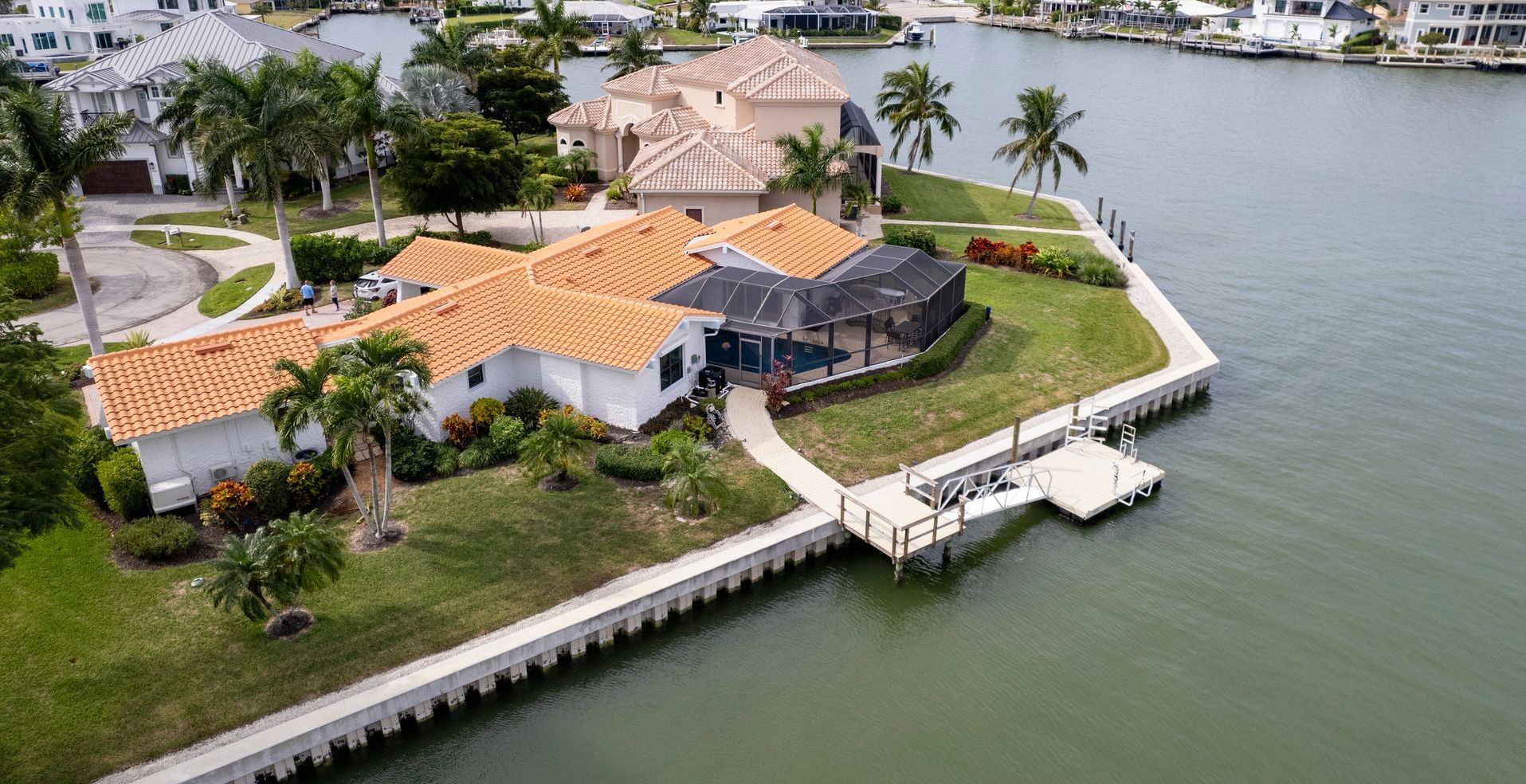
If you own waterfront property in Collier County, your seawall replacement is one of the most important structural investments you have. It protects your land, your dock, and your home from erosion, storm surge, and the constant push and pull of tidal water. But when it starts to fail, the question that comes up fast is: what is this actually going to cost me?
The honest answer is that it depends, but that does not mean you should go in blind. Here is a realistic breakdown of what drives seawall replacement costs and what you should expect if you are facing this decision in South Florida.
Why Seawall Replacement Is Not a Simple Number
Seawall replacement pricing is not like replacing a roof or a driveway. The cost is shaped by a combination of factors that are unique to marine construction. Things like soil conditions, water type, wall height, accessibility, and local building code requirements all play a role.
In general terms, most homeowners in the United States can expect to pay somewhere between $15,000 on the lower end and $60,000 or more for a full seawall replacement. In coastal markets like Collier County, costs often land toward the higher end of that range due to permitting complexity, saltwater corrosion concerns, and the engineering demands of working along the coast.
Key Factors That Influence the Cost
Material Choice
The material you choose is one of the biggest cost drivers. The most common options are vinyl, concrete, and steel.
- Vinyl Seawall Construction - also called polyvinyl chloride or PVC sheeting - has become increasingly popular because it resists corrosion, requires less maintenance, and performs well in both saltwater and freshwater environments. It is typically more affordable upfront and has strong longevity in marine environments.
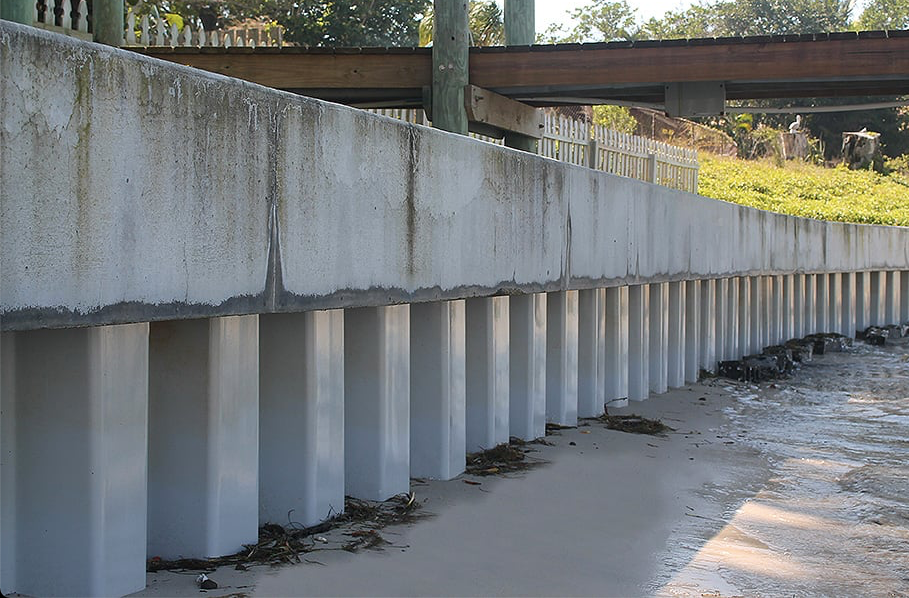
- Concrete Sea Wall Construction is a heavier-duty option often used in high-energy water zones where wave action and storm surge are significant concerns. It tends to cost more due to the weight of materials and the complexity of installation, but it offers durability and a solid track record along the coast.
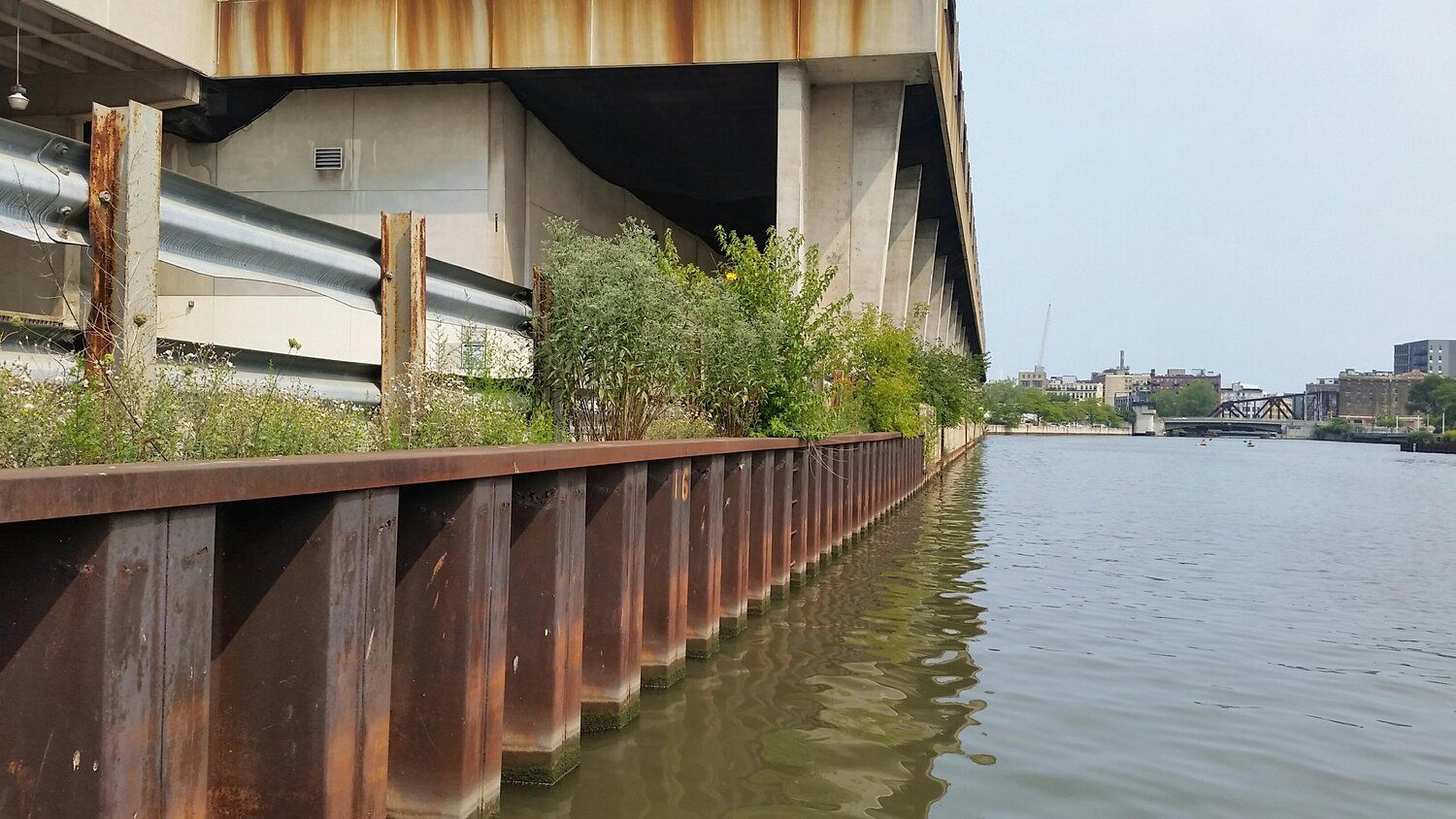
- Steel is another option, though it is less common in South Florida residential applications due to its susceptibility to corrosion in saltwater. It is more frequently seen in commercial projects where the design or load requirements call for it.
- Wood seawalls still exist, particularly on older properties, but they are rarely installed new today. They degrade faster in saltwater, are more prone to erosion damage, and offer less longevity compared to modern materials.
Linear Footage
The price of a seawall replacement is almost always calculated per linear foot. In South Florida, you can expect to pay roughly $500 to $1,200 or more per foot depending on materials, conditions, and scope of work. A typical residential seawall might run 50 to 150 feet or longer, which is why total project costs can climb quickly.
Soil and Site Conditions
The soil beneath and behind your seawall matters more than most people realize. Clay-heavy soils, loose fill, or areas with significant erosion can add complexity and expense to any project. In some cases, riprap, which is a layer of large stone or other material, is added to the base or face of the wall to improve stability and protect the surrounding marine habitat.
Poor soil conditions can also mean additional engineering work, deeper piling requirements, and longer project timelines. All of that adds to the final budget.
Permitting and Inspections
In Collier County, seawall construction requires proper permitting. Depending on the location and proximity to protected water bodies, projects may also need review from agencies such as the United States Army Corps of Engineers. This is not something to shortcut. Working with an experienced marine construction team means the permitting process is handled correctly the first time, which saves you from costly delays or compliance issues down the line.
A
professional seawall inspection is often the starting point before any replacement work begins. It helps identify the true scope of the problem and informs the design and material decisions that follow.
Accessibility
Can a barge or equipment reach your property easily? Or is your seawall tucked into a tight canal with limited access? Accessibility directly impacts labor costs and the type of equipment that can be used. Properties on Naples Bay, Marco Island, or along tighter inland waterways may have different logistical challenges than those on open water.
What About Repairs Instead of Full Replacement?
Sometimes a full replacement is not necessary. Depending on the condition of the existing wall, targeted repairs - such as patching spalling concrete, adding tiebacks, or addressing localized erosion - can extend the life of a seawall at a fraction of the replacement cost.
That said, a seawall that is bowing, cracking significantly, or showing signs of widespread failure is typically better addressed with a full replacement. Patching a structurally compromised wall can become an ongoing expense that eventually costs more than starting fresh.
The Long-Term Investment Perspective
A properly built seawall protects far more than just the edge of your property. It protects your land, your dock, your landscaping, and in some cases the structural integrity of your home itself. When you factor in the cost of erosion damage or flood-related repairs that a failing seawall can cause, the investment in replacement often pays for itself many times over.
Choosing
the right contractor matters as much as choosing the right material. A team with deep local experience understands the coastal conditions, the permitting environment, and the engineering demands specific to Collier County waterfront properties.
What to Know Before Replacing Your Seawall
Seawall replacement is a significant expense, but it is one of the most important investments a waterfront property owner can make. The actual cost depends on materials, footage, site conditions, and permitting, but you should not have to figure that out alone. If you are concerned about the condition of your seawall, start with a professional evaluation.
Learn more about what goes into the process by exploring our
residential seawall repairs & construction services or call Kalvin & Calvin Marine Construction at (239) 280-6054 to
schedule an assessment.