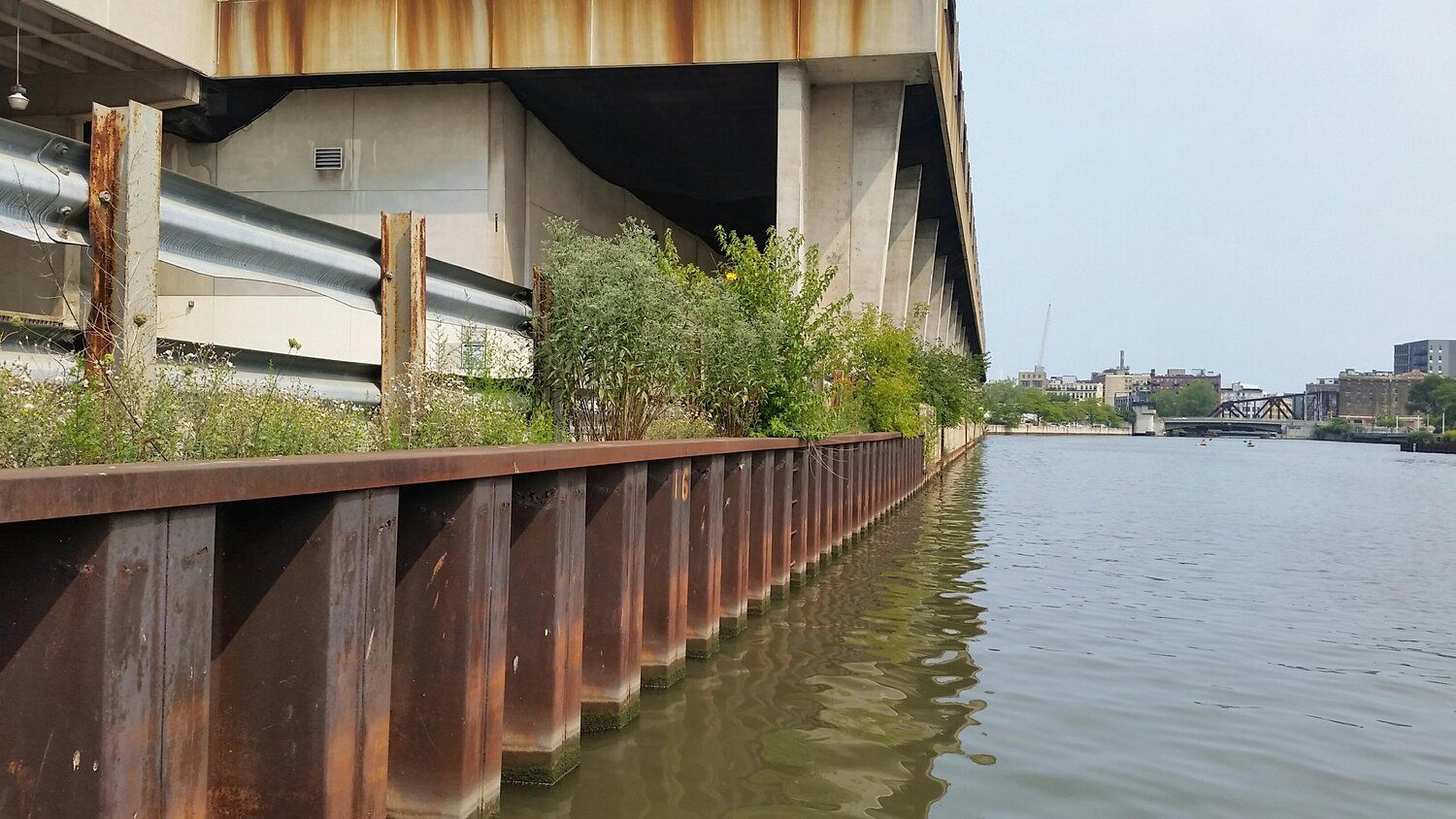
How Dock Pilings Are Installed, Step by Step
If you've ever stood on a dock and looked down at the water below, you might have wondered what's actually holding the whole thing up. It looks simple enough from the surface, but underneath that deck is a system of pilings driven deep into the ground, working hard against tide, current, boat traffic, and time.
Installing dock pilings is a process that takes real skill, the right equipment, and a solid understanding of what's beneath the water. Here's a clear breakdown of how it works, from the first site assessment to the final piling locked in place.
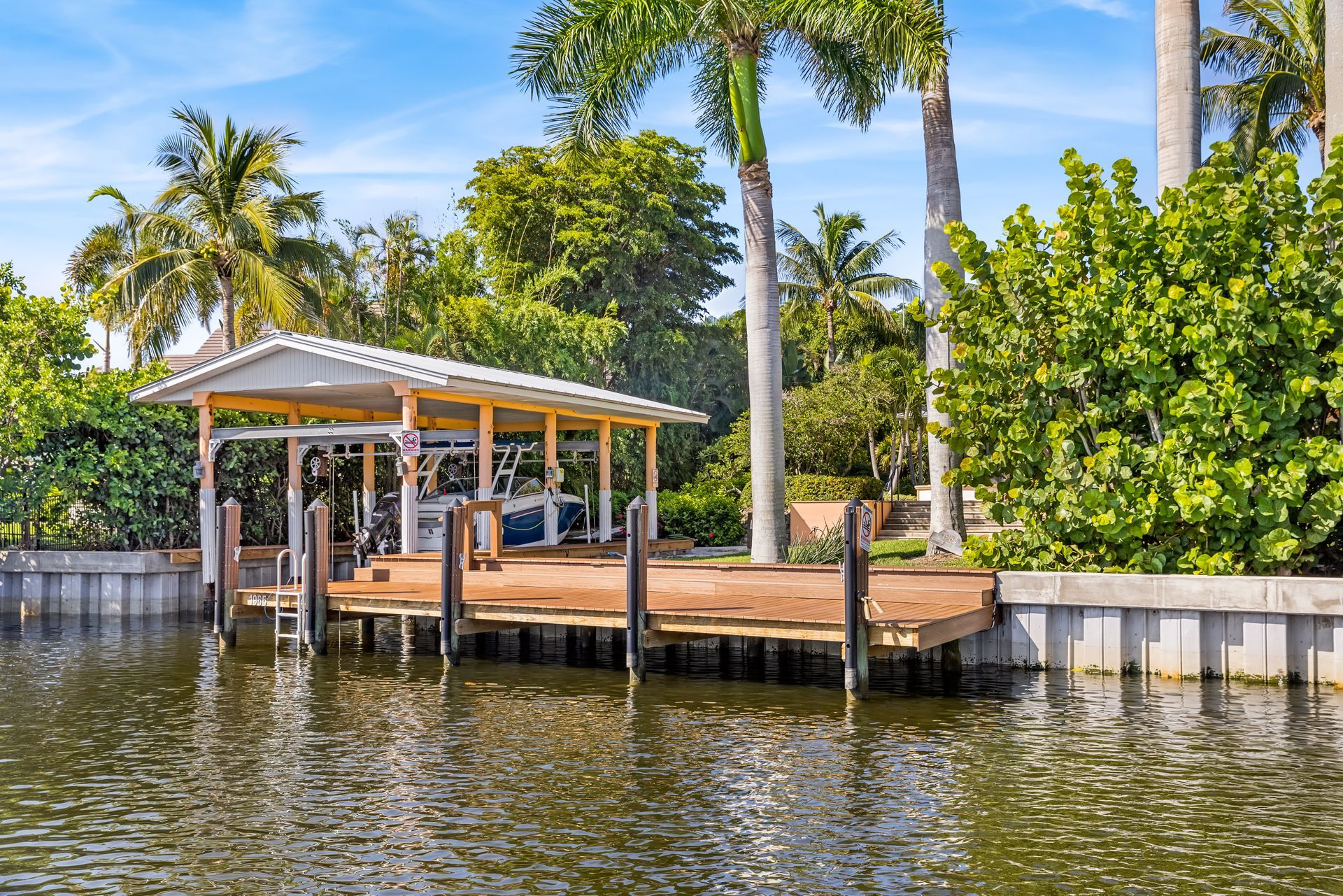
What Is a Dock Piling, Exactly?
A dock piling is a long, vertical post driven into the floor of a waterway to support a dock, pier, or marina structure above. Think of it like the foundation of a building, except it's submerged, constantly exposed to seawater, and dealing with things like corrosion, shifting soil, and wave action.
Pilings transfer the weight of the dock and everything on it - boats, equipment, people - down into stable ground below the soft top layer of mud or sand. The deeper and more securely they're set, the stronger the dock.
What Are Dock Pilings Made Of?
The material you choose matters a lot, especially in a saltwater environment like Collier County, Florida. Each option has trade-offs in terms of cost, durability, and maintenance.
Wood is the most traditional choice. Southern yellow pine treated with preservatives like creosote or other wood preservation chemicals has been used for generations. Hardwood options like greenheart are also used in marine construction for their natural resistance to rot and marine borers. The downside is that even treated lumber breaks down over time, especially in warm, active water.
Concrete and reinforced concrete pilings offer excellent durability and resistance to corrosion. They're heavy, which makes installation more complex, but they can last for decades with minimal maintenance.
Steel pilings are strong and work well in certain applications, though they're particularly vulnerable to corrosion in seawater without proper coating or galvanization.
Polyvinyl chloride (PVC) and composite pilings have grown in popularity because they resist rot, insects, and corrosion. They don't carry the same load capacity as concrete or hardwood, but they're a solid option for
residential docks with reasonable weight demands.
For most residential docks in Collier County, treated wood and composite materials are the most common choices, balancing budget with long-term performance.
The Tools That Drive Pilings Into the Ground
You can't just push a piling into the seabed with your hands. The two main methods used in marine construction rely on either force or water.
Pile Drivers
A pile driver is a machine that uses a heavy hammer - either dropped mechanically or driven by hydraulic pressure - to pound pilings straight down into the soil. The repeated impact compresses the surrounding material and forces the piling to the required depth.
This is one of the oldest and most reliable methods in construction. It works especially well in sandy or mixed-soil conditions where the ground can compact around the piling for a tight hold.
Water Jetting
Water jetting is a technique where a pump forces pressurized water through a hose and pipe down alongside or through the piling. The high-pressure stream acts almost like a water jet cutter, liquefying the soil, sand, or clay around the tip so the piling can be pushed or vibrated into place.
Once the piling reaches the right depth, the water flow stops. The surrounding material - whether it's sand, clay, or mud - settles back around the piling as it dries, locking it in place. This method is particularly common in Florida's soft, sandy waterfront conditions.
Some crews use both methods together depending on what they encounter as they go deeper.
Step-by-Step: How Dock Pilings Are Installed
Let's walk through the actual installation process so you can picture what's happening when you see a crew working on the water.
1. Site Assessment and Planning
Before any equipment touches the water, a qualified marine construction team evaluates the site. This includes understanding the water depth, bottom conditions, tidal patterns, and what's below the surface. Soil composition - whether it's sand, clay, or mud - directly affects which installation method and piling material will work best.
Permits are also part of this phase. In Collier County, dock construction requires proper permitting and compliance with local and state environmental regulations.
2. Layout and Positioning
Once planning is complete, the crew marks the exact location of each piling based on the dock design. Positioning has to be precise because the spacing of pilings determines how loads are distributed across the entire structure. Get this wrong, and you'll have a dock that shifts, bounces, or wears unevenly over time.
For work on open water, a barge or work platform is positioned to give the crew stable footing and a base for the equipment.
3. Driving or Jetting the Piling
This is where the real work begins. Depending on the method chosen, either the pile driver or water jetting equipment is set up above the target point.
With jetting, the pump is activated, water flows through the hose and pipe, and the piling is guided down as the soil loosens. The crew watches depth carefully, often using a wood auger or sounding equipment to check conditions as they go.
With pile driving, the hammer is positioned above the piling head, and the process begins - strike after strike driving the piling lower until it reaches the required embedment depth.
For reference, a residential dock piling in Collier County might need to be driven anywhere from 8 to 15 feet or more into the seabed, depending on soil stability.
4. Checking for Plumb and Alignment
Every piling has to be vertical, or "plumb," and aligned with the others. Even a small lean can throw off the entire dock structure. The crew checks each piling with a level or laser tool before moving on. Adjustments are made while the piling can still be shifted, not after everything has set.
5. Cutting to Final Height
Pilings are typically installed a bit long on purpose, then cut to the exact height needed once they're all set. This ensures a level, even surface for attaching the stringers, beams, and decking that make up the dock platform. Clean cuts also give the dock a professional, finished appearance.
6. Attaching the Framework
With all pilings installed and cut to height, the structural framing begins. Horizontal beams, sometimes called stringers or bents, are bolted to the pilings to create the skeleton of the dock. Hardware used here is typically stainless steel or hot-dip galvanized to resist corrosion in the marine environment.
From there, decking boards are laid, cleats are installed, and any additional features like boat lifts, ladders, or lighting are added.
Why Proper Piling Installation Matters More Than You Think
A dock that looks good on the surface can still fail if the pilings underneath weren't installed correctly. Problems show up over time - pilings that lean, rot prematurely, or pull loose during a storm. In a place like Collier County, where weather can shift dramatically and hurricane season is real, poorly installed pilings are a serious liability.
The depth of embedment, the quality of the material, the treatment or coating applied, and the method used all contribute to how long a dock holds up. Cutting corners on any of these is a decision that usually costs more in repairs than it saved in the beginning.
Corrosion, marine borer activity, and storm surge are not hypothetical concerns here - they're the actual conditions your dock will face. Good installation accounts for all of them from the start.
Frequently Asked Questions
How long do dock pilings last?
It depends on the material and how they were treated. Creosote-treated wood pilings can last 20 to 30 years or more. Composite and PVC pilings often carry warranties of 25 years or longer. Reinforced concrete pilings can last 50 years or more with proper installation.
Can I replace just one piling?
Yes, individual pilings can be replaced without tearing out the entire dock. If you notice one that's leaning, cracked, or showing signs of rot, replacing it early prevents further damage to the surrounding structure.
What happens if the soil conditions are unpredictable?
Experienced crews know how to adapt. Collier County's waterfront terrain varies considerably - from soft sand and mud in some areas to firmer mixed-soil conditions in others. Professionals assess conditions as they go and adjust their method and embedment depth accordingly.
Does the installation disturb the surrounding area?
It can cause some temporary turbidity in the water during jetting, and pile driving produces noise and vibration. A professional team minimizes these impacts by planning the work carefully and following environmental guidelines.
How Dock Pilings Are Installed to Last
Installing dock pilings correctly is what separates a dock that lasts from one that doesn't. Every piling, every depth check, every beam connection adds up to a structure that either holds or fails when real conditions arrive.
At
Kalvin and Calvin Marine Construction, this kind of detail-oriented work is what the team has been doing for over 40 years along Collier County's waterfront. If you're planning a new dock or replacing aging pilings,
reach out at
(239) 280-6054 to talk through your project with people who know these waters well.