Boat Lift Cost: What You'll Actually Pay
If you own a boat and a dock in Collier County, you've probably asked yourself whether a boat lift is worth it. The short answer is yes. The longer answer involves understanding what drives the cost, what you get for your money, and why cutting corners here tends to backfire fast.
Let's break it down in plain terms.
What Is a Boat Lift and Why Does It Matter?
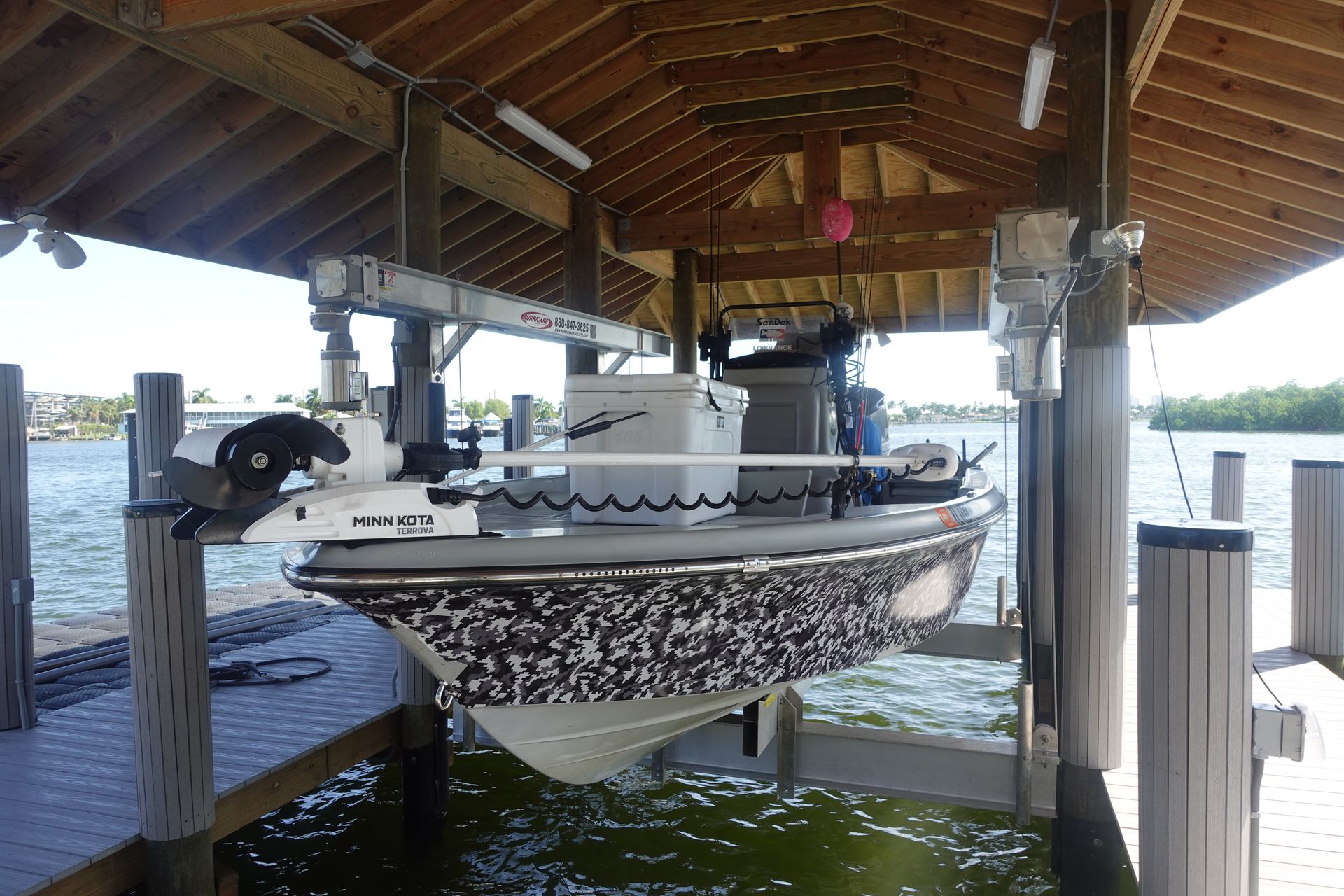
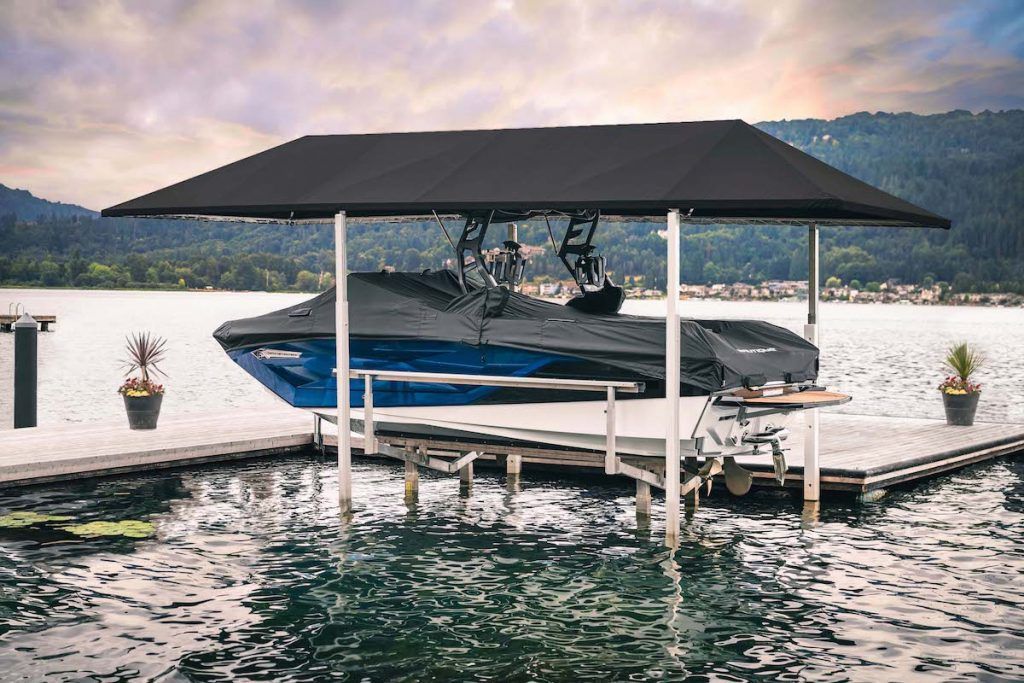
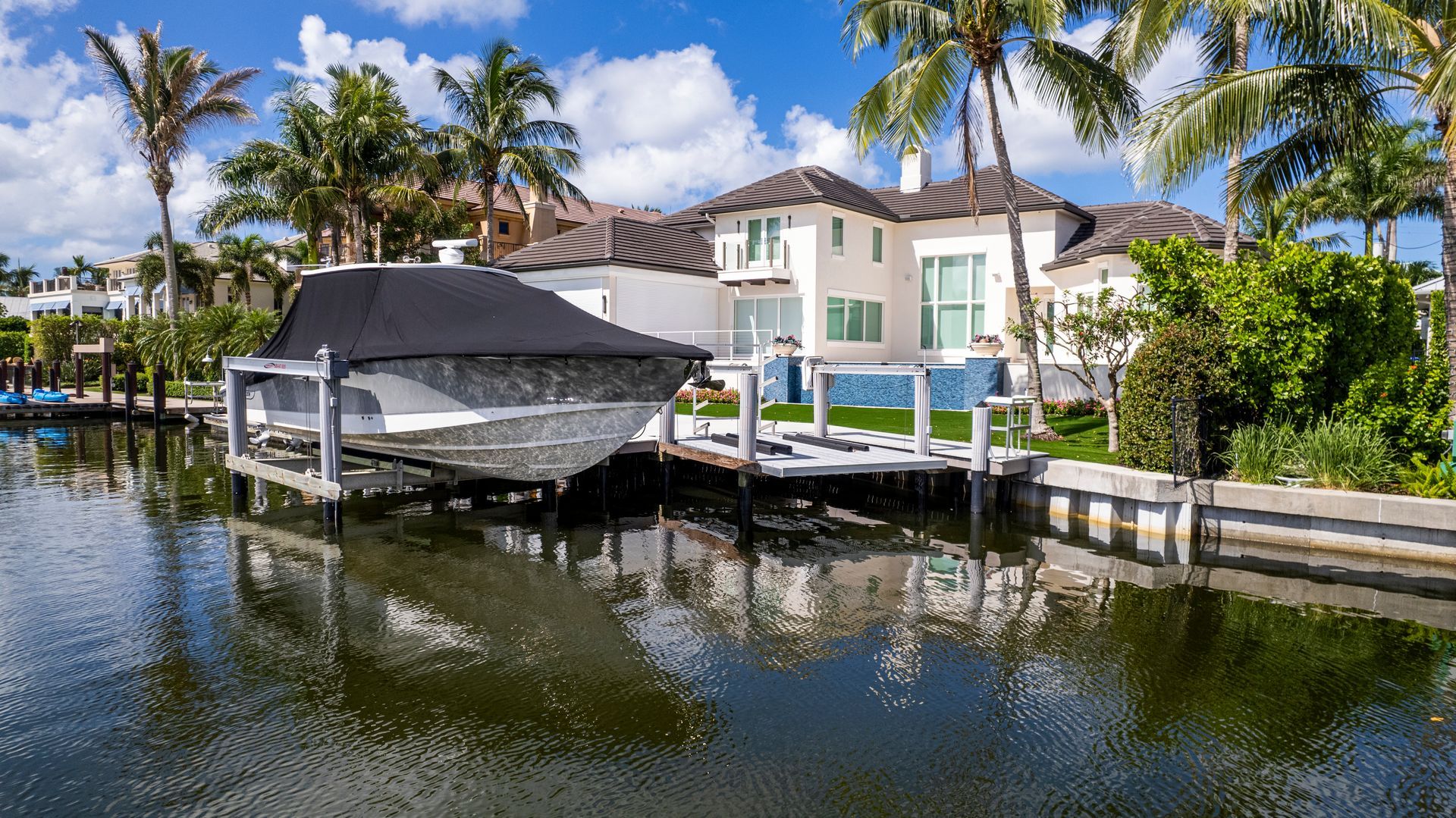
A boat lift is exactly what it sounds like - a mechanical system that raises your boat out of the water when it's not in use. Think of it less like a garage and more like an elevator for your vessel. It keeps the hull dry, protects against corrosion from seawater, and prevents marine growth from attaching to the bottom.
In Southwest Florida's saltwater environment, leaving a boat sitting in the water is a recipe for expensive damage. A lift is not just a convenience - it's a form of long-term protection for a major investment.
How Much Does a Boat Lift Cost? The Real Numbers
Most homeowners are surprised by the range. Boat lift pricing spans widely depending on the type, capacity, and features you choose.
Here's a general breakdown of what you can expect to pay:
- Entry-level lifts for smaller boats (up to 2,000 lbs of vehicle weight): roughly $2,000 to $3,000
- Mid-range lifts for mid-size boats (up to 5,000 lbs of vehicle weight): typically $5,000 to $8,000
- Heavy-duty lifts for larger vessels (up to 10,000 lbs of vehicle weight): commonly $10,000 to $18,000
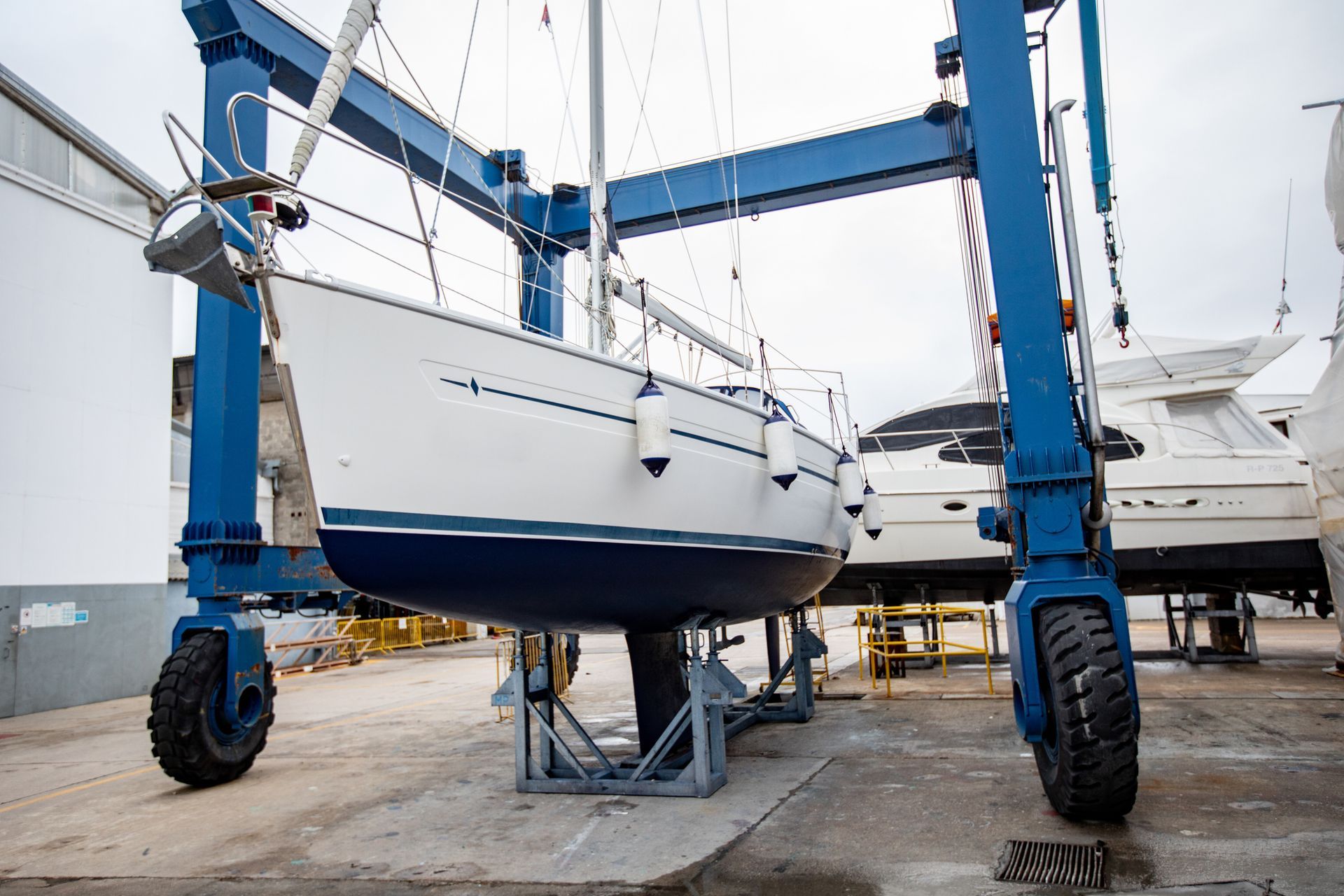
- High-capacity commercial or specialty lifts (up to 25,000 lbs of vehicle weight and beyond): $18,000 to $25,000 or more
These figures cover the lift itself. Installation, pilings, permits, and dock modifications are additional costs that often surprise buyers.
What Drives the Price Up (or Down)?
Lift Type and Mechanism
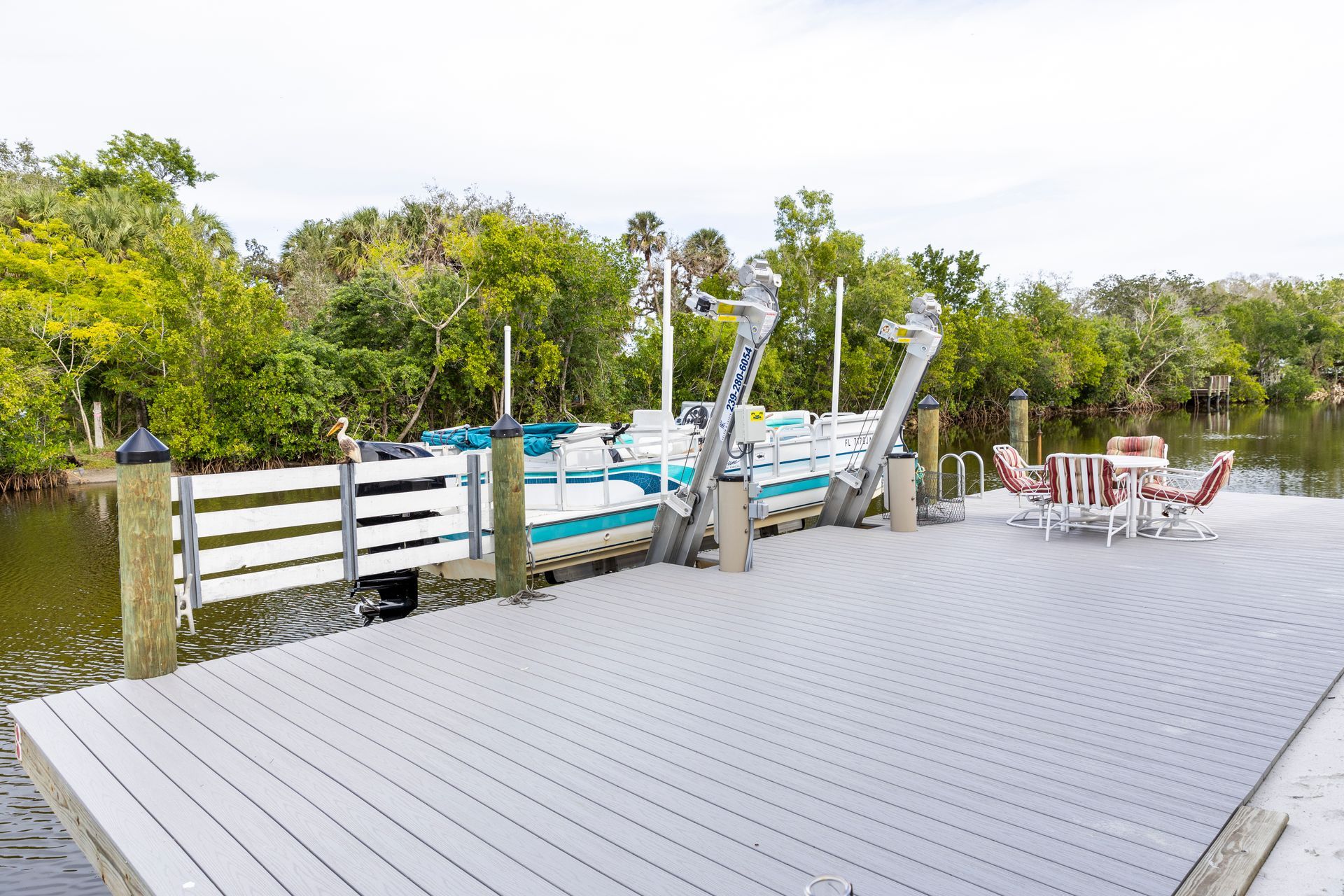
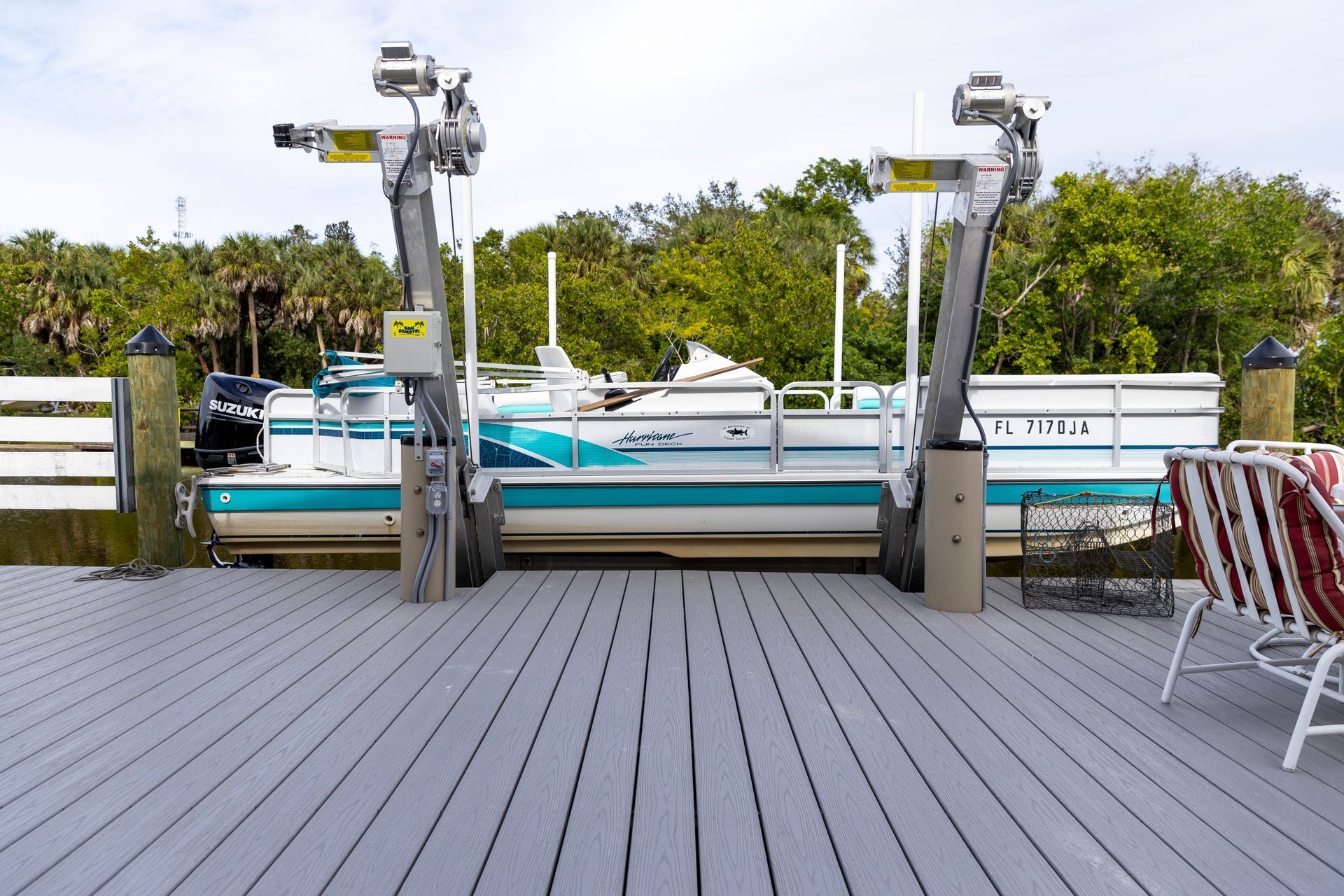
There are several types of powered lifts on the market. The two most common are hydraulic systems and electric motor systems. A HydroHoist Boat Lift, for example, uses a submerged tank and hydraulics to float the boat up - no cables, no motor hanging over the water. Systems like the LOTO Lift, popular in freshwater lake settings such as Lake of the Ozarks, use a different gear and cable mechanism suited to calmer conditions.
In saltwater environments like Naples Bay or Marco Island, hydraulic and aluminum-framed lifts tend to hold up better long-term.
Material Matters More Than You Think
Aluminum is the most popular material for boat lifts in coastal areas, and for good reason. It resists the kind of corrosion that chews through untreated steel within a few seasons in seawater. Hot-dip galvanization can extend the life of steel components, but aluminum is generally preferred for docks and lifts along Florida's coastline.
Cheaper materials might look fine on day one but can cost you significantly more in repairs or replacement within a few years.
Capacity and Boat Type
The weight of your boat - including the engine, fuel, and gear on board - determines what lift capacity you actually need. A pontoon boat, for instance, often weighs more than people expect once everything is loaded. Undersizing a lift puts strain on every component and creates serious safety concerns over time.
As a general rule, buy more capacity than you think you need today. Boats tend to get bigger over time, and resale value stays higher on a lift with extra capacity.
Add-Ons That Affect the Final Budget
Several optional features can push the total cost higher:
- Solar panel integration for remote or off-grid dock setups
- Electric battery backup systems for power outages
- Canopy installation to protect the boat from sun and rain
- Remote control or automated operation for usability convenience
- Piling upgrades if your existing dock structure needs reinforcement
Each of these adds real value, but they also add real dollars. Know which ones matter to your specific situation before committing.
Installation Costs Are Not Optional
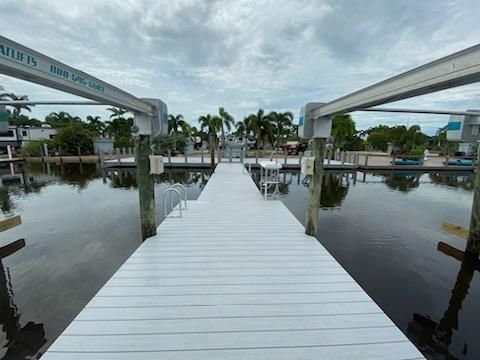
Many buyers focus on the lift price and forget that installation is a significant line item. Depending on your dock setup, installation can range from a few hundred dollars for a straightforward job to several thousand dollars if new pilings need to be set, permits need to be pulled, or the dock itself needs to be modified.
In Collier County, all marine construction work - including lift installation - must comply with local permitting requirements. Working with an experienced local contractor keeps that process smooth and avoids costly delays or corrections.
What About Warranties?
Warranty terms vary widely across manufacturers. A quality boat lift should come with a multi-year warranty on structural components. Read the fine print carefully, especially regarding corrosion coverage in saltwater environments. Some manufacturers void warranties if the lift is used in salt water without specific coatings or materials.
Ask about the warranty before you buy, not after.
Is a Boat Lift a Good Investment for Collier County Waterfront Owners?
In a word, yes. The cost of corrosion repair, hull cleaning, and bottom paint alone can easily exceed the price of a lift over a five to ten year period. Beyond the financial side, there's genuine safety value in having a boat that's properly secured, accessible, and protected year-round - especially during storm season.
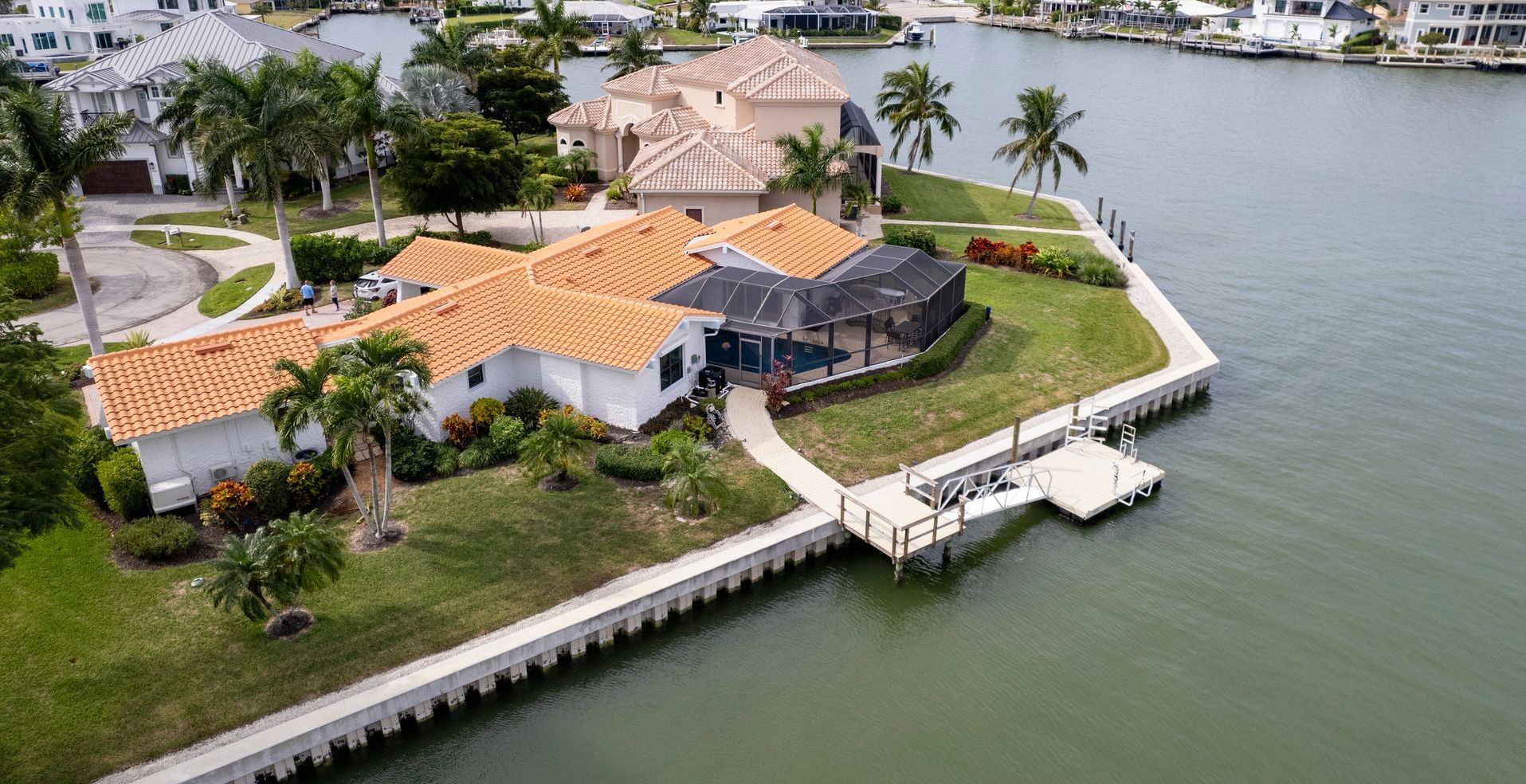
Waterfront property owners in areas like Port Royal, Park Shore, and Marco Island have come to treat a boat lift as a standard feature rather than a luxury. It protects the boat, reduces maintenance time, and adds to the overall value and usability of the dock.
What a Boat Lift Really Costs - and Why It Pays Off
A boat lift is one of those purchases where the upfront cost is easy to see but the long-term value is harder to quantify - until you skip it and pay the price later. Understanding what drives the cost helps you make a smarter decision and avoid overpaying or underbuying.
If you're planning a dock build or upgrade in Collier County and want expert guidance on what lift setup makes sense for your property, reach out to Kalvin and Calvin Marine Construction at
(239) 280-6054 to talk through your options with a team that has been building and maintaining
waterfront structures in this area for over 40 years.