How to Choose a Boat Lift for Your Property
If you own waterfront property in Collier County, Florida, you already know how much your boat means to you. Whether you're navigating Naples Bay, cruising around Marco Island, or heading out from Vanderbilt Beach, your vessel is a serious investment. Protecting it starts at the dock, and that means choosing the right boat lift.
But here's the thing: not all boat lifts are created equal. The wrong choice can leave you frustrated, underpowered, or stuck with a system that doesn't match your waterway or hull type. This guide breaks it all down so you can make a confident decision.
Why a Boat Lift Matters More Than You Think
Leaving your boat in the water full-time exposes it to constant threats - barnacles, saltwater corrosion, zebra mussels in freshwater lake environments, and hull damage from wave action. A quality boat lift keeps your vessel out of the water when it's not in use, extending its life and reducing maintenance costs significantly.
Beyond protection, the right lift makes boating easier. Instead of dealing with a boat that's been sitting in the water for days, you step onto a clean, dry hull and go. That convenience adds up over time, especially in a place like Collier County where boating season feels like it never ends.
Start With Boat Weight and Size
Before anything else, you need to know your boat's total weight - not just the listed dry weight, but the full loaded weight. This includes fuel, gear, a full water tank, and anything else you regularly carry onboard.
A lift rated for your boat's dry weight alone is a recipe for problems. As a general rule, add 10 to 20 percent to your loaded weight when selecting a lift's capacity. Most manufacturers list lift ratings in increments, and it's always smarter to go slightly above your needs than right at the limit.
Pontoon Boats and Weight Considerations
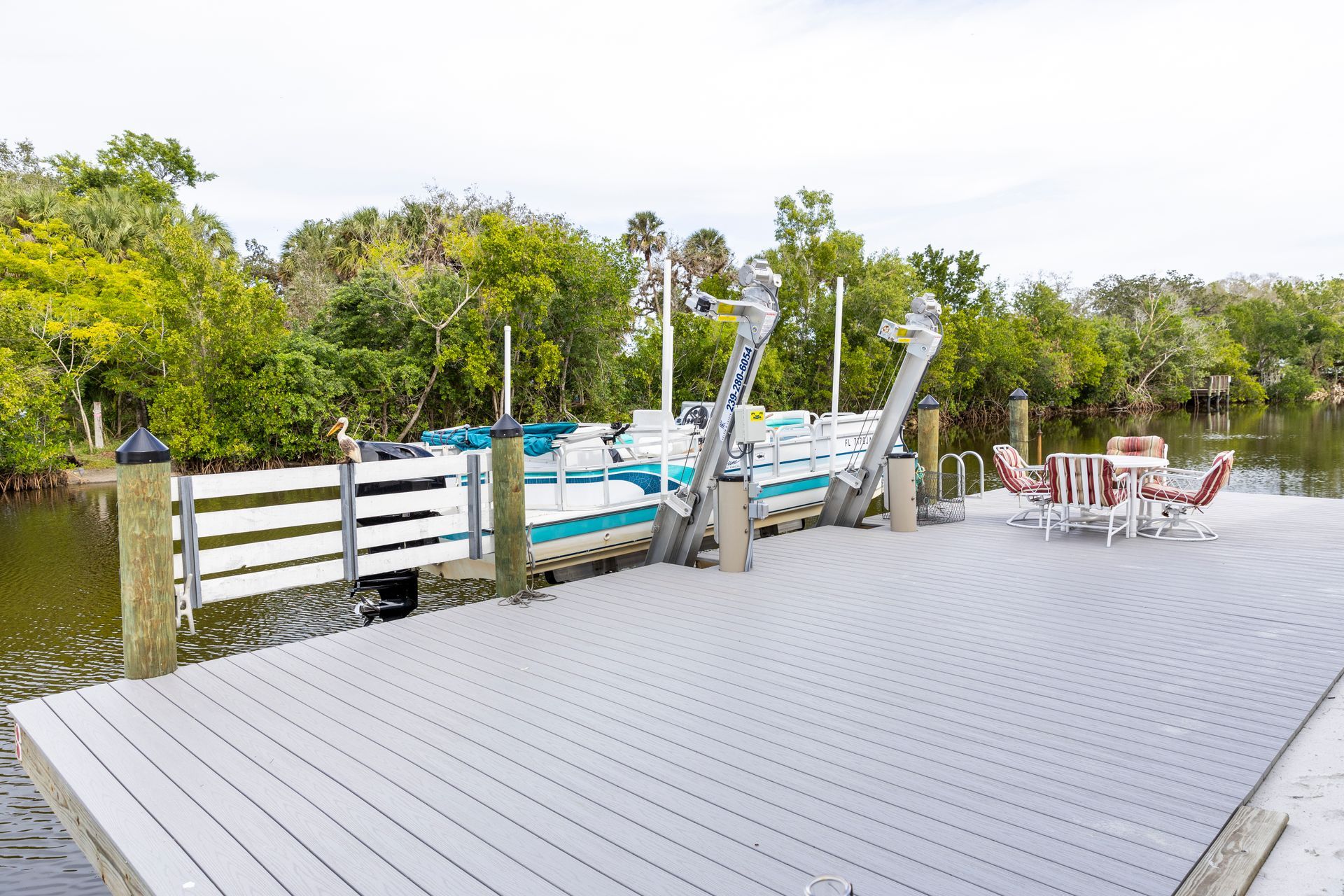
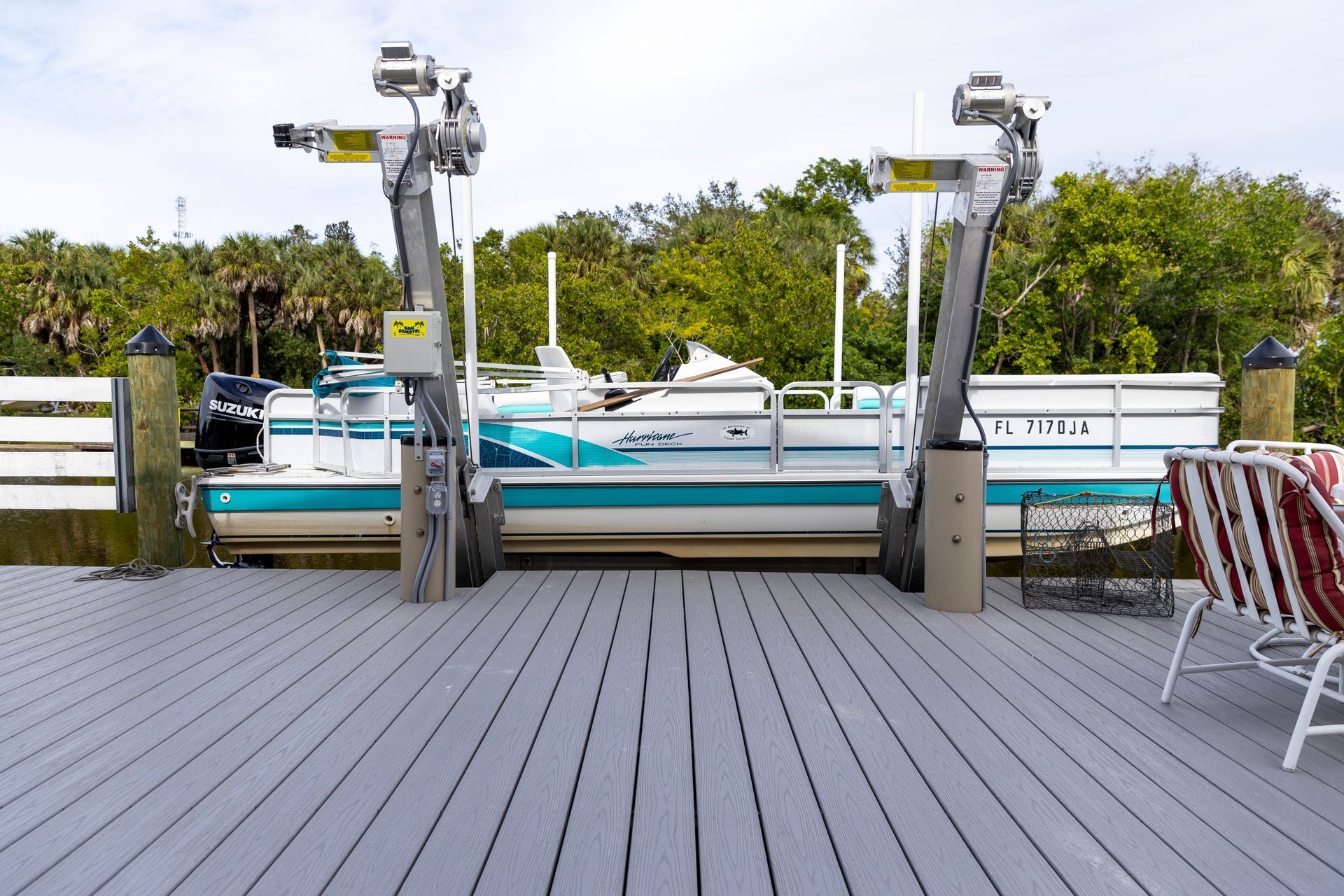
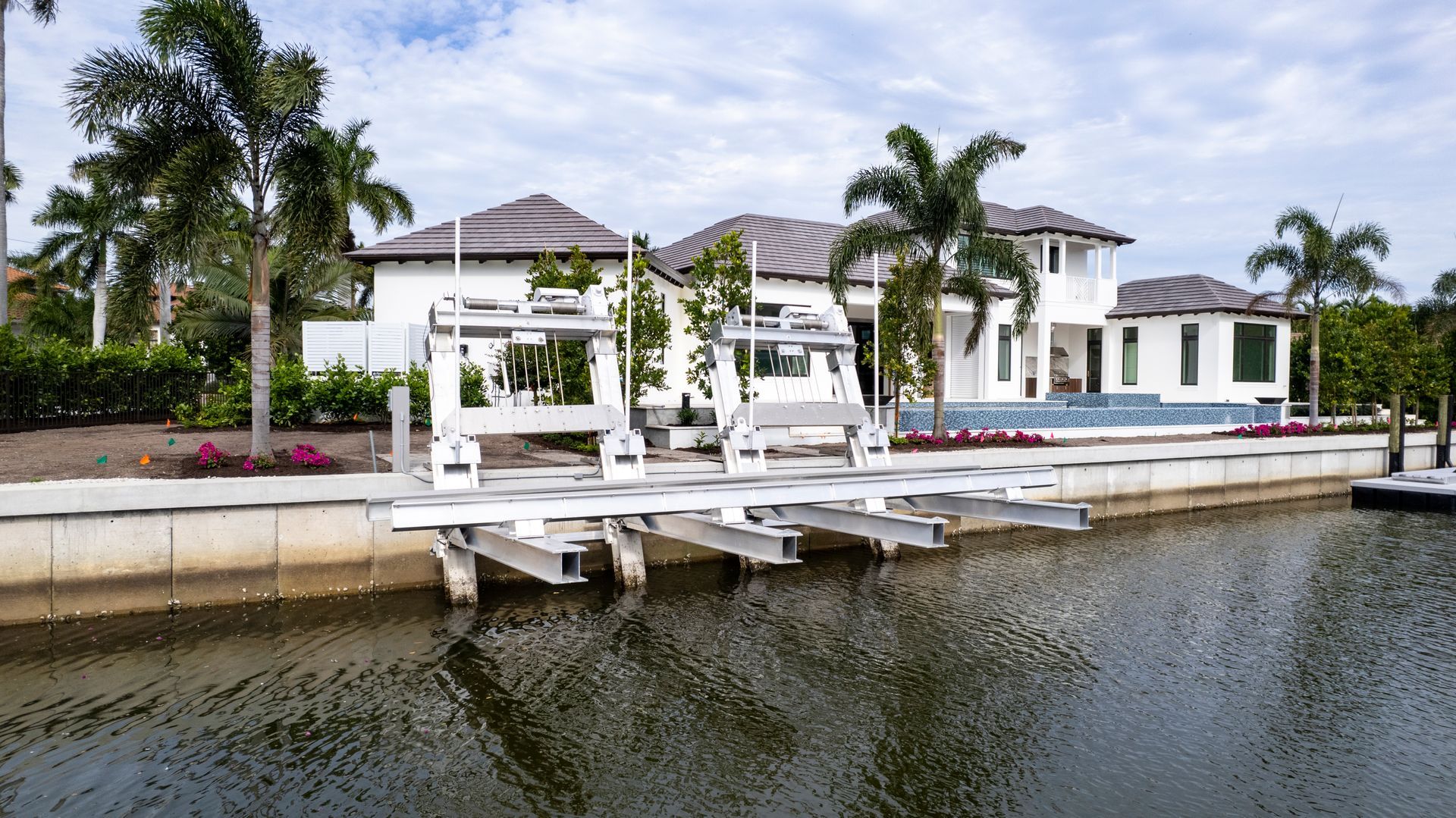
Pontoon boats present their own sizing challenge. Because their weight is distributed differently than a V-hull vessel, standard lift configurations may not fit well. Many pontoon boat owners in Collier County opt for lifts specifically designed for that hull shape, with cradle bunks or roller systems adjusted to match the wider beam.
Always treat your boat's total weight like you would any rated mechanical capacity - the rated capacity is a maximum, not a target.
Understanding the Main Types of Boat Lifts
There are several lift types available, and the best one for your property depends on your dock setup, water depth, and personal preferences.
Hydraulic Boat Lifts
Hydraulic lifts use fluid pressure to raise and lower your boat. They're known for being smooth, powerful, and capable of handling larger vessels. Hydraulics can manage significant weight with minimal effort, making them a popular choice for bigger boats or high-use docks.
The trade-off is complexity. Hydraulic systems require more maintenance than simpler alternatives, and repairs can be more involved if something goes wrong.
Elevator Lifts
An elevator-style lift uses a platform that moves straight up and down, guided by pilings or a fixed frame. Think of it like an elevator for your boat - hence the name. These lifts work well in areas with consistent water levels and moderate tidal variation.
In tidal waterways common throughout Collier County, elevator lifts need to be configured carefully to account for water level changes throughout the day.
Cantilever Lifts
Cantilever lifts use a lever-arm system to cradle the boat and raise it above the waterline. They're among the most affordable lift styles and tend to work well for smaller boats. Because they don't require electricity, they're low-maintenance and simple to operate.
The cantilever design isn't ideal for very heavy vessels or deep-water installations, but for a smaller runabout or personal watercraft, it's a practical and budget-friendly option.
Pneumatic Boat Lifts
Pneumatic lifts use air-filled flotation tanks to raise the boat. Compressed air pushes water out of the tanks, causing the platform to rise. They're reliable, corrosion-resistant, and well-suited to saltwater environments - which makes them worth considering along the waterfront communities of Collier County.
Because they have fewer moving mechanical parts, pneumatic systems tend to hold up well in harsh marine conditions over time.
Hurricane Boat Lifts
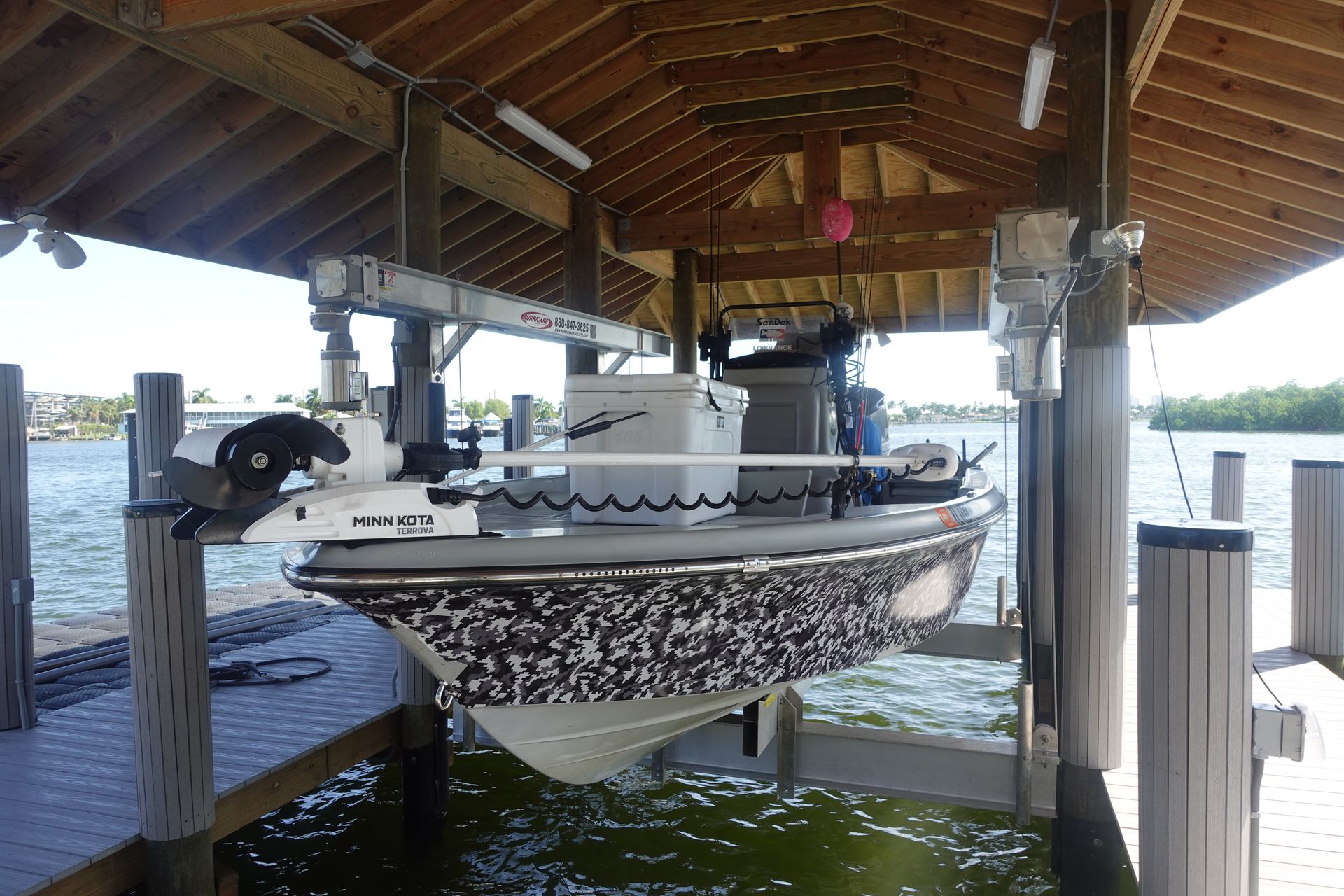
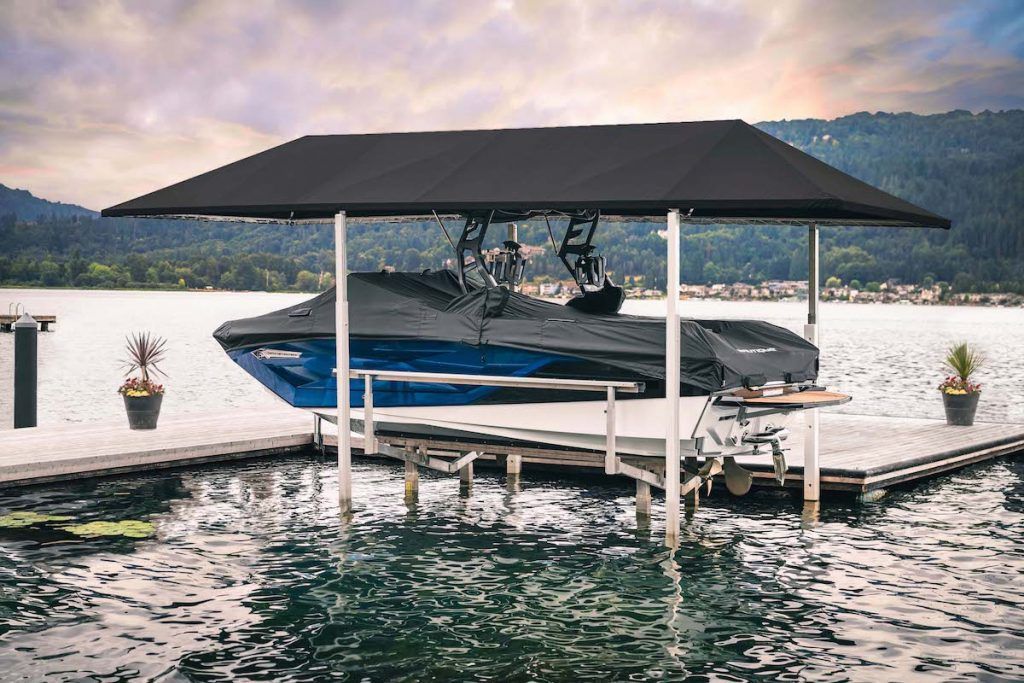
If you live on the water in Southwest Florida, storm preparedness isn't optional. Hurricane boat lifts are specifically engineered to handle the extreme conditions that come with hurricane season. These systems are built to keep your vessel secured under high wind and surge conditions that would overwhelm a standard lift.
For waterfront homeowners in areas like Port Royal or along the Marco Island shoreline, a hurricane-rated lift isn't just a convenience - it's a smart layer of protection for a significant investment.
Water Depth and Dock Configuration
Your available water depth is a major factor in choosing the right lift. Some systems require a minimum depth to function properly, while others are designed specifically for shallow water applications. Before purchasing anything, have your water depth measured at both low and high tide.
Your
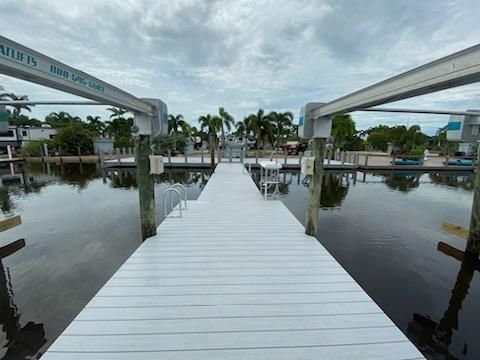
existing dock structure also plays a role. Piling placement, dock width, and the direction your boat approaches all influence which lift style will integrate most cleanly into your setup. If your dock is being built new, this is the ideal time to plan the lift into the design from the start - rather than trying to retrofit it later.
Key Features to Look For
Once you've narrowed down the lift type, here are factors worth comparing closely:
- Corrosion resistance: In saltwater environments, aluminum construction or quality coatings are essential for long-term durability.
- Motor and drive quality: Look for motors rated for marine use, not residential or industrial crossover products.
- Remote operation: Many modern lifts include wireless remotes, which make solo operation much easier.
- Serviceability: Ask whether local technicians in Collier County are familiar with the brand and can service it readily.
- Warranty coverage: A solid warranty reflects manufacturer confidence and protects your investment.
How Your Dock and Seawall Factor In
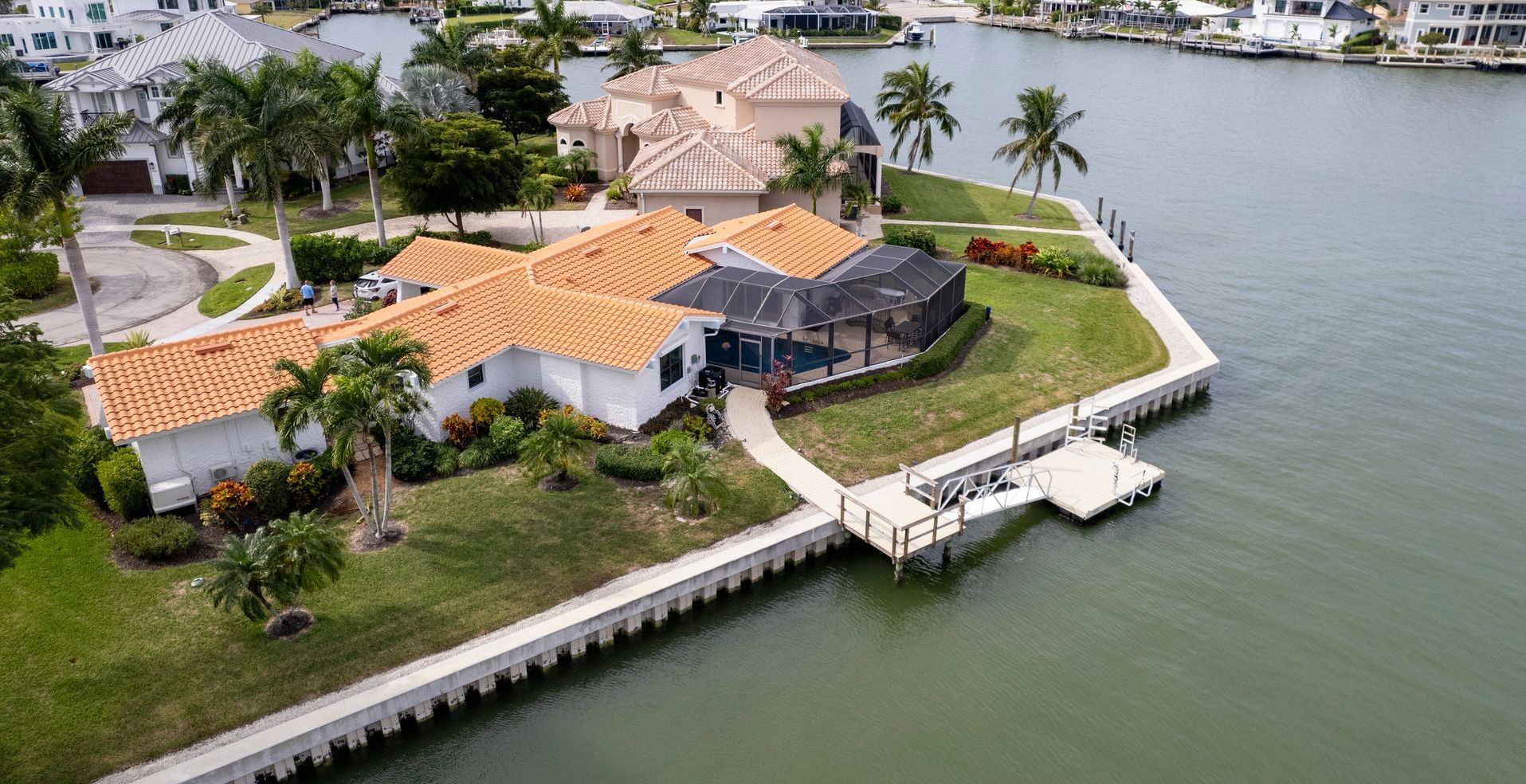
A boat lift doesn't exist in isolation. It connects directly to your dock, and in many cases, it's anchored to or near your seawall. If your seawall is aging or showing signs of stress, adding the structural load of a lift could accelerate any existing problems.
Before installing a lift, it's worth having both your dock and seawall evaluated. An experienced marine construction team can identify whether any repairs or reinforcements are needed before the lift goes in. Taking that step upfront protects both your lift installation and your broader waterfront infrastructure.
Working With a Local Marine Construction Team
Buying a boat lift online is one thing. Having it properly specified, installed, and integrated with your existing dock structure is another. Local knowledge matters here.
Collier County waterways have their own tidal patterns, water depths, and shoreline conditions. A team that has spent decades working these waters understands how to configure a lift that performs reliably over time - not just on installation day.
Kalvin & Calvin Marine Construction has been building and maintaining waterfront structures in Collier County since the mid-1970s. Their team works across residential docks, commercial facilities, and everything in between, with a reputation built on clear communication and quality results.
Choosing the Right Boat Lift for Your Property
Choosing the right boat lift means understanding your boat's weight, your water conditions, your dock setup, and what kind of protection you need for the long haul. There's no single right answer, but there is a right answer for your property.
If you're planning a new dock installation or updating an existing waterfront structure, reach out to Kalvin & Calvin Marine Construction at
(239) 280-6054 to talk through your options with a team that knows Collier County waters inside and out.