How to Extend the Life of a Boat Lift
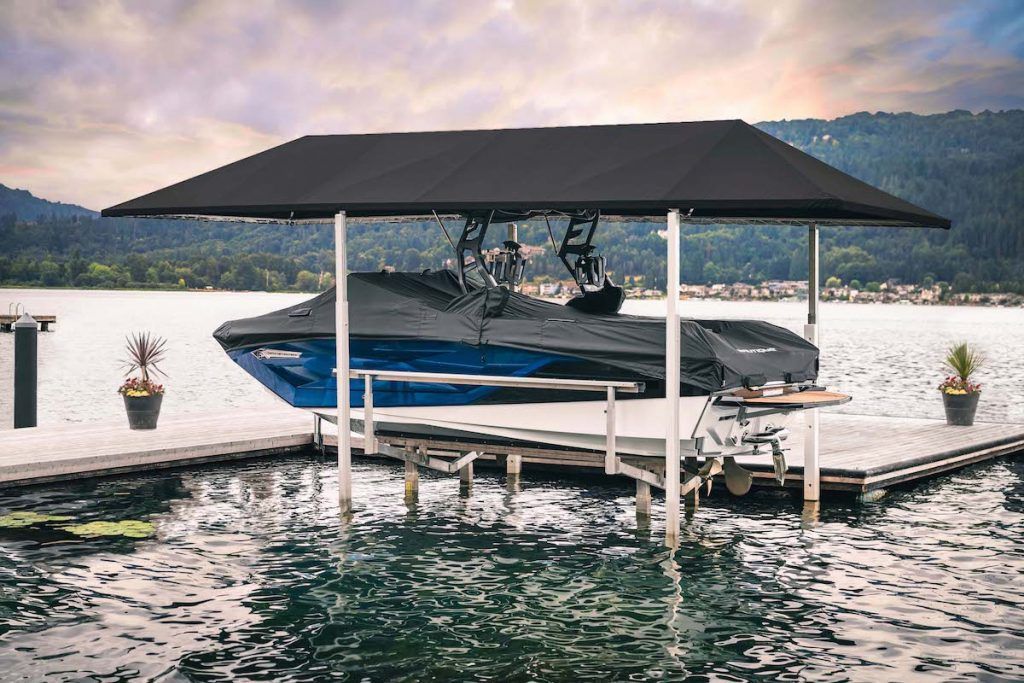
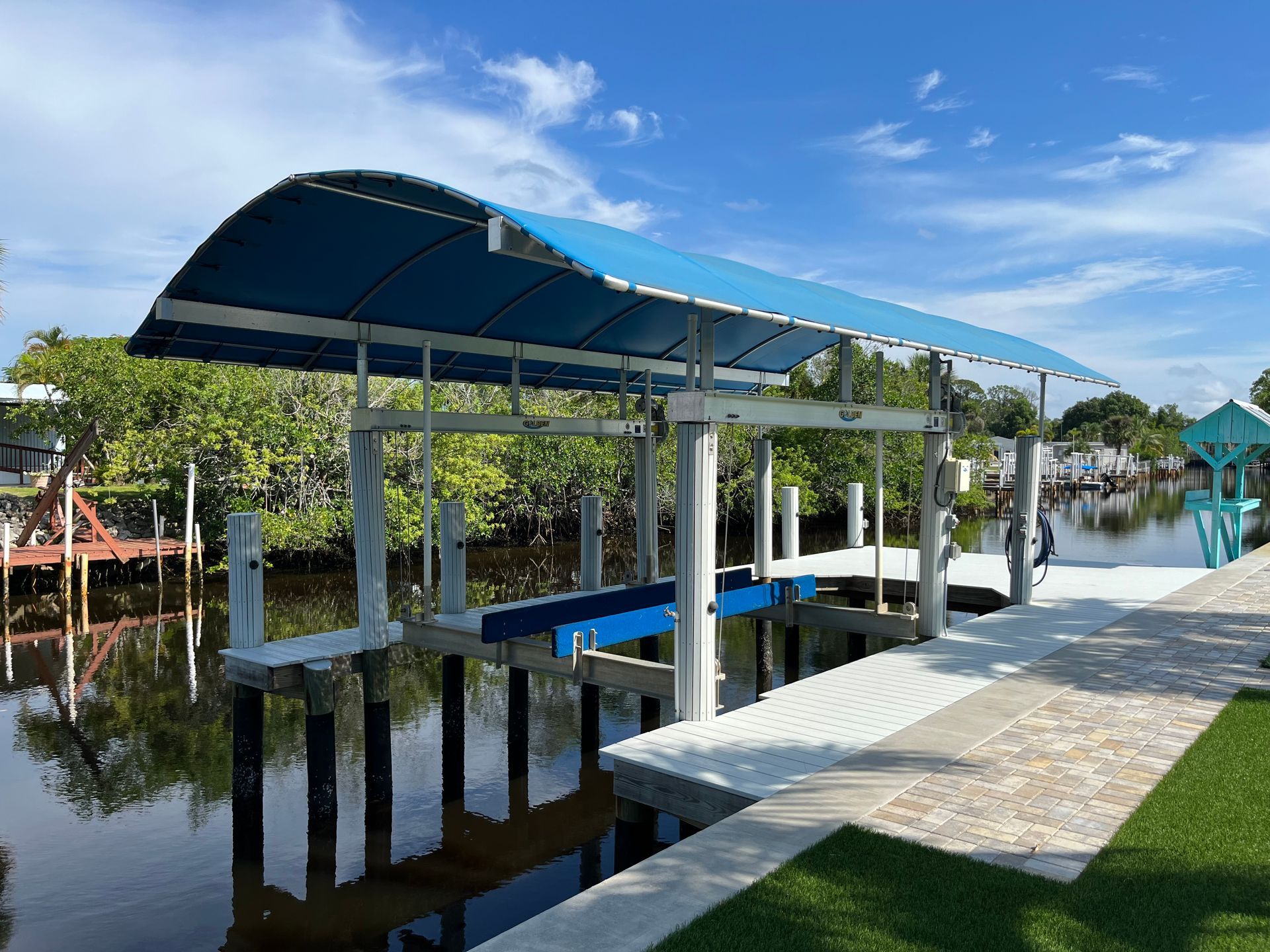
A boat lift is one of the smartest investments a waterfront property owner can make. It keeps your hull out of the water, reduces barnacle buildup, and protects your boat from the kind of slow damage that seawater causes over time. But the lift itself needs attention too, and in a coastal environment like Collier County, Florida, neglect can cost you far more than a little maintenance ever would.
Here is what you actually need to know to get the most out of your boat lift for years to come.
Why Boat Lifts Deteriorate Faster Than You Think
The Gulf Stream climate that makes Southwest Florida so appealing to boaters also accelerates wear on marine equipment. Salt air, tidal movement, UV exposure, and the constant interaction between metal components and seawater create a relentless cycle of corrosion. Aluminum frames hold up better than steel in these conditions, but they are not immune.
Add in the mechanical stress of lifting and lowering a boat repeatedly, and components like the pulley system, cables, and fasteners take a beating season after season. The longer a problem goes unaddressed, the more it compounds.
Regular Inspection Is the Foundation of Longevity
What to Check and When
You do not need to be a marine engineer to do a basic inspection. Walk the dock and look at your lift from different angles at least once a month, and schedule a professional inspection annually or after any major storm event.
Focus on these areas during your walk-through:
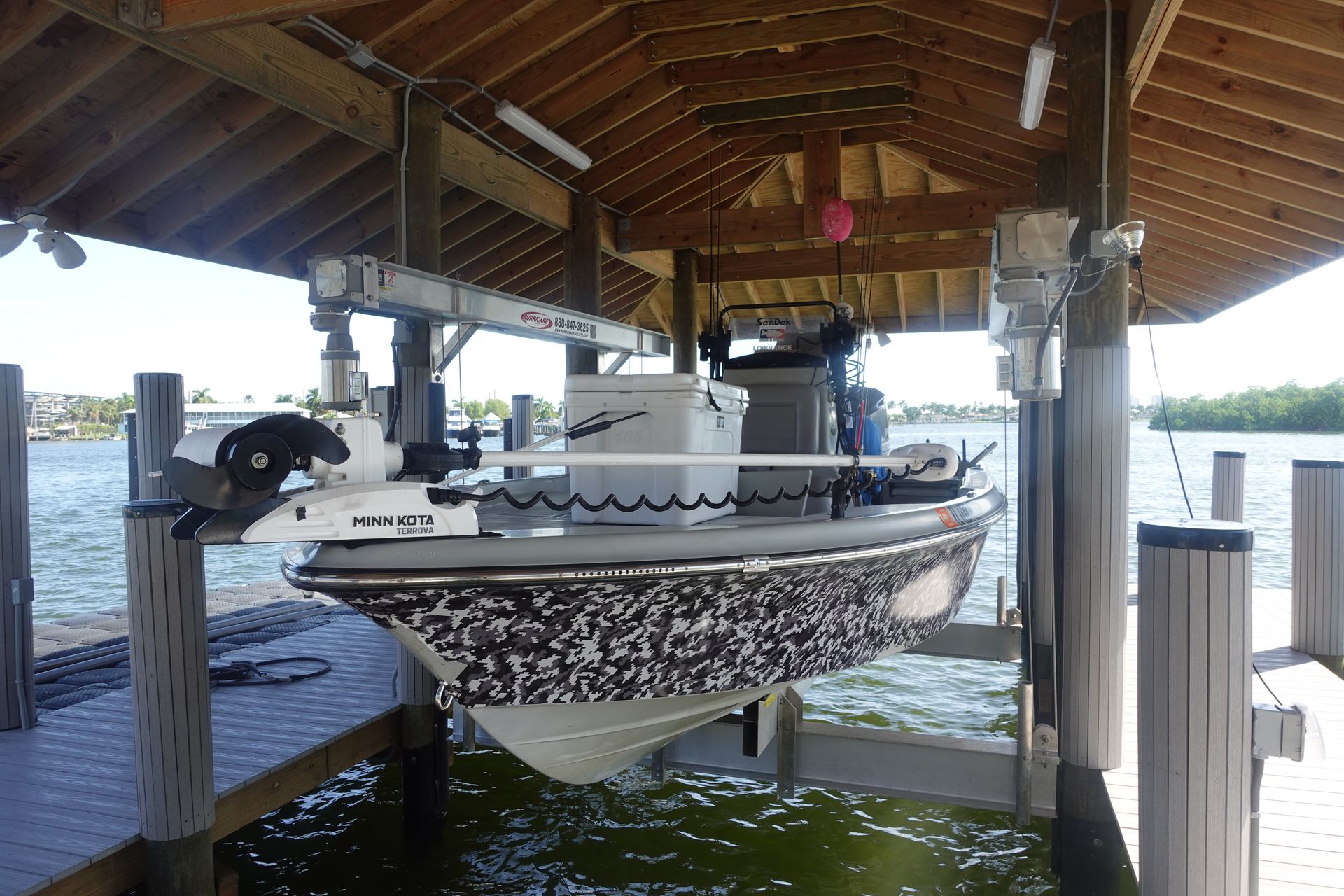
- Cables and bunks: Look for fraying, rust streaking, or unusual wear patterns on the cables. Check the bunk boards, which are often wood or high-density polyethylene, for cracking or soft spots.
- Fasteners and connectors: Corroded or loose fasteners are a common cause of lift failure. In saltwater environments, stainless steel or galvanized hardware performs better than standard steel.
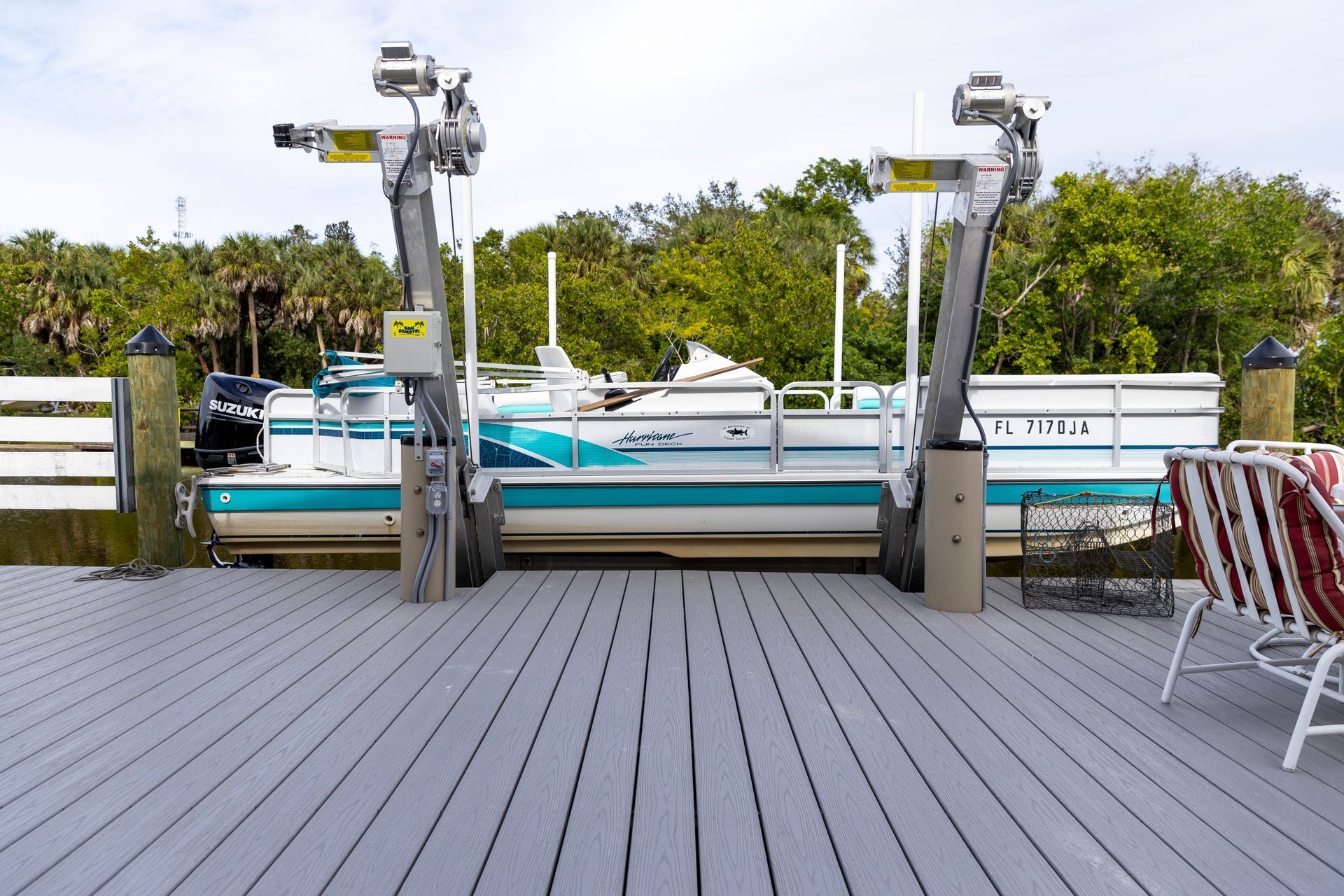
- Pulleys and sheaves: The pulley system is under significant load every time you raise your boat. Listen for grinding sounds and watch for visible wear on the sheave grooves.
- Motor and electrical components: Water intrusion into the motor housing is a leading cause of lift failure. Inspect seals and wiring regularly.
- Beam and frame alignment: A boat lift that is slightly out of alignment will distribute weight unevenly and wear down faster. Look for any bowing or shifting in the main beam.
A professional inspection does more than confirm what you can see. An experienced eye can catch corrosion behind mounting brackets, subtle structural shifts, or early signs of deterioration that most owners miss.
Lubrication: Small Step, Big Impact
One of the most overlooked aspects of boat lift maintenance is consistent lubrication. Moving parts, especially the pulley system and cable drum, need to be treated with a marine-grade lubricant that can resist salt exposure and moisture. This is not a once-a-season task. In a high-humidity, saltwater environment like coastal Collier County, lubrication should happen every few months.
Use products designed for marine construction applications. Standard automotive lubricants break down quickly when exposed to seawater and can actually attract grit, which accelerates wear rather than reducing it.
Rinsing and Cleaning: Do Not Skip It
Fresh water is one of the simplest and most effective tools you have for extending the life of a boat lift. After any significant use, or after salt spray events, rinse the lift frame, cables, and motor housing with fresh water. Salt residue is the primary driver of corrosion, and removing it regularly slows the process considerably.
Pay special attention to areas where components connect or overlap. Salt and moisture tend to accumulate in joints and brackets, where they do the most structural damage over time.
Know Your Weight Limits and Respect Them
Every lift is rated for a specific weight capacity, and that number is not a suggestion. Exceeding the rated lift capacity puts undue stress on every part of the system, from the motor to the frame to the fasteners. If you have upgraded to a larger boat since your lift was installed, it may be time to assess whether your current setup is still appropriate.
In some cases, a lift can be retrofitted or upgraded. In others, replacement is the smarter long-term investment. A professional evaluation will give you a clear picture.
When Maintenance Is Not Enough
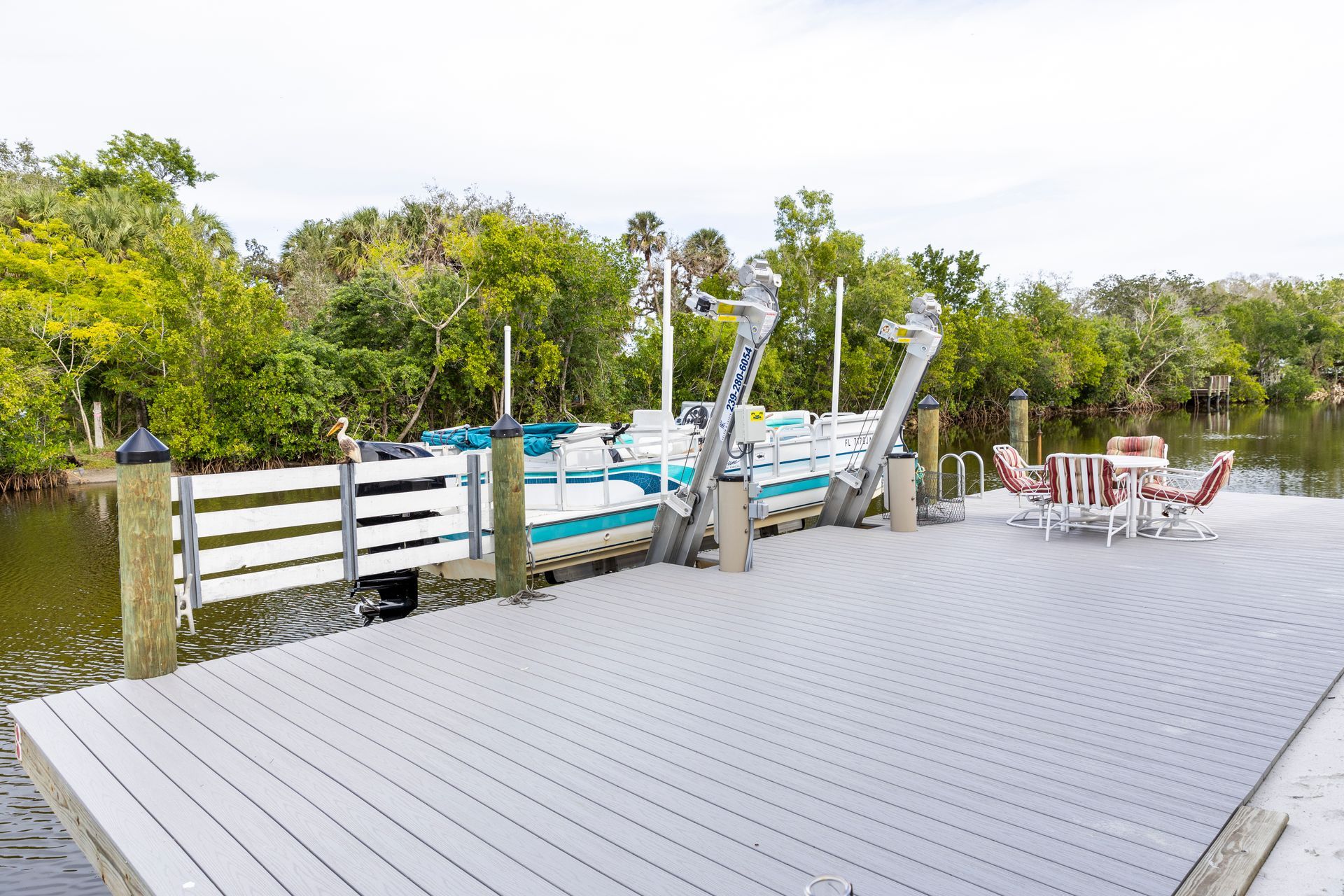
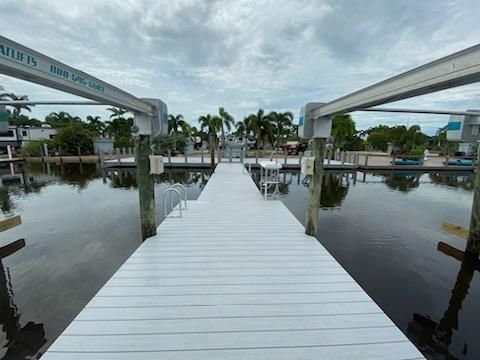
Sometimes a lift reaches the end of its useful life, or the underlying dock structure it is mounted to becomes compromised. A deteriorating dock affects the stability and safety of the lift itself. If you are noticing structural issues with your dock alongside lift problems, addressing both at once is almost always more cost-effective than handling them separately.
Keep Your Boat Lift Running Longer
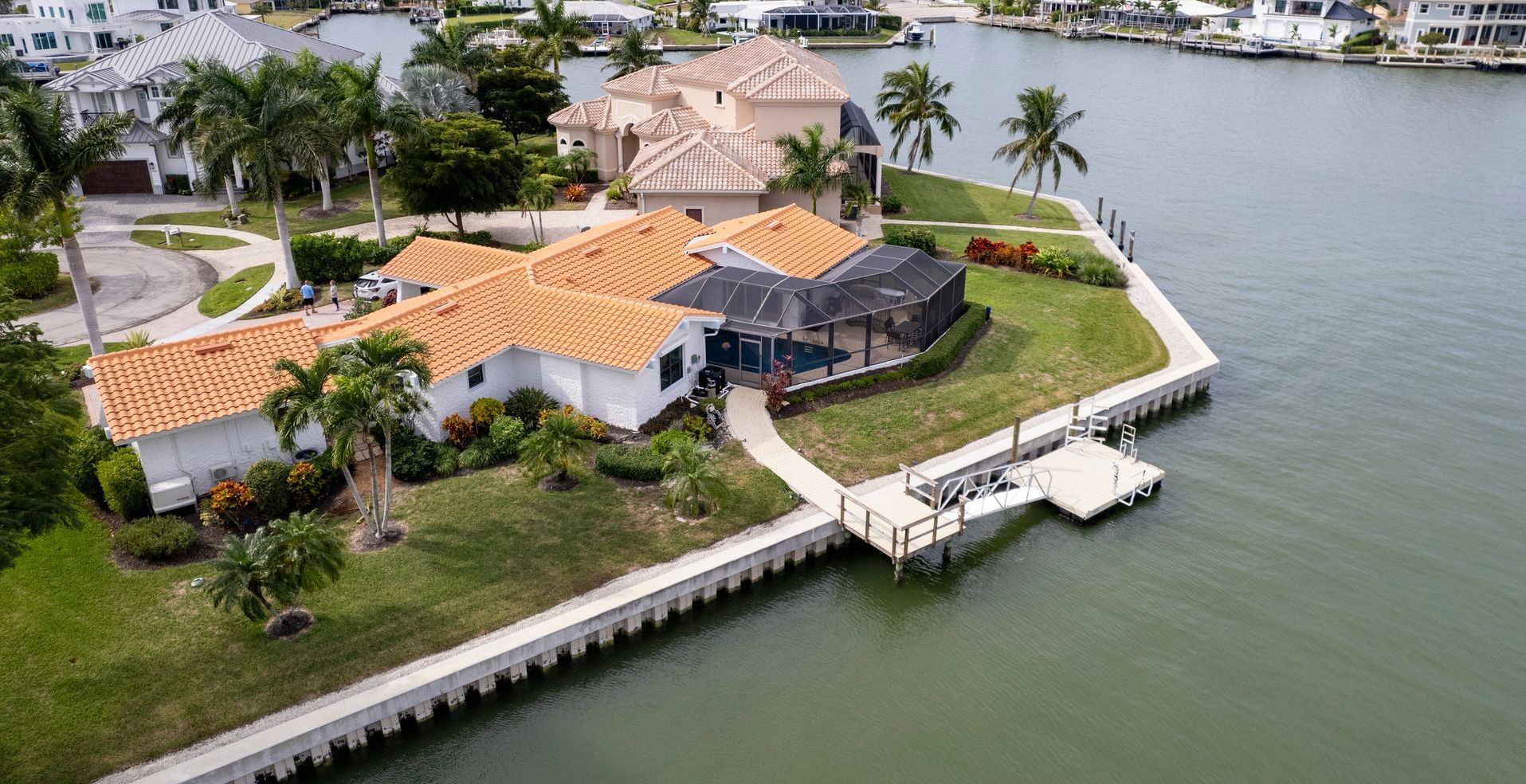
Extending the life of your boat lift comes down to consistent attention: regular inspection, proper lubrication, fresh water rinses, and staying within weight limits. The marine environment in Collier County is beautiful but demanding, and the lifts, docks, and seawalls along this coastline need proactive care.
If your dock is showing signs of wear alongside your lift, explore our
dock building services to learn how we can help you protect your waterfront investment from the ground up. You can also reach us at
(239) 280-6054 to schedule an assessment.