Floating Dock vs Fixed Dock: Water Levels Decide the Winner
If you own waterfront property in Collier County, the dock question will come up eventually. And it is not just about style or budget. The type of dock you choose has everything to do with how water behaves where you live.
In Southwest Florida, tides shift, storm surge is a real concern, and the shallow, sediment-rich waterways of Naples Bay, Marco Island, and the surrounding coast create conditions that demand a thoughtful decision. So let us break this down honestly.
What Is a Fixed Dock?
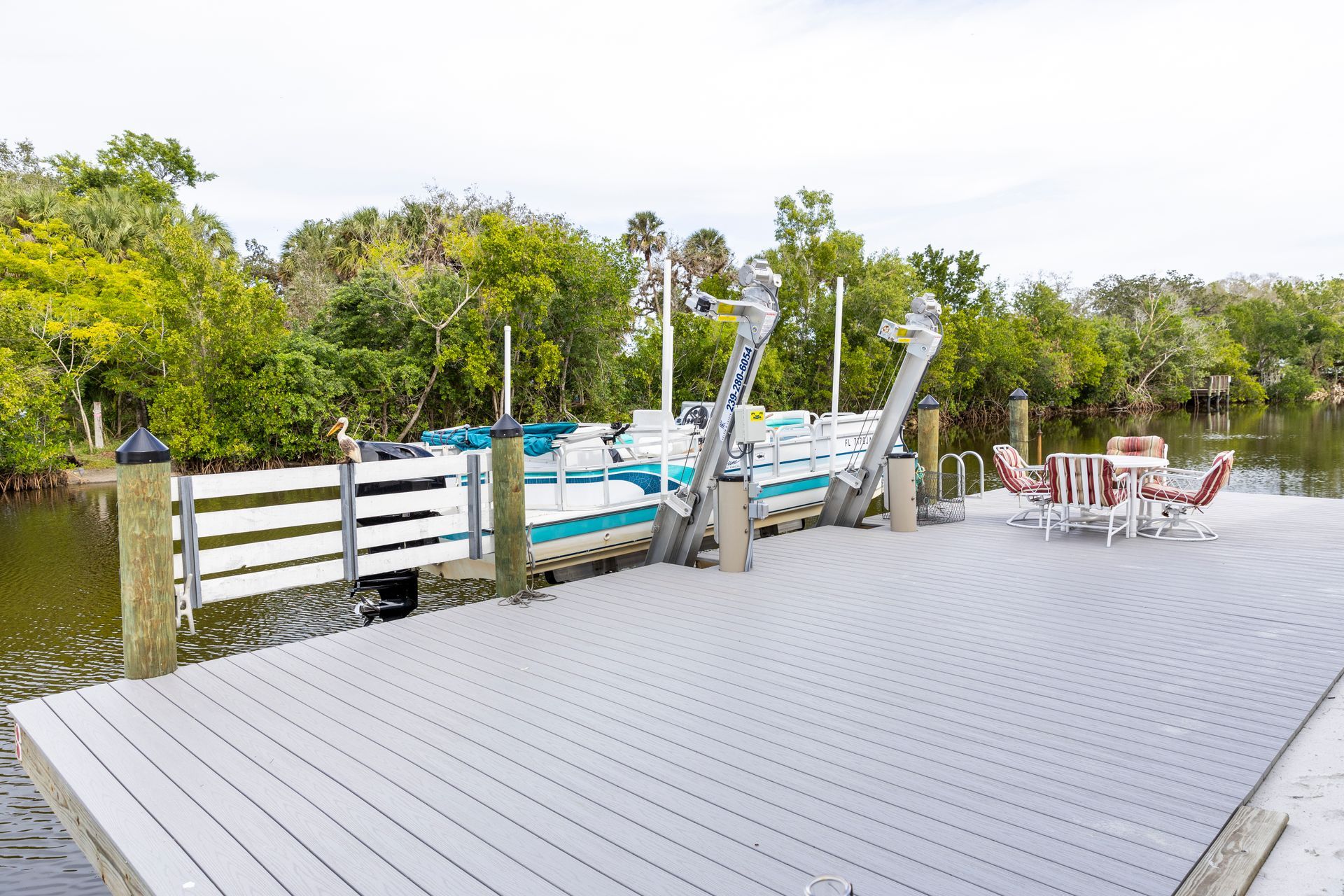
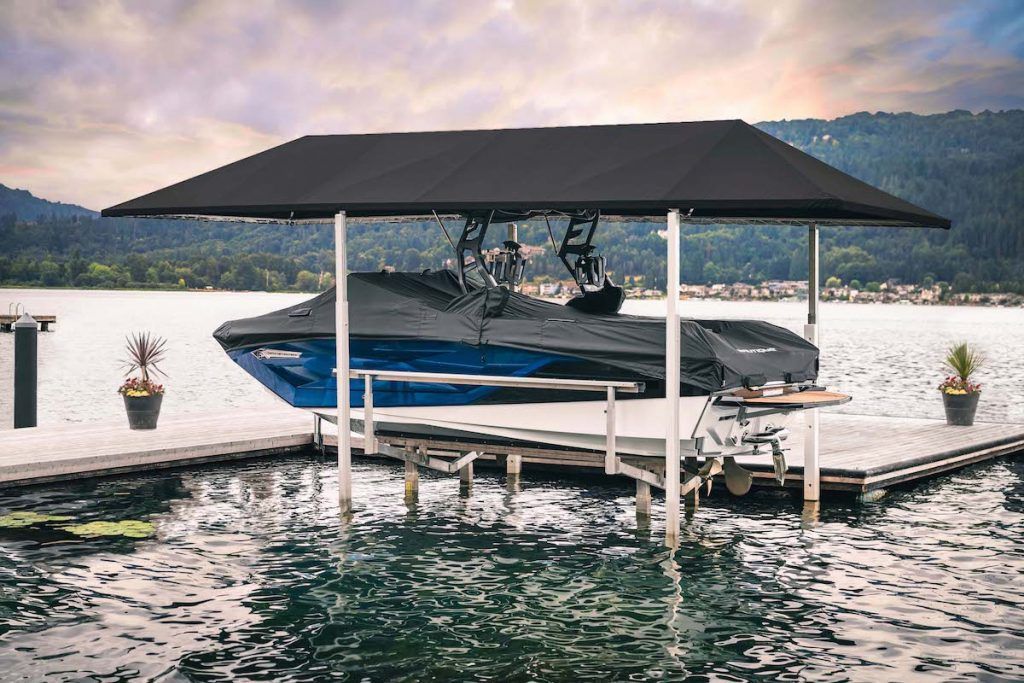
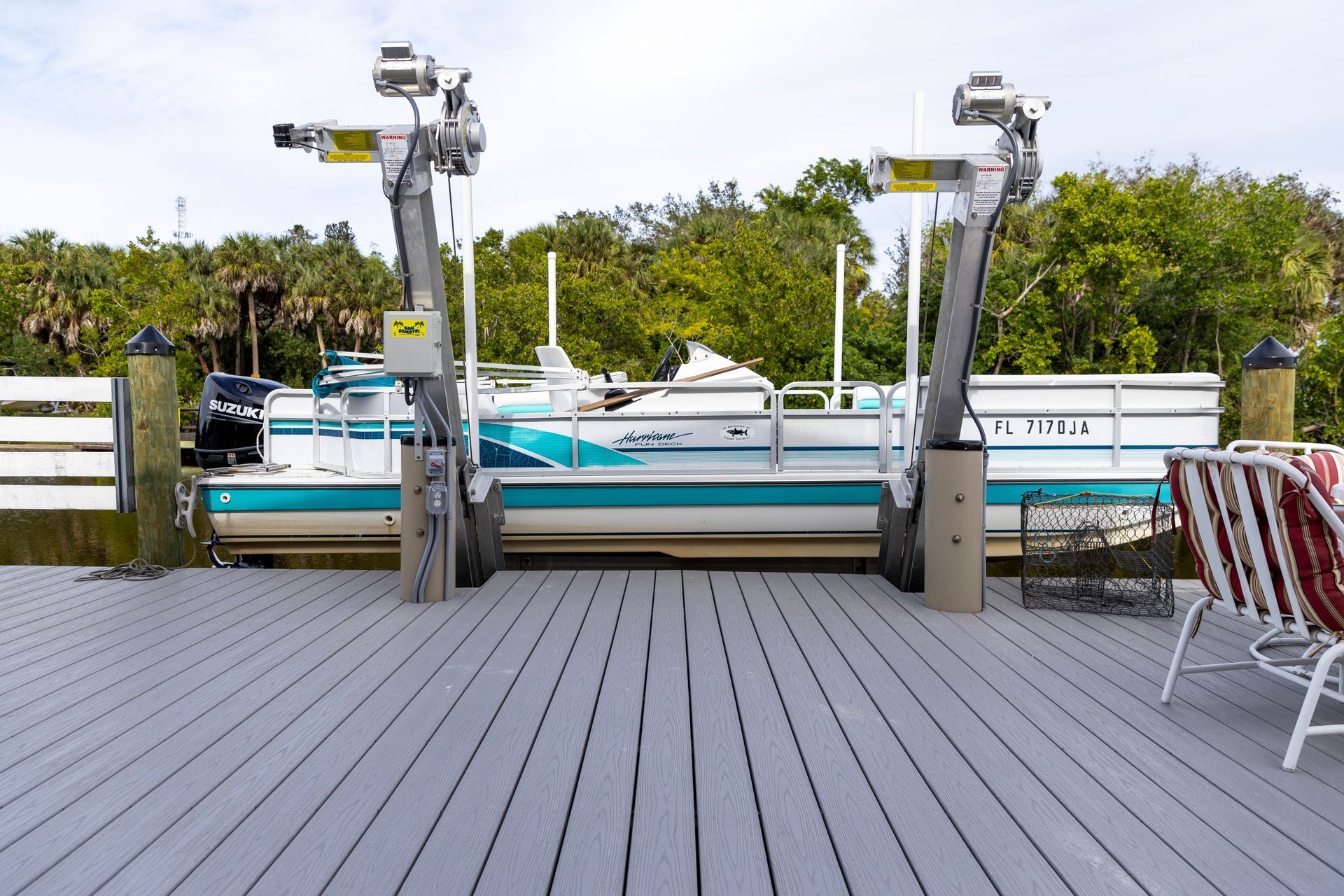
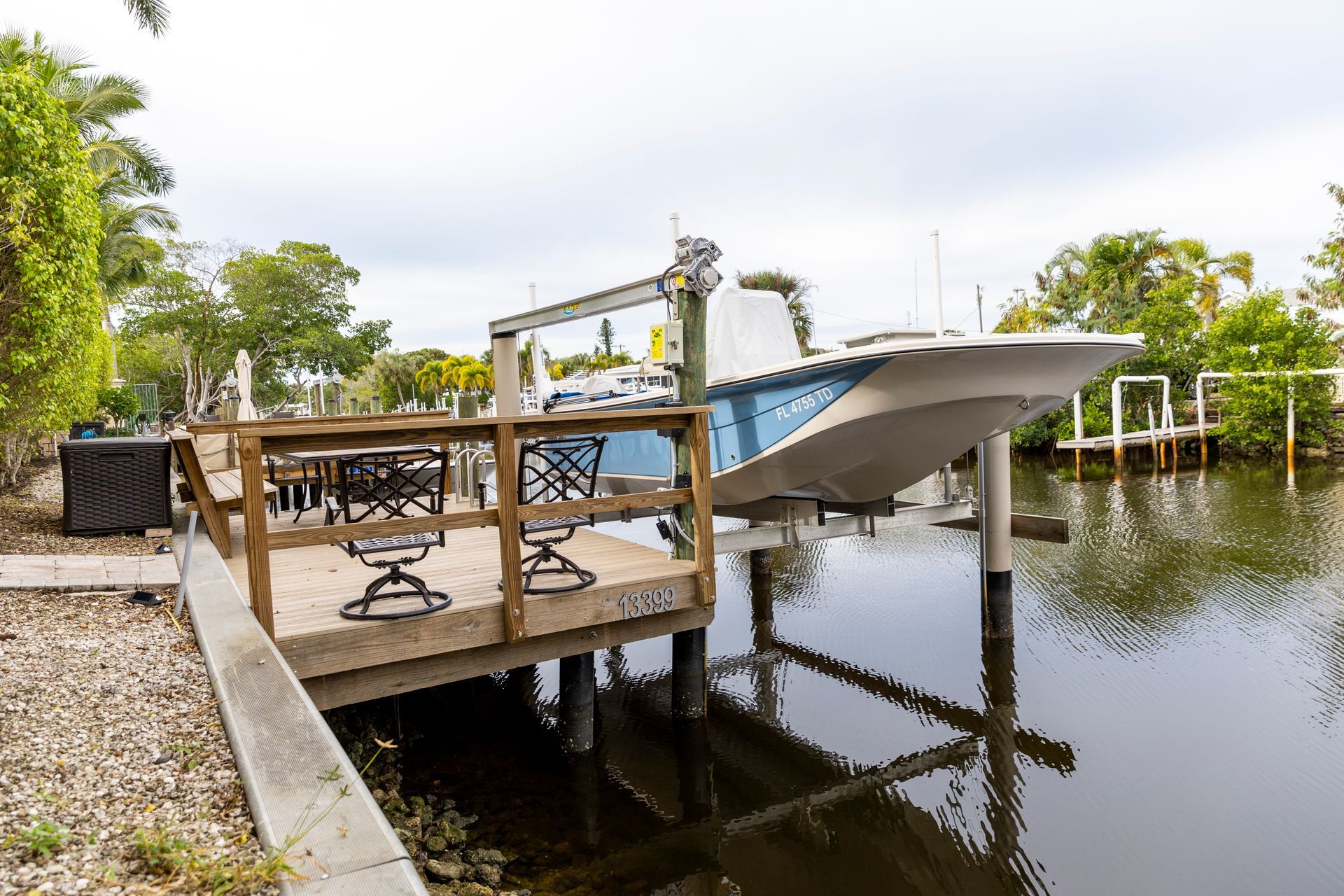
A fixed dock is exactly what it sounds like. It is a stationary platform anchored to the seabed using pilings driven deep into the ground. The deck sits at a set height above the water, and it does not move regardless of what the tide does.
Fixed docks are built using materials like concrete, treated lumber, or composite decking. They are sturdy, straightforward, and have been the standard in marine construction for decades. You will see them at piers, marinas, and residential properties throughout Collier County.
The main trade-off is accessibility. When tides are low, the distance between your boat and the deck can become awkward or even unsafe. In areas with significant tidal variation, that gap matters.
What Is a Floating Dock?
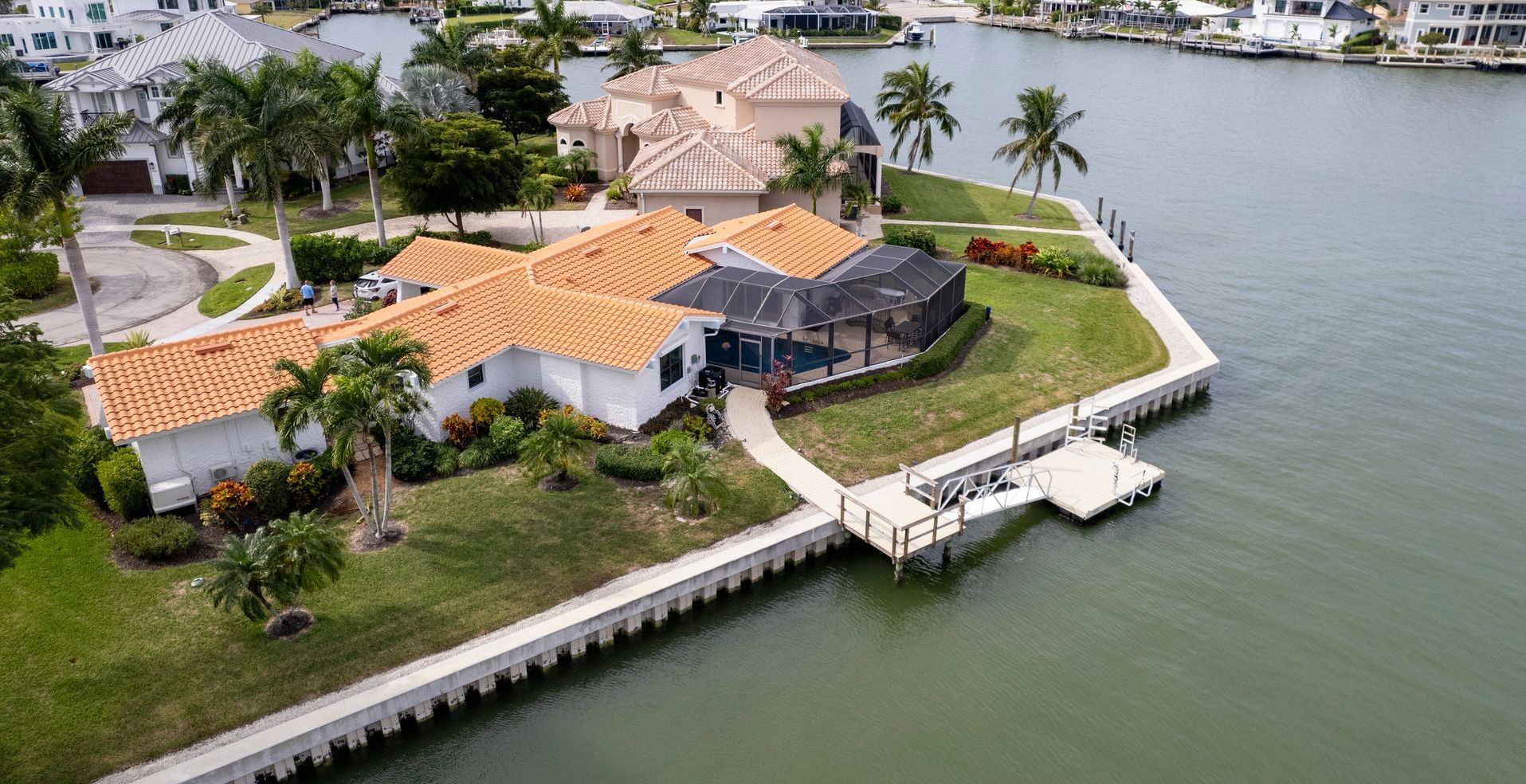
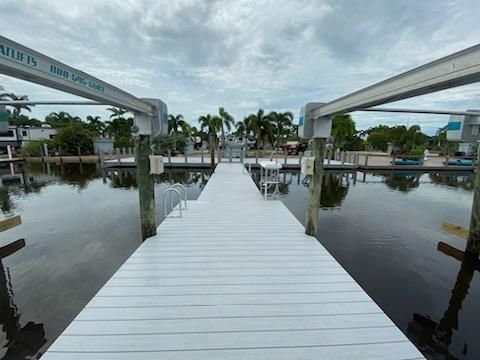
A floating dock uses buoyancy to stay level with the water surface at all times. Rather than being fixed to a foundation, it rises and falls with the tide. Pilings or guide poles keep it from drifting, but the platform itself moves freely.
This design is common in marinas, impounded water systems, and areas where water levels fluctuate significantly. For watercraft owners who board frequently, the consistent deck height makes a real difference in both safety and convenience.
Floating docks are often built using modular systems, and the materials vary from aluminum frames to composite decking. They require a different kind of maintenance than a fixed platform, and the construction complexity is generally higher.
How Water Levels Change Everything
This is the core of the debate. The question is not which dock style looks better. The question is how water behaves in your specific body of water.
Tidal Range Matters More Than You Think
In parts of Collier County, tidal variation can range from one to three feet depending on the season and location. In a low-tide scenario, a fixed dock can leave your boat sitting several feet below the deck edge. That creates real safety issues, especially when you are loading gear, helping children on board, or managing older passengers.
A floating dock eliminates that problem. The platform stays level with the water surface, so boarding your boat feels the same whether it is high tide or low.
Shallow Water and Sediment Buildup
Many of Collier County's waterways are relatively shallow, and sediment can build up over time near the coast. In areas like Everglades City or around Keewaydin Island, water depth at a dock site may limit how deep pilings can be set for a fixed platform.
A floating dock in shallow water requires careful planning to ensure there is enough depth to float without bottoming out at low tide. Neither option is automatically better here. It depends on specific site conditions, and a local marine construction expert needs to assess both the seabed and tidal data before any recommendation is made.
Fixed Dock Advantages in Southwest Florida
For calmer, more stable bodies of water with minimal tidal swing, a fixed dock often wins on simplicity and durability.
Fixed docks require less ongoing maintenance in terms of moving parts. There are no floats to replace, no buoyancy modules to inspect, and no concerns about the dock shifting after a weather event. The structure's strength also makes it easier to support heavy equipment or serve as a staging area during boat maintenance.
In terms of investment, fixed docks tend to have lower upfront construction costs in many configurations. They also tend to integrate more cleanly with
seawall construction, which is a common pairing in Collier County residential properties.
One downside worth noting is storm surge. A fixed platform cannot absorb the energy of rising water the way a floating system can, in certain designs. During major weather events, a fixed dock can take significant structural stress.
Floating Dock Advantages in High-Tide and Marina Settings
Floating docks shine where water levels are unpredictable or highly variable. Marinas in particular favor the floating dock approach because it keeps every slip at a consistent, accessible height for all types of watercraft.
The ability to expand or reconfigure a modular floating dock system also adds flexibility that a fixed platform simply cannot match. If your needs change, the dock can change with them.
Corrosion is a factor in any marine environment, but floating docks built with aluminum frames and composite decking handle saltwater exposure well when properly designed. Maintenance still matters, but modern materials have come a long way.
One thing floating docks do not handle as well is ice. That is less of a concern here in Collier County, but it is worth knowing that floating systems were originally developed partly to address freeze-thaw cycles in northern climates where fixed pilings could be damaged by ice expansion.
Which One Is Right for Your Property?
There is no universal answer, and anyone who tells you otherwise has not looked at your site.
The decision depends on your tidal range, water depth, sediment type, how you use your boat, whether you host guests frequently, your budget, and how your property is situated along the coast. It also depends on local permitting requirements, which vary across Collier County's many waterfront communities.
Questions Worth Asking Before You Decide
- How much does the water level change between high tide and low tide at your specific location?
- How deep is the water at your dock site, and what is the seabed made of?
- Are you building near a seawall, and how will the dock connect to it?
- What is your long-term plan for the property as an investment?
- How often will you be boarding a boat, and with whom?
These are the kinds of site-specific questions that shape a real recommendation.
Why Local Experience Makes the Difference
In Collier County, the waterways are not generic. Naples Bay behaves differently than the waters off Marco Island or Port Royal. Vanderbilt Beach and Park Shore have their own site conditions, permitting considerations, and construction challenges.
Kalvin and Calvin Marine Construction has been working in these waters for over 40 years. The team knows the local tides, the sediment patterns, and the right approach for each community along the Southwest Florida coast. That kind of local knowledge is not something you can replicate with a general contractor or an out-of-area firm.
Choosing the Right Dock for Your Water Levels
Choosing between a floating dock and a fixed dock comes down to understanding your water. Tidal range, depth, sediment, and how you use your property all play a role. Neither option is universally better. The right answer lives in the details of your specific site.
If you are ready to figure out what works for your waterfront, explore Kalvin and Calvin's
dock building services or
call the team directly at (239) 280-6054 to talk through your project with someone who knows these waters.