How to Prepare Your Dock for a Boat Lift Installation
You found the right boat lift. You picked a great spot on your dock. You are ready to get this done. But there is one step most boat owners skip entirely, and it is the step that decides whether your lift works safely for years or becomes a costly mistake before the first boat even touches the cradle.
Proper dock preparation is not a formality. It is the foundation everything else depends on.
Why Dock Prep Matters More Than the Lift Itself
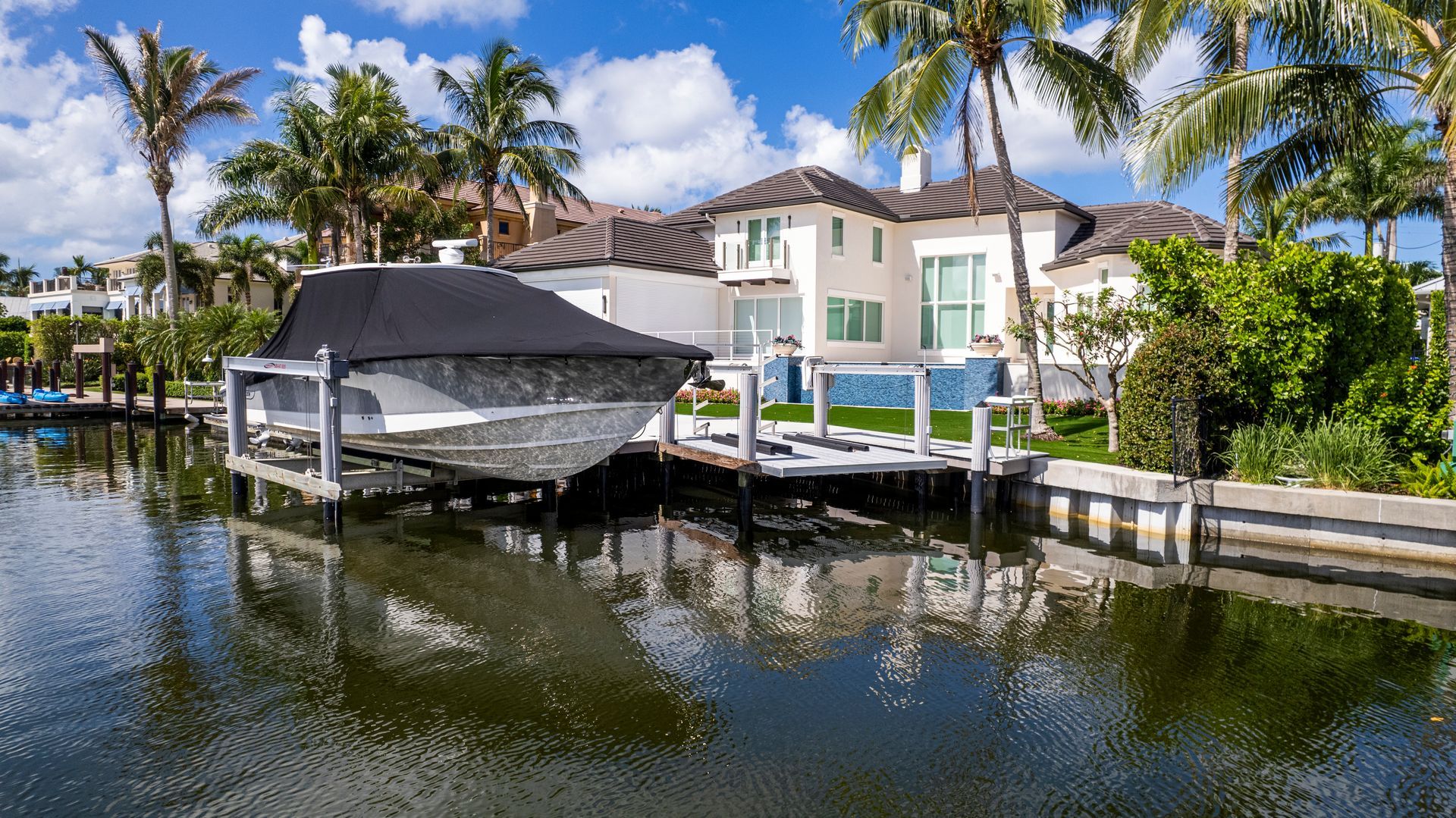
A boat lift is only as reliable as the structure it sits on. Whether you are installing a standard aluminum model or a high-capacity system designed to handle a larger vessel, the dock underneath needs to be evaluated, not assumed.
In Collier County, Florida, waterfront conditions are demanding. Salt air, tidal movement, and years of sun exposure take a toll on dock materials in ways that are not always visible from the surface. What looks solid from above can be compromised underneath.
Skipping a proper dock assessment before installation means you are anchoring thousands of dollars of equipment to a structure that may not hold it.
What Proper Dock Preparation Actually Involves
Structural Assessment First
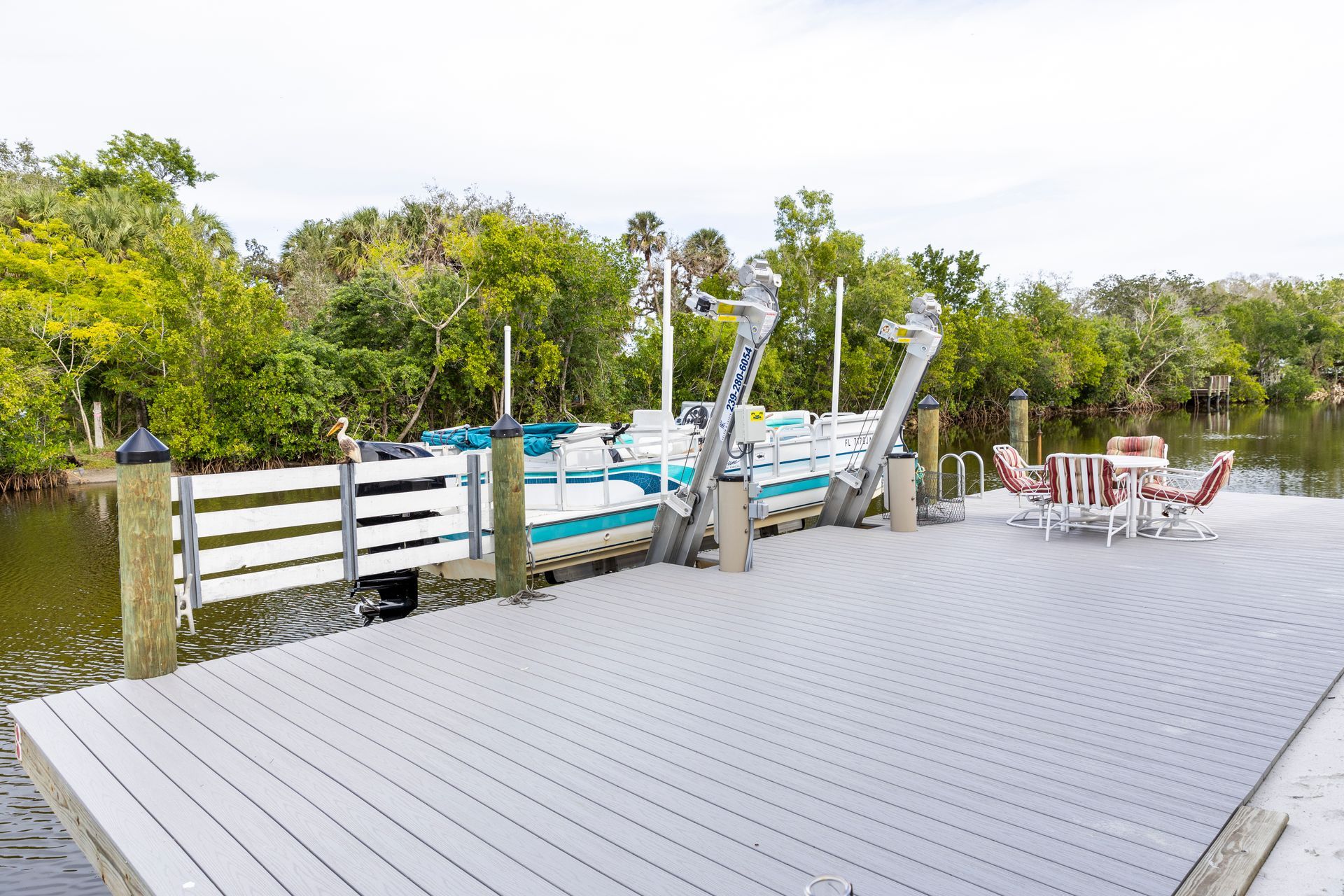
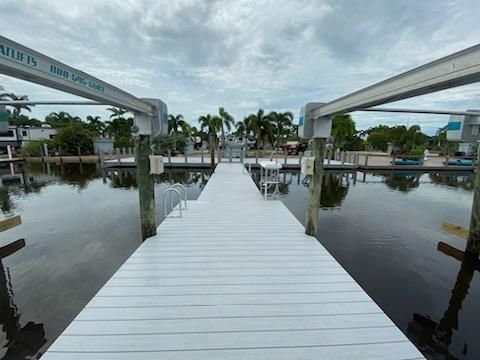
Before any lift goes in, the dock itself needs a thorough inspection. This means checking the pilings, decking, cross-bracing, and connections for signs of deterioration, rot, corrosion, or shift.
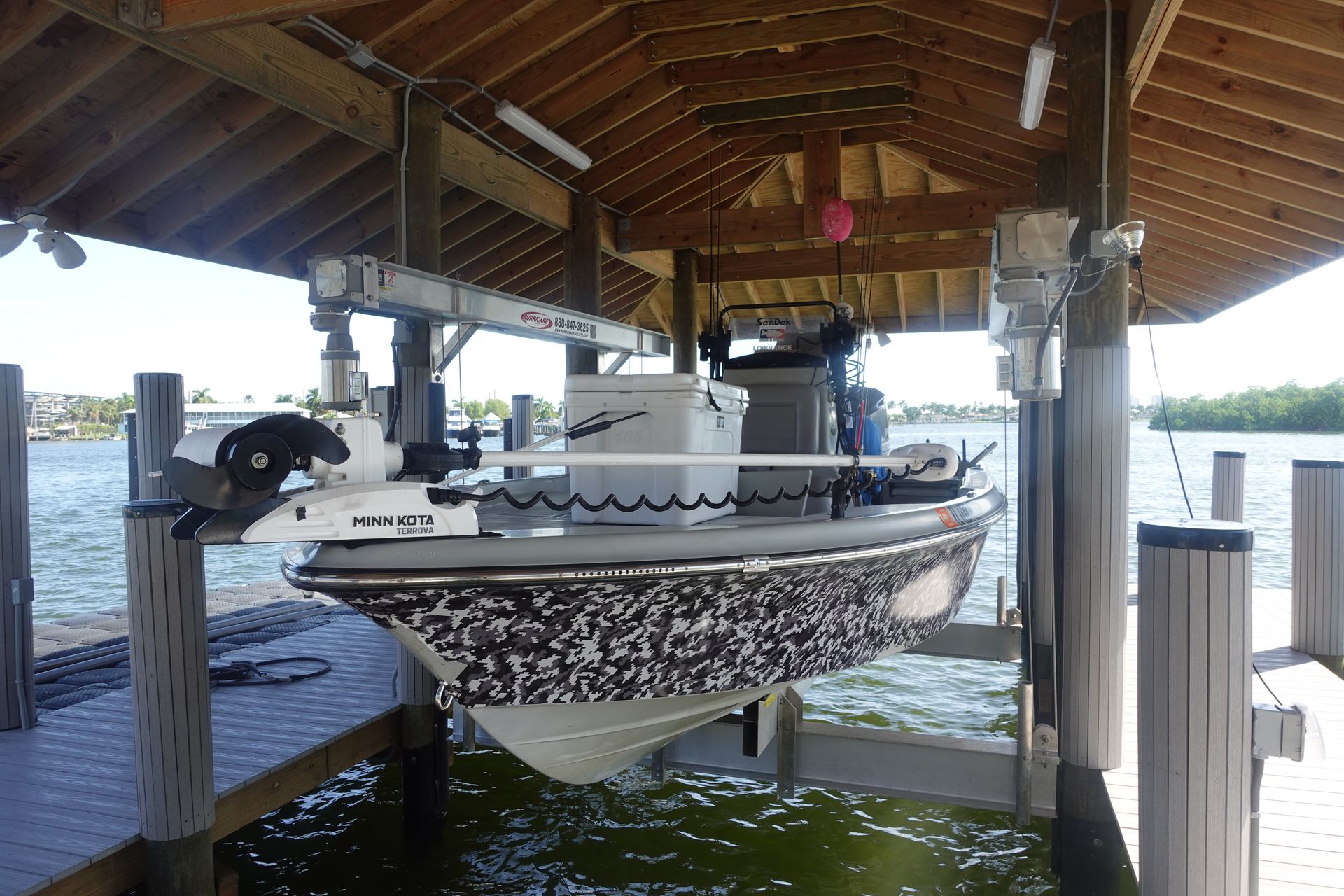
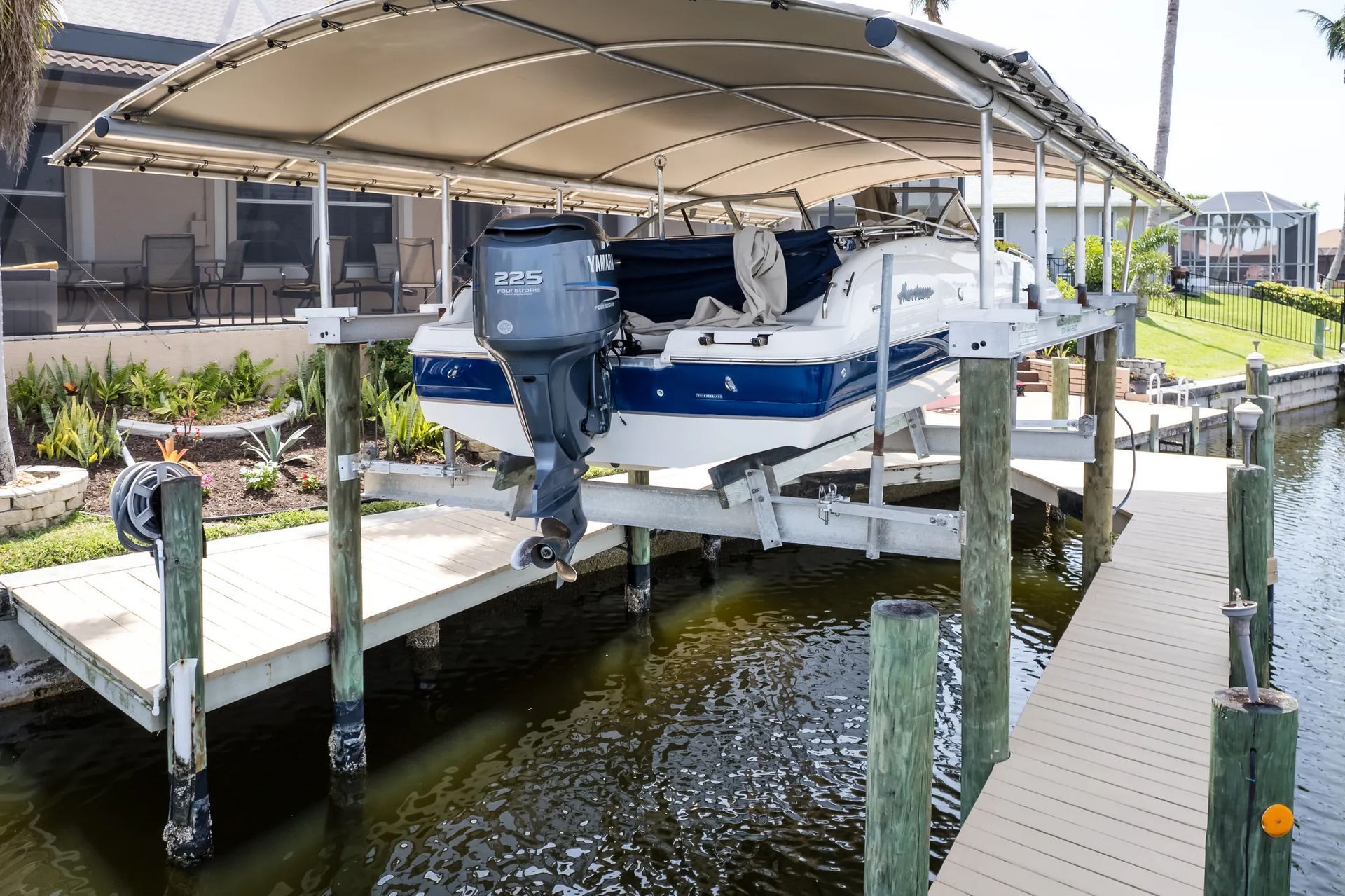
Aluminum boat lifts, including popular systems like ShoreMaster models, transfer significant load to the dock during use.
The force created when lifting a fully loaded boat, accounting for the beam, hull weight, and any gear on board, requires a dock structure that can actually absorb and distribute that load safely.
If the decking has soft spots, or if the pilings have shifted or deteriorated, those issues must be resolved before installation begins.
Understanding Load Requirements
Different boats have different demands. A smaller vessel used for paddleboarding or recreational boating places far less stress on a lift than a deep-hull cruiser. Before installation, you need to know your boat's actual weight and beam dimensions.
Buoyancy-based lifts, which use airbag or bladder systems with a valve and relief valve mechanism, require different structural considerations than traditional cable or elevator-style lifts. Each type affects how load is distributed across the dock.
Matching the right lift type to your dock's condition is not guesswork. It requires hands-on evaluation by someone who understands both marine construction and the mechanical side of boating equipment.
Checking Piling Placement and Spacing
One of the most overlooked prep steps is verifying that existing piling placement is compatible with the lift system being installed. Spacing that worked for a simple dock layout may not align with the footprint of your lift.
In some cases, new pilings need to be driven before the lift can be properly anchored. Getting this wrong means the lift sits at the wrong angle, shifts under load, or cannot function as designed.
This is not a step to improvise. Piling placement has to account for the local waterway conditions, including tidal fluctuation and boat traffic in the surrounding area.
Permitting and Code Compliance
In Collier County, waterfront construction and dock modifications require proper permitting. Installing a boat lift without the right permits is not just a legal issue - it can affect your property's value and your ability to sell it later.
A
qualified marine contractor handles this process as part of the job. They know what documentation is required, what inspectors look for, and how to move the process forward without unnecessary delays.
What Happens When Prep Is Skipped
The consequences are predictable and expensive. Lifts that are installed on compromised docks shift, tilt, and fail under load. Boats get damaged. Hardware corrodes faster when it is under stress it was never designed to handle. And in some cases, the dock itself sustains further damage that requires a full rebuild.
A boat lift helper or installation crew working without a proper structural assessment is not doing you a favor by moving fast. They are passing the risk directly to you.
What to Do Before You Call for Installation
Start by having your dock inspected by a marine construction professional - not just a lift dealer. Someone who builds and repairs docks knows what to look for beneath the surface.
Be honest about your boat. Know its weight, beam, and how often you use it. Think about whether you want a cable lift, an elevator-style system, or a floating design. Each has implications for how your dock needs to be prepared.
And give the process the time it actually needs. Rushing dock prep because you are eager to get on the water is the fastest way to end up back at the dock dealing with a failed installation.
Prepare Your Dock Before the Lift Goes In
If your dock in Collier County needs work before a lift goes in, now is the time to find out - before anything is bolted down or permitted. Kalvin and Calvin Marine Construction has spent over 40 years evaluating and building waterfront structures across the region.
Call (239) 280-6054 to
schedule a dock inspection and get an honest assessment before your boat lift installation begins.