Here's How High Your Dock Should Sit Above Water
If you've ever stood on a dock that felt too low to the water, you know that uneasy feeling when a wave rolls in and the deck gets wet. Or maybe you've climbed up onto one that felt more like a ladder than a walkway. Dock height is one of those details that seems simple until you're living with the wrong one.
So what's the right answer? It depends on a few things - but there are solid guidelines to follow.

Why Dock Height Actually Matters
Getting the height right isn't just about comfort. A dock that sits too low invites water damage, rot, and safety issues. One that's too high makes boarding a boat frustrating and can even be a hazard for older guests or kids.
The goal is a deck surface that works with the water, not against it. That means accounting for the waterline at different tides, wave action, and the type of watercraft you're using.
The General Rule: 12 to 18 Inches Above the Waterline
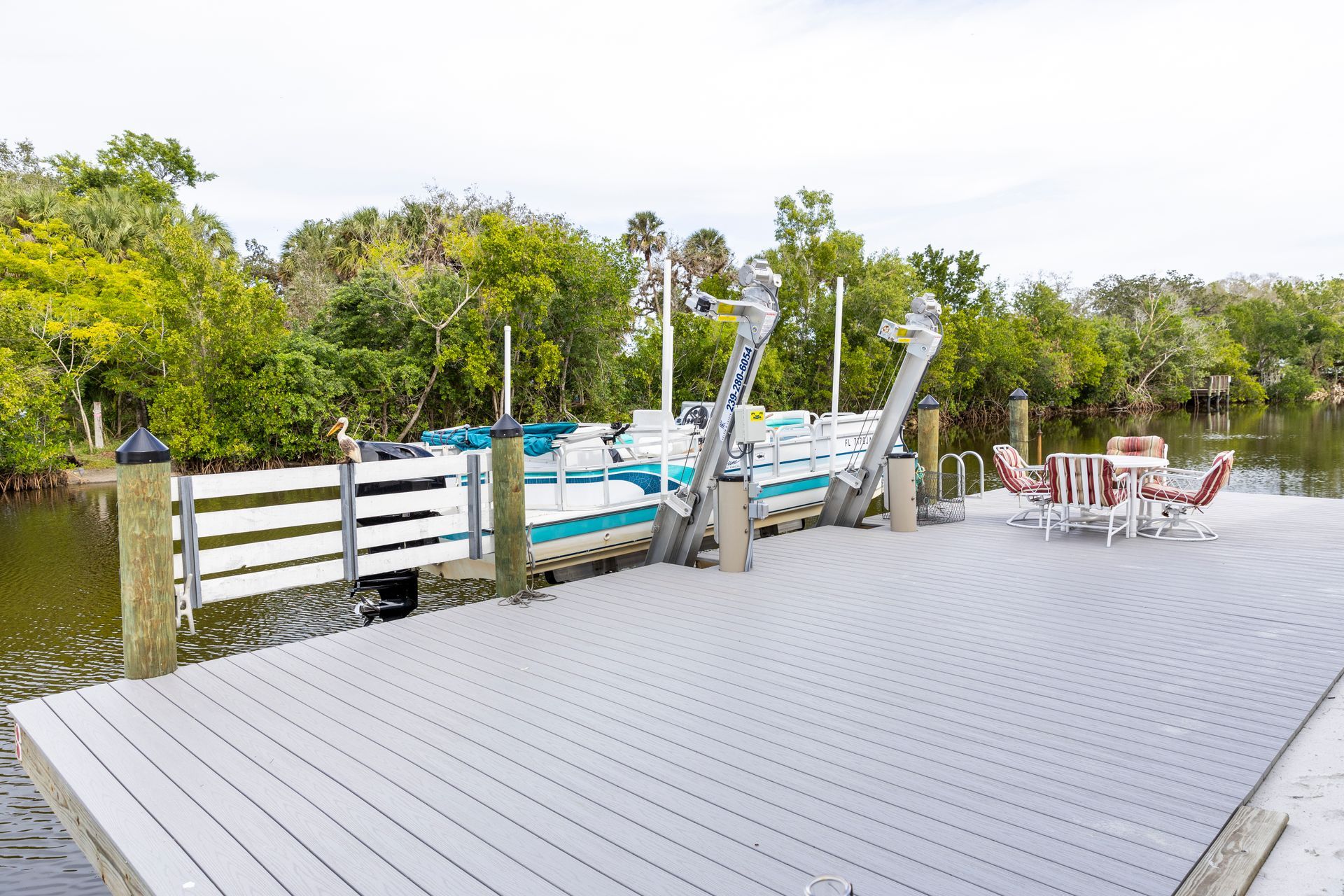
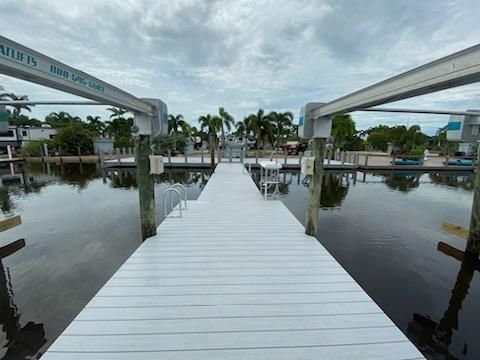
Most dock builders - including experienced crews here in Collier County - follow a standard range of 12 to 18 inches above the average waterline. This gives you enough clearance to stay dry during mild wave activity while still being low enough for easy boat access.
The 18-inch mark on the higher end tends to work well in areas with more boat traffic or wave action. The lower end of that range is common on calmer waters like a pond or protected bay.
If you're in a tidal zone, you'll need to factor in both low and high tide measurements. Docks that look fine at high tide can end up submerged or dangerously close to the water's surface when conditions shift.
How Boat Type Affects the Height Decision
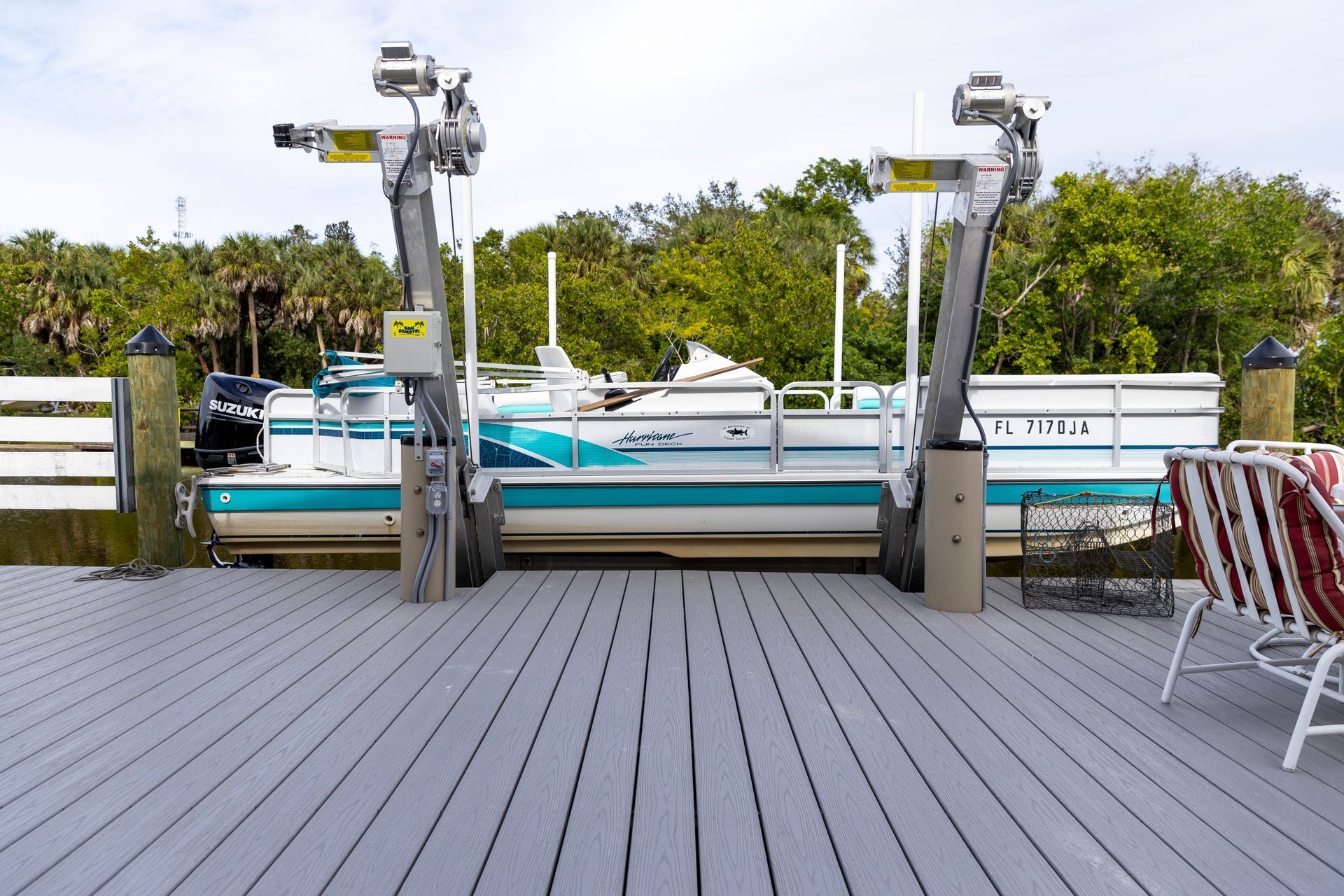
Not all boats sit at the same level in the water. A pontoon boat, for example, rides higher than a fishing kayak or a rowing skiff. If you're stepping from the dock onto a pontoon boat, a dock that's too high means a big step down - and that gets old fast.
Think about the watercraft you use most often. The deck of your dock should ideally sit at a comfortable stepping height relative to the gunwale or rail of your boat. A good rule of thumb is keeping that height difference under a foot for regular use.
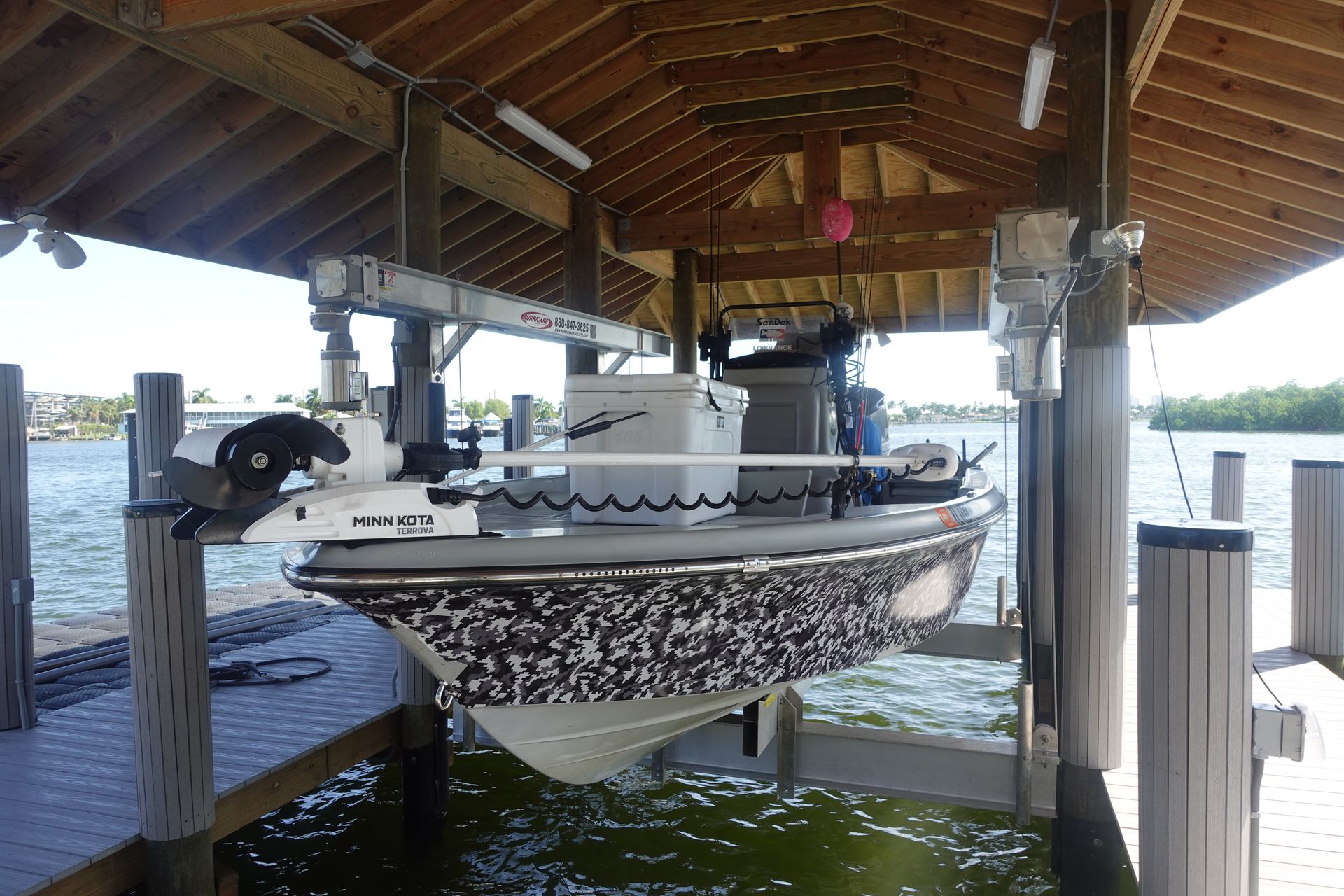
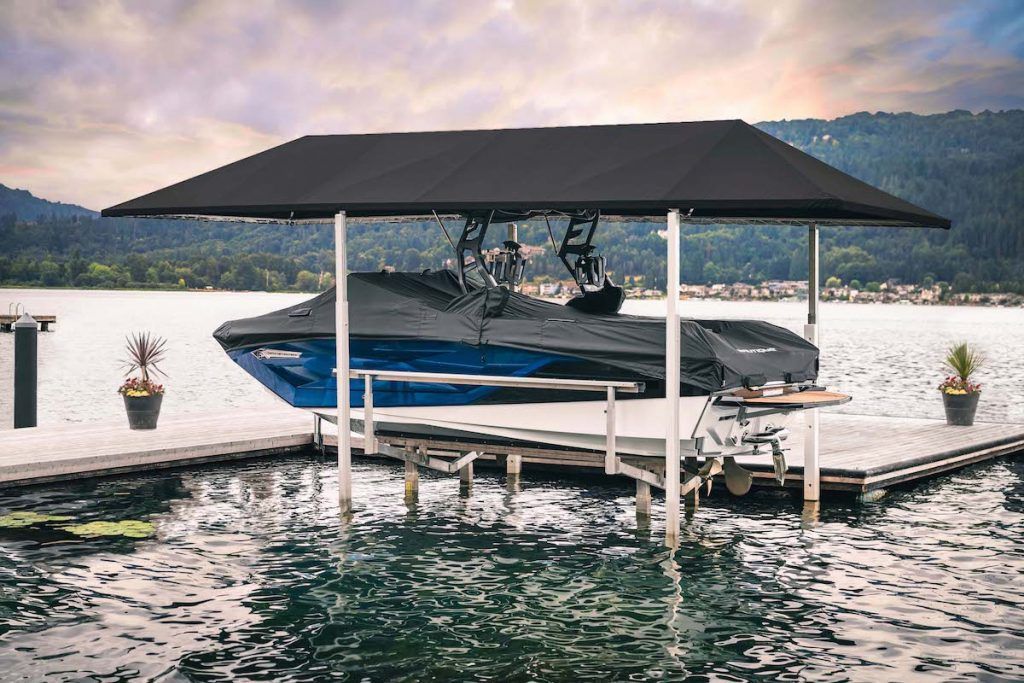
If you use a boat lift, the dock height calculation also has to account for where the boat rests when loaded and lowered. The piling placement and lift configuration can influence how high or low your dock surface needs to be.
Dock Leg Height and Structural Considerations
The height of a dock isn't just measured from the surface down to the water - it's also determined by the length of the support legs or pilings driven into the bottom. In shallow areas like a lake edge or nearshore pond, shorter legs may be enough. In deeper or more dynamic water, you need taller pilings with enough embedment to keep everything stable.
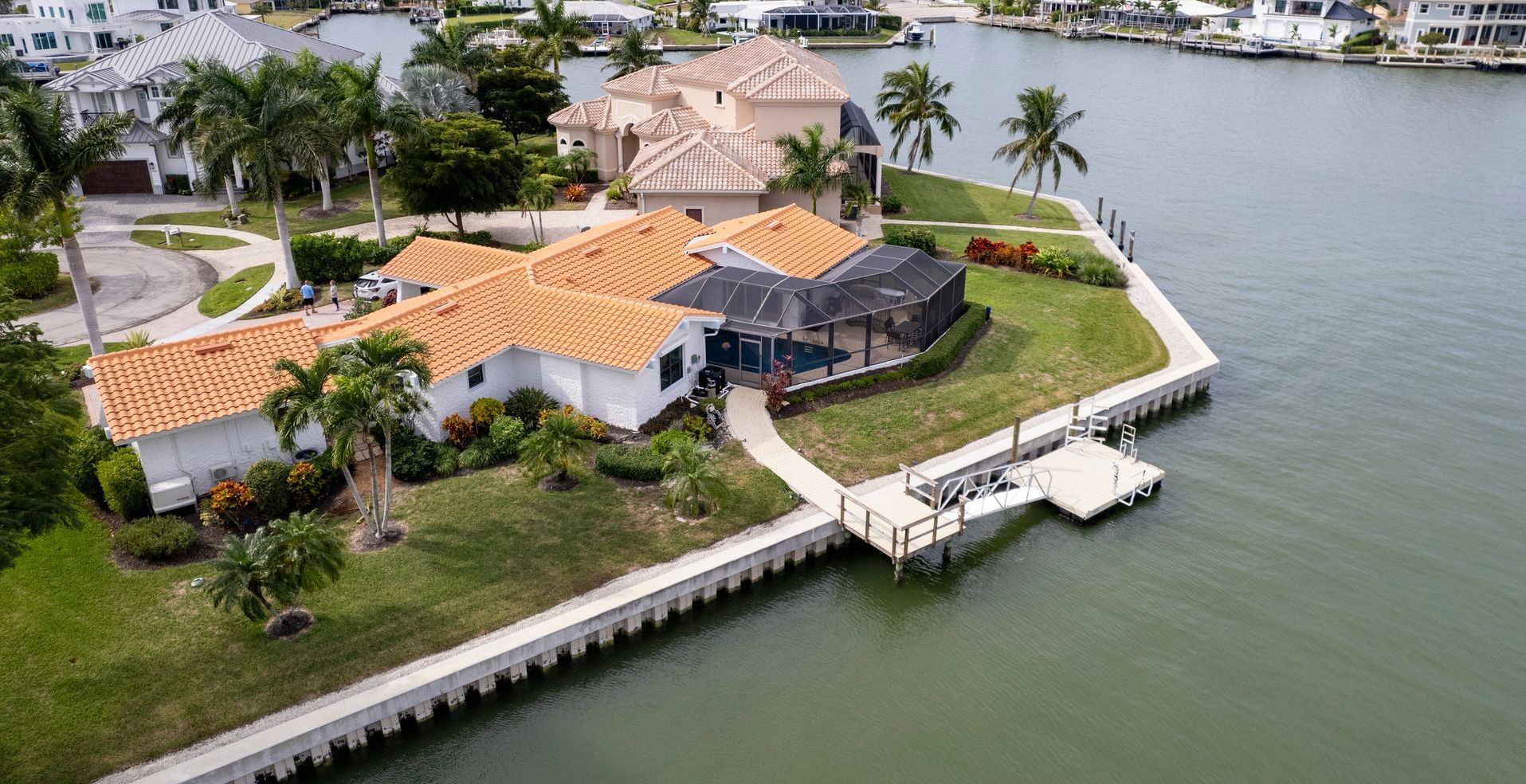
Here in Collier County, waterfront conditions vary a lot. A dock on a calm canal in Naples Bay has different requirements than one exposed to open water near Marco Island or Keewaydin Island. Local conditions, bottom type, and wave exposure all shape how the structure gets built from the ground up.
Floating Docks vs. Fixed Docks: Does It Change the Height?
Yes, it does. Fixed docks are set at a specific height and stay there regardless of water level. That's why getting the height right during planning is so important - there's no adjusting it later without major work.
Floating docks, like those used in some marina and residential setups, rise and fall with the water. Brands like ShoreMaster have made floating dock systems popular for exactly this reason - the surface stays at a consistent height relative to the waterline, which simplifies boat access.
For most residential dock builds in Collier County, fixed docks with properly calculated piling heights are the standard. A floating system may make sense in certain tidal or high-traffic scenarios, but it's worth talking through with a professional before deciding.
Local Permits and Regulations Play a Role Too
In Collier County, dock height isn't just a personal preference - it's also regulated. Permitting requirements may specify minimum clearance heights, especially in areas with navigational or environmental considerations.
Working with a
team that knows the local rules saves you from costly corrections down the line. This is one reason many waterfront property owners in areas like Port Royal, Park Shore, and Vanderbilt Beach work with builders who have established relationships with local agencies.
Getting the Right Dock Height for Your Waterway
Getting your dock height right from the start saves you headaches, repair costs, and frustration every time you step aboard. The 12-to-18-inch range is a reliable starting point, but your specific waterway, boat type, tidal range, and local codes all factor in. If you're planning a new dock build or replacing an existing one in Collier County, reach out to Kalvin & Calvin Marine Construction at (239) 280-6054 to talk through the details with a team that has built on these waters for over 40 years.