Retaining Wall vs Seawall: One Holds Soil, One Fights Tides
If you own waterfront property in Collier County, you have probably heard both terms thrown around. Retaining wall. Seawall. People sometimes use them interchangeably, but they are not the same thing, and choosing the wrong one for your situation can cost you significantly.
Let's break it down clearly so you know exactly what each structure does, when you need one versus the other, and why the distinction matters along Southwest Florida's coastline.
What Is a Retaining Wall?
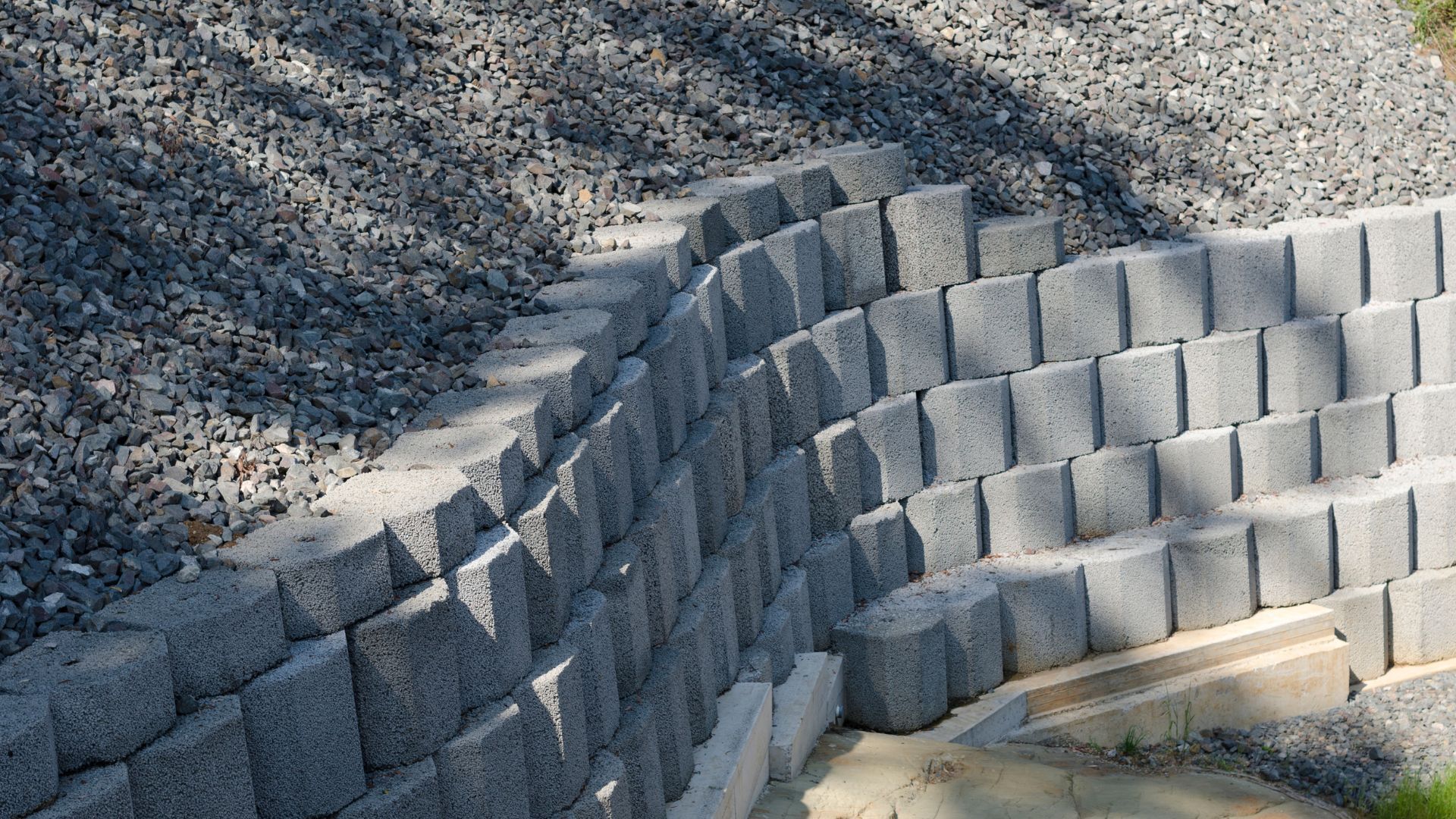
A retaining wall is a structure designed to hold back soil. Its primary job is erosion control on land. When you have a sloped yard, a raised garden bed, or a hillside that threatens to wash out during heavy rain, a retaining wall keeps that sediment in place.
These walls are common in landscaping and civil construction. They can be built from concrete, rock, timber, or steel depending on the application. The lateral pressure from the soil behind the wall is the main force the structure needs to resist.
In areas with significant rainfall, like much of Collier County during storm season, a retaining wall can prevent soil erosion from washing away landscaped areas or undermining a property's foundation. However, a retaining wall is not designed to handle the repeated force of water from a sea, river, or tidal system.
What Is a Seawall?
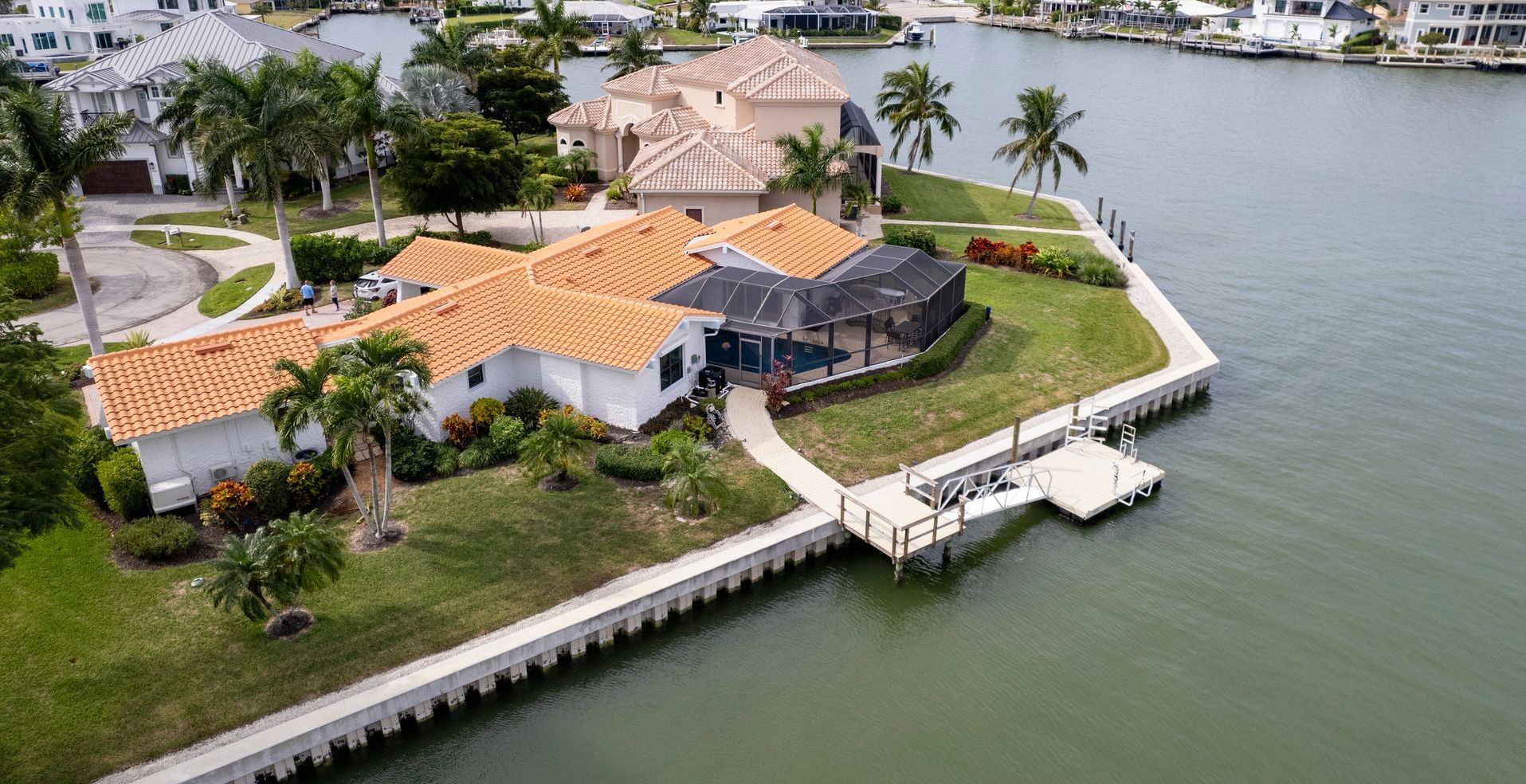
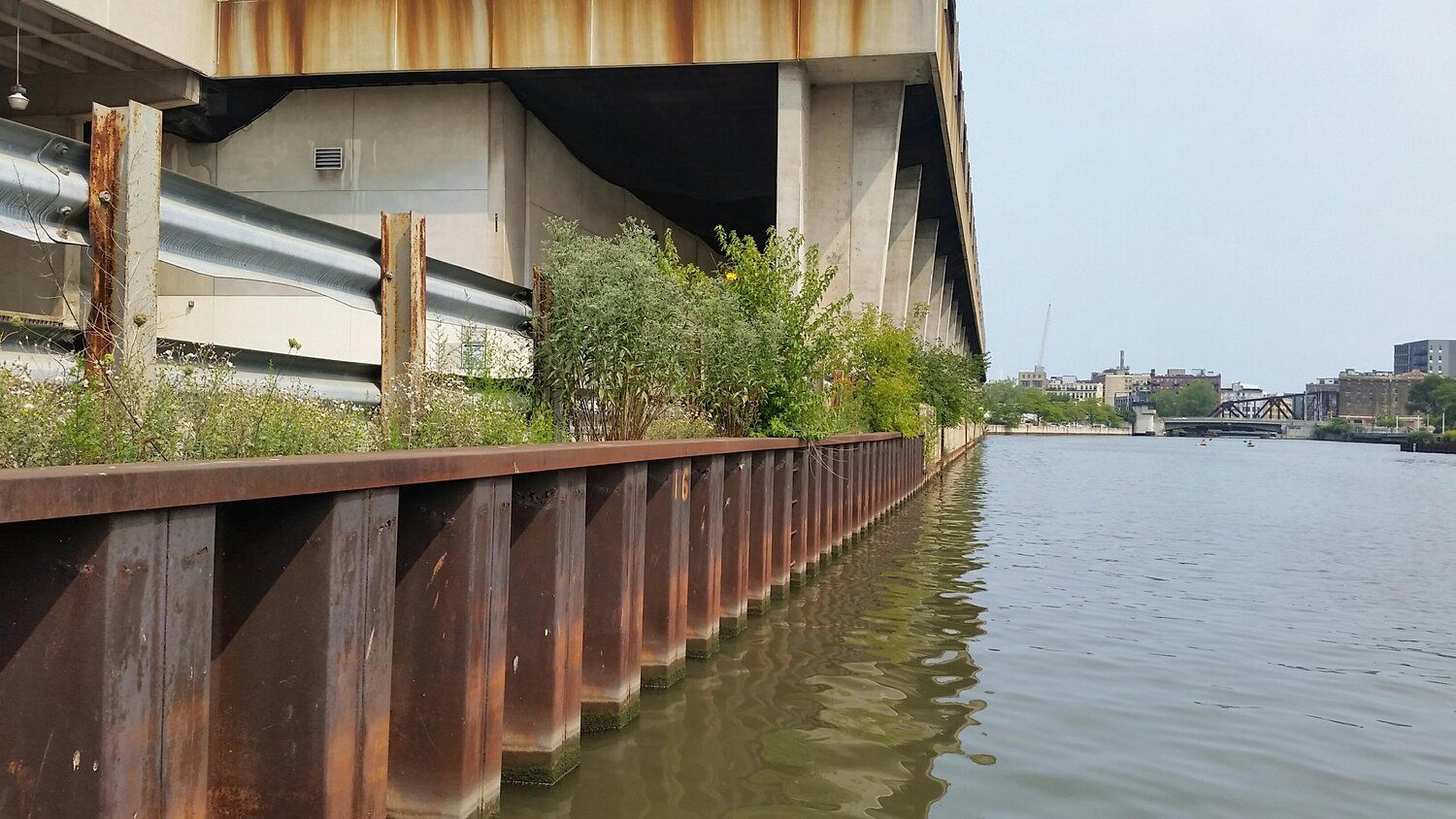
A seawall is a marine structure built to protect land from wave action, coastal erosion, flooding, and the ongoing pressure of seawater. It sits at the edge of the water and acts as a barrier between your property and tidal forces.
In Southwest Florida, seawalls face constant exposure to seawater, storm surge, and wave power. A good seawall design accounts for all of that, including the effects of sea level rise and the long-term impact of corrosion on materials like steel and concrete.
Seawalls are a critical piece of coastal management infrastructure. They protect property, prevent coastal erosion, and help preserve the natural environment along the shoreline. Without them, waterfront lots in places like Naples Bay or Marco Island would be at serious risk during major weather events or even routine tidal fluctuations.
The Core Difference: What Each Structure Fights
Here is the simplest way to think about it. A retaining wall fights soil. A seawall fights water.
A retaining wall handles the pressure of earth and manages sediment movement on dry or semi-dry land. A seawall handles wave force, tidal surge, flooding, and the erosive power of the sea.
Confusing the two is a real problem. A structure built for soil retention is not engineered to handle marine forces. It will not stand up to the constant battering of tides, storm-driven waves, or the slow but relentless effect of seawater corrosion. If you are on the waterfront, you need a seawall, not a retaining wall.
What About Riprap and Revetments?
You may also encounter terms like riprap and revetment when researching shoreline protection. These are related but distinct approaches.
A revetment is a sloped surface of rock, concrete, or other material placed along a shoreline to absorb wave energy rather than deflect it. Riprap refers to the loose rock or stone used in that kind of construction. While a seawall is typically a vertical structure, a revetment uses a sloped curve to reduce the impact of wave power.
Both riprap and revetments serve erosion control purposes in coastal and marine environments. They are sometimes used alongside seawalls or as alternatives depending on site conditions, cost, and environmental considerations. In sensitive areas near a marine coastal ecosystem, riprap can be preferred because it provides habitat for certain species and causes less disruption to the natural environment.
When Would a Property Need Both?
Some waterfront properties in Collier County require both structures. You might have a seawall protecting the water-facing edge of your property while a retaining wall manages a slope or raised area further inland.
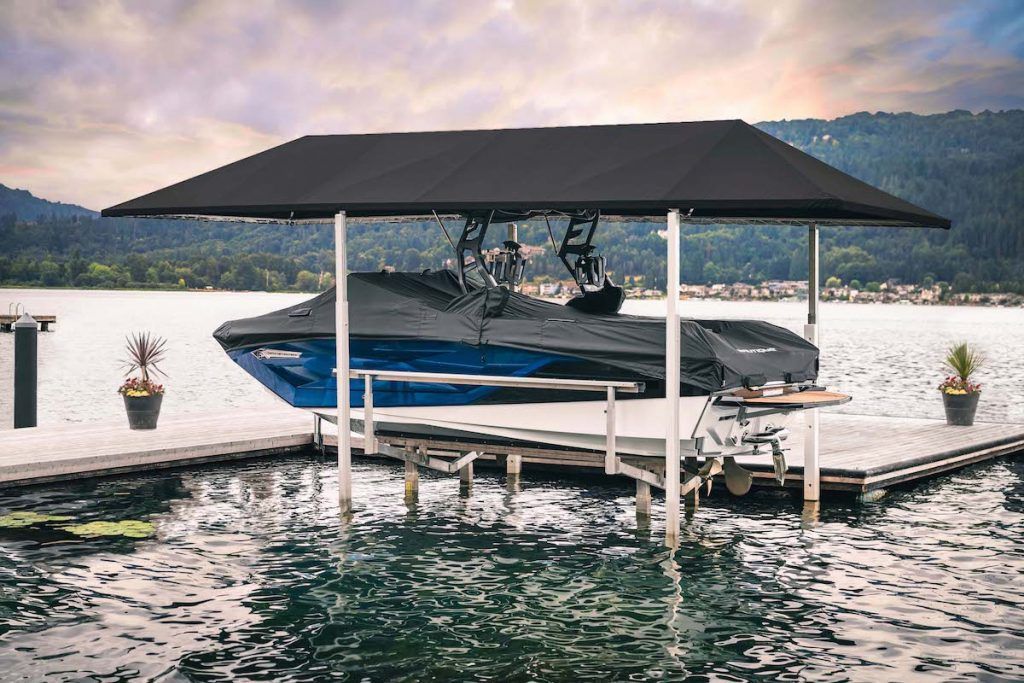
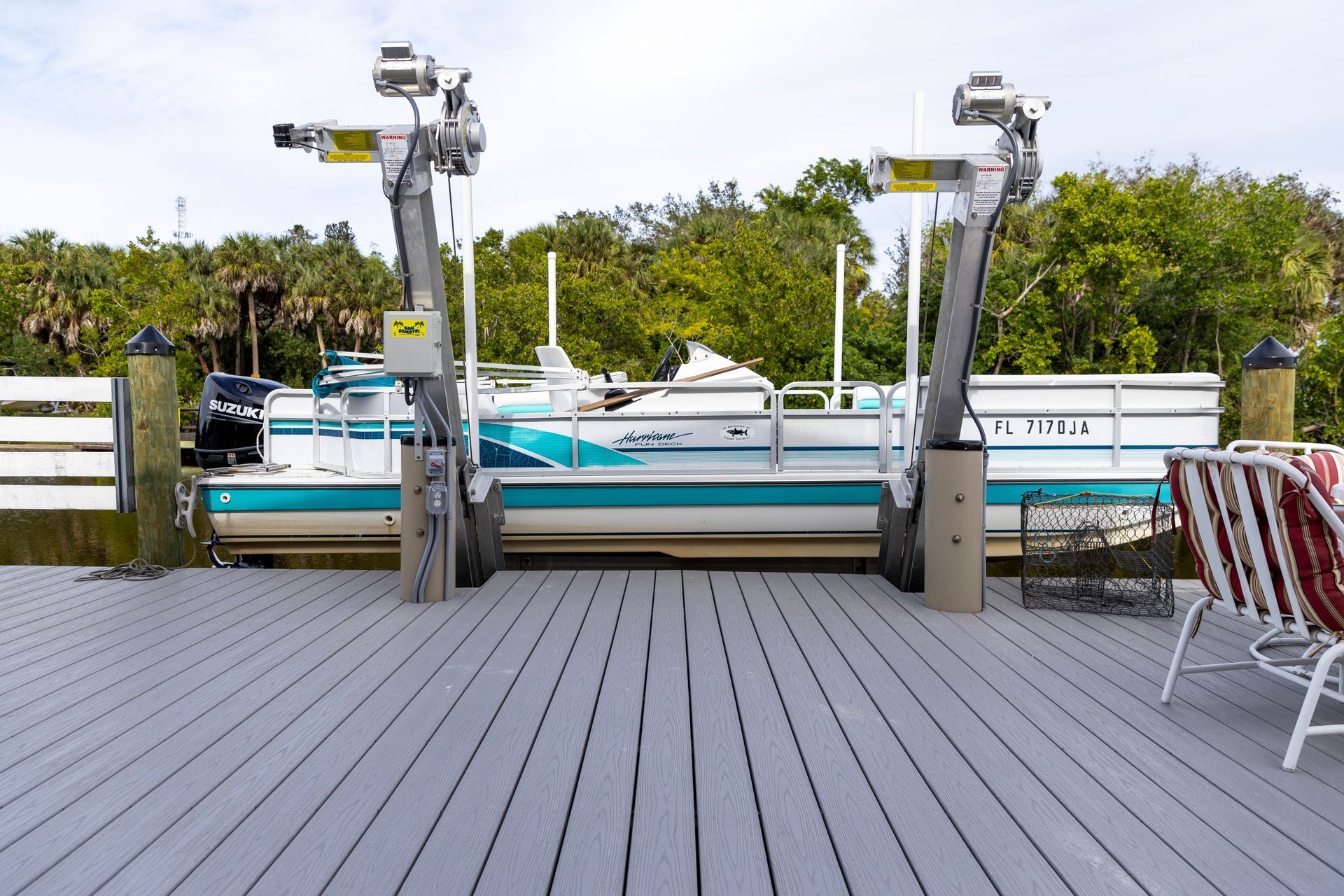
This is especially common on larger lots where the terrain changes significantly from the shoreline inward. A dock, a seawall, and a retaining wall can all coexist as part of a well-thought-out coastal property design.
The investment in getting this right upfront is always smaller than the cost of repairing damage after a storm or a flood exposes a poorly engineered setup.
Seawall Construction and Materials in Southwest Florida
Seawalls in this region are typically built from concrete or steel sheet piling. Both materials need to be matched to the local environment, accounting for saltwater corrosion, sea level, and the unique tidal patterns of Southwest Florida's coast.
A
professional marine construction team will assess the soil conditions, water depth, wave exposure, and any environmental issues before recommending a design. They will also consider storm drain placement, how the structure affects sediment flow, and whether a levee-style element is needed for flood control.
This is not a DIY project. The forces involved are substantial, and the consequences of getting it wrong - whether structural failure or damage to a marine coastal ecosystem - are serious.
Choosing Between a Retaining Wall and a Seawall
Understanding the difference between a retaining wall and a seawall is the first step to protecting your waterfront property the right way. If you are dealing with soil erosion on land, a retaining wall may be the answer. If you are up against the sea, tides, or storm surge, a seawall is what stands between your property and serious damage. For expert guidance from a team with over 40 years of experience in Collier County, explore our residential seawall repair and construction services or call us at (239) 280-6054.