Breakwater vs Seawall: One Breaks Waves, One Blocks Them
If you own waterfront property or work near the coast, you have probably heard both terms thrown around. People use them interchangeably all the time, but a breakwater and a seawall are two very different structures with very different jobs. Understanding the difference can help you make smarter decisions about protecting your property from erosion, flooding, and wave energy.
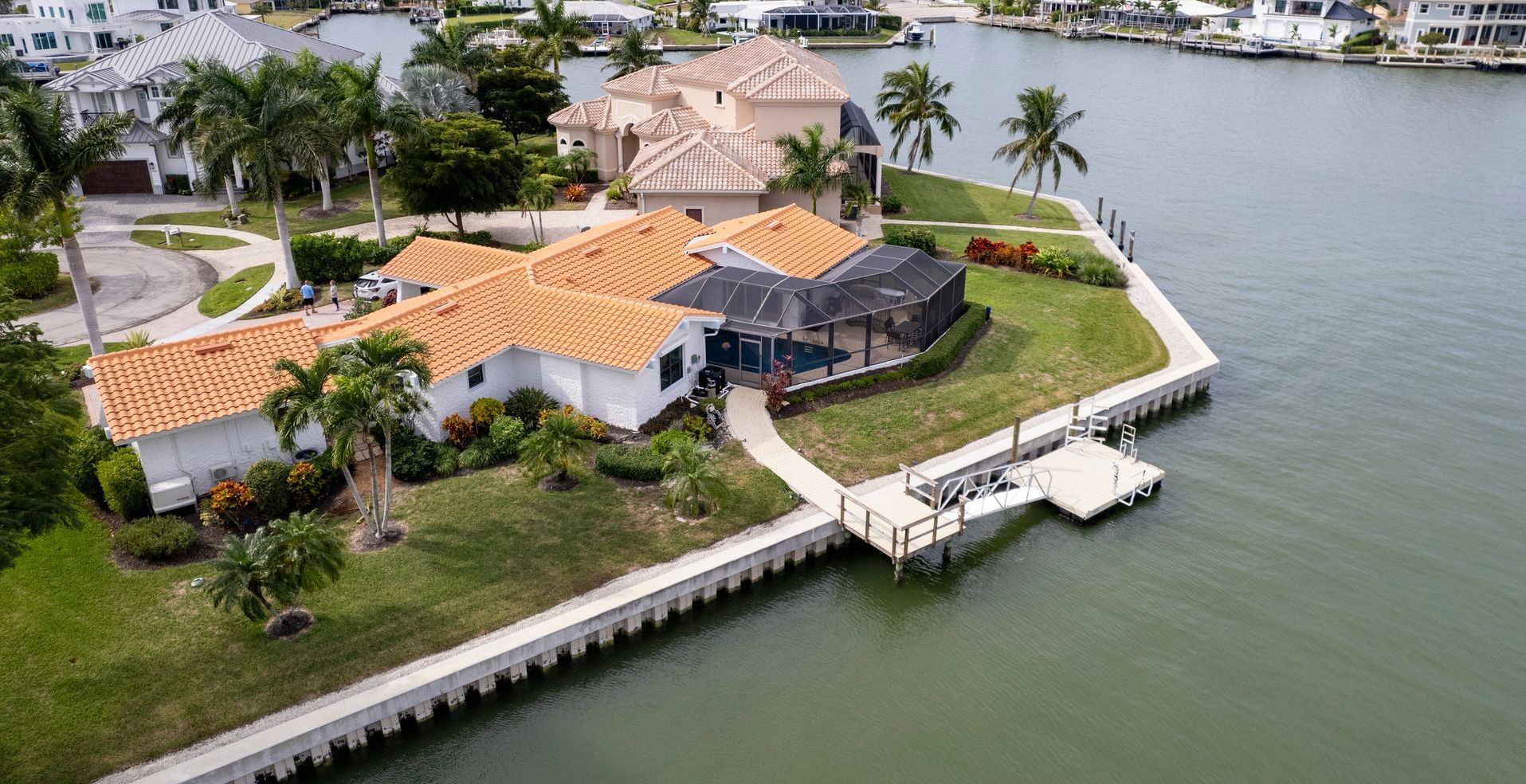
What Is a Seawall?
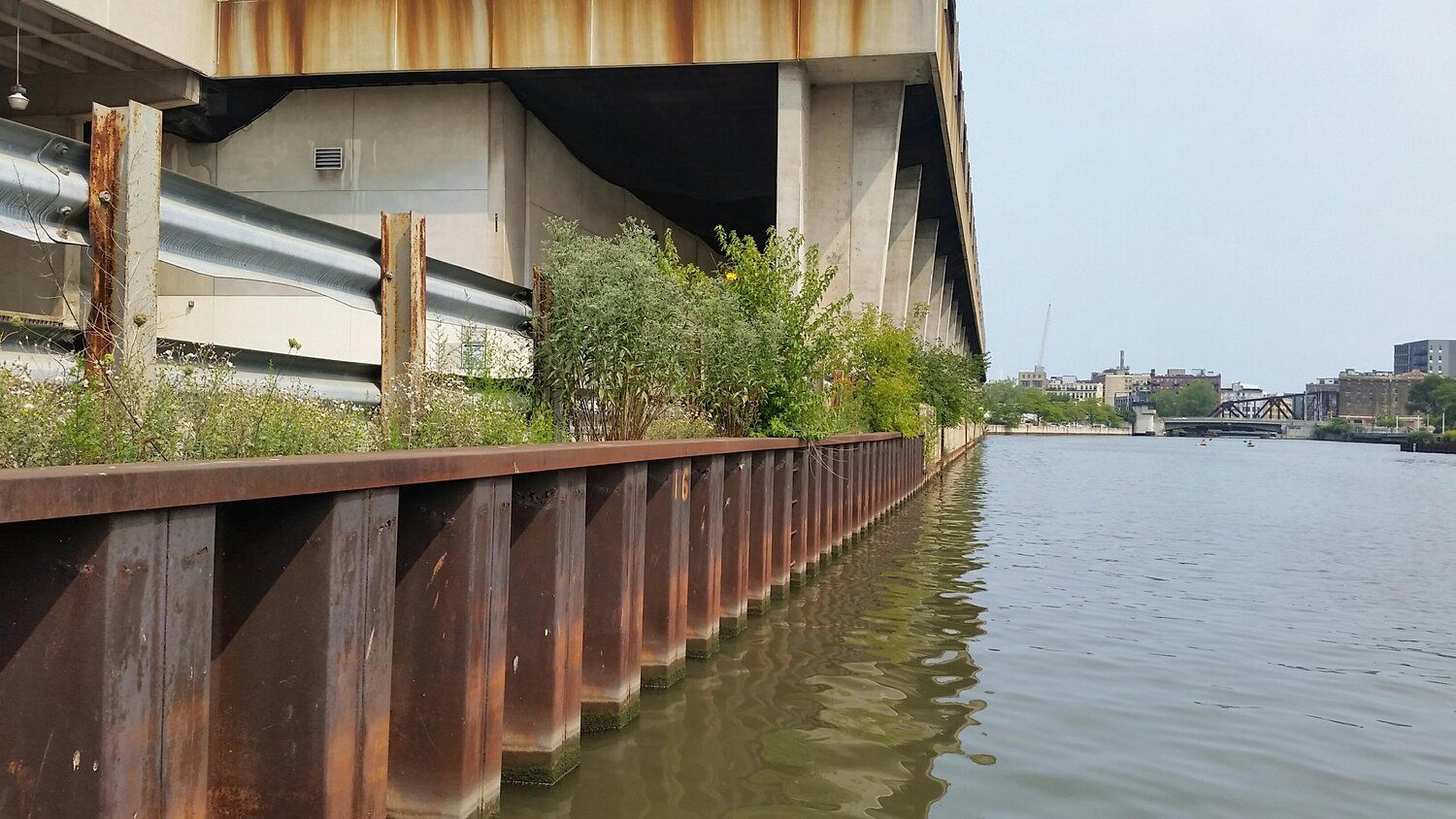
A seawall is a hard, vertical or near-vertical wall built directly along the shoreline. Its main purpose is to act as a barrier between the land and the water, preventing coastal erosion and flood damage to the property behind it.
Seawalls are typically made from concrete, steel sheet piling, or treated timber. In Southwest Florida, including throughout Collier County, they are one of the most common forms of shoreline protection for residential and commercial waterfront properties.
Think of a seawall as the last line of defense. It does not stop waves from forming - it simply refuses to let them cross.
What Is a Breakwater?
A breakwater is a structure built offshore or along a harbor entrance to reduce wave power before it ever reaches the shoreline. Unlike a seawall, it is positioned out in the water and works by absorbing or deflecting wave energy before it causes damage.
Breakwaters are common near anchorage zones, marinas, and harbor entrances. They can be built as rubble mound structures using large rock or concrete caisson units, or as submerged reefs. Some are even made using geotextile tubes and geosynthetics for more flexible construction methods.
The idea is simple: if you reduce the energy of a wind wave before it hits the shore, you reduce erosion, sediment displacement, and longshore drift in that area.
Key Differences Between a Breakwater and a Seawall
These two structures serve coastal management goals, but they operate differently.
- Location: A seawall sits at the shoreline. A breakwater sits offshore, in the water.
- Function: A seawall blocks water from reaching land. A breakwater dissipates or deflects wave energy before it arrives.
- Design: Seawalls are often solid walls of concrete or steel. Breakwaters can be mounded rock, caisson-based, or even groyne-like extensions into the sea.
- Use case: Seawalls protect property edges. Breakwaters protect harbors, beaches, and anchorage areas from heavy surf.
Both are tools of coastal engineering, but they solve different problems.
Do You Need a Seawall, a Breakwater, or Both?
For most homeowners along Collier County's waterfront, a seawall is the more relevant structure. Waterfront homes in Naples Bay, Marco Island, and along the coast regularly deal with tidal movement, boat wakes, and storm surge. A properly built and maintained seawall provides reliable erosion control and flood protection for the property edge.
Breakwaters are more commonly used in
commercial or municipal settings - near jetties, marinas, or beaches where wave action needs to be managed over a wider area.
In some cases, structures work together. A revetment or groyne might be used alongside a seawall to manage sediment and longshore drift. During a tropical cyclone or major storm event, having multiple layers of coastal protection can make a significant difference.
What Matters Most: Proper Construction and Maintenance
Whether you are dealing with a seawall or any coastal structure, the quality of construction determines how long it performs. Poor materials, improper installation, or deferred maintenance all lead to faster deterioration - especially in Florida's marine environment, where tide, saltwater, and storm activity are constant pressures.
Regular seawall inspections help catch early signs of cracking, leaning, or undermining before a small issue becomes a costly repair.
Which Structure Fits Your Shoreline?
Breakwaters and seawalls both protect against coastal erosion and wave damage, but they work in completely different ways and serve different environments. For most waterfront property owners in Collier County, a seawall is the structure that matters most. If yours needs attention, do not wait for visible damage to get worse.
Reach out to Kalvin and Calvin Marine Construction at
(239) 280-6054 to schedule a
seawall inspection and get a clear picture of where your shoreline protection stands.