Can my seawall affect the value of my home?
Key Takeaways
1. The condition and maintenance of your seawall can significantly impact the value of your property.
2. Seawall failures and vulnerabilities can have severe consequences on your property value and may require costly modifications.
3. It is important to regularly assess and maintain your seawall in order to protect your property value and avoid potential hazards.
Understanding the Impact of Seawalls on Property Value
Seawalls play a vital role in protecting shoreline properties from erosion and maintaining their market value.
Seawalls serve as a barrier against the relentless forces of waves and tides, preventing erosion and safeguarding structures from potential damage. A well-maintained seawall can significantly enhance a property's valuation by ensuring its longevity and desirability. Property owners need to regularly assess their seawall conditions to address any signs of wear and tear promptly. By investing in the upkeep of seawalls, homeowners can mitigate higher repair costs in the long run and safeguard their investments.
Factors That Influence Seawall Performance
Several factors influence Seawall Performance, including the choice of materials, the design of the seawall, and the overall integrity of the structure.
The material selection for
seawall construction plays a significant role in determining the structure's ability to withstand harsh coastal conditions over time. Common materials range from timber and concrete to steel and composite options, each with its own benefits and challenges.
Additionally, design considerations such as slope angle, wave energy, and tidal variations need to be carefully evaluated to ensure optimal performance. Enhancing structural stability and resistance to erosion can prolong the life of the seawall.
Ongoing maintenance practices are crucial for the long-term viability of seawalls. Regular inspections, repairs, and refurbishment efforts help address wear and tear, preventing potential failures and extending the lifespan of the structure. By prioritizing durability and structural integrity in each stage of the seawall lifecycle, coastal areas can effectively mitigate the impact of natural forces.
Types of Seawalls and Their Effectiveness
Among the most common types of seawalls are vertical seawalls, which are vertical structures designed to absorb and deflect wave energy to prevent erosion of the shoreline. They are particularly effective in areas with high-energy wave action.
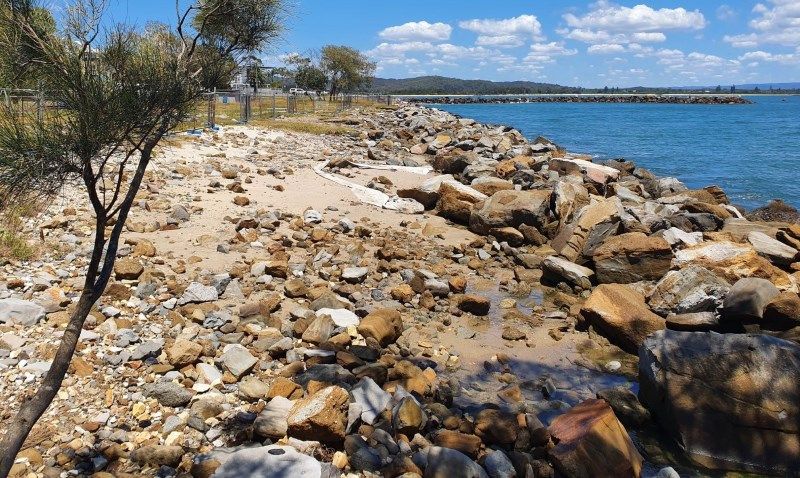
Revetment seawalls, on the other hand, consist of sloping structures made of rocks or other materials placed along the shoreline to dissipate wave energy. These seawalls are more environmentally friendly and can provide habitat for marine life.
Another type is the
curved seawall, which is designed with a curved face to redirect wave energy and reduce erosion. Seawalls with a stepped structure are effective in breaking up wave energy, reducing erosion, and enhancing the stability of the shoreline.
In terms of repairing seawalls, the process typically involves assessing the damage, repairing any cracks or structural issues, and reinforcing the seawall with additional materials if needed. Regular maintenance and monitoring are crucial to ensure that seawalls remain effective in protecting coastal areas from erosion.
Signs of Seawall Failure
Recognizing the Signs of Seawall Failure is essential for property owners to prevent catastrophic consequences such as land loss and compromised safety.
Common indicators of seawall failure can often be observed in the form of visible wear and tear on the structure, including cracks, leaning, or bulging. These signs not only indicate a compromised seawall but also serve as warnings for potential soil erosion and possible structural instability.
Failure to address these warning signs promptly can lead to severe safety implications, putting nearby properties and individuals at risk. A deteriorating seawall can contribute to increased land loss due to erosion caused by the impact of waves and tides.
Regular seawall inspections are crucial to identifying early signs of damage and preventing significant structural failures. By promptly addressing any issues detected through inspections, property owners can help ensure the longevity and effectiveness of their seawalls, ultimately safeguarding their properties from potential disasters.
Seawall Maintenance Importance
https://files.autoblogging.ai/images/can-my-seawall-affect-the-value-of-my-home(hk17).jpg_01.jpeg
Regular maintenance of seawalls is essential to uphold their structural integrity and effectiveness in flood protection. Neglecting maintenance can lead to erosion, weakening the wall's defense mechanism against rising sea levels. When considering the costs involved, refurbishing a seawall is generally more cost-effective than rebuilding after damage from a storm. By prioritizing timely upkeep, property owners can significantly reduce the risk of damage and secure their investments in coastal regions prone to harsh weather.
Severe Weather Conditions and Seawall Vulnerability
Seawalls play a crucial role in protecting coastlines and properties from the destructive forces of nature. When faced with extreme weather conditions such as strong winds, high tides, and storm surges, the structural integrity of seawalls can be compromised leading to erosion and weakening of the wall structure.
The constant onslaught of waves and shifting water levels due to weather conditions can gradually wear down even well-built seawalls. To ensure seawall safety, it is imperative for property owners to consider reinforcing these structures with additional materials or reinforcements that can withstand the harsh elements.
How Seawall Failures Can Affect Your Property Value
Understanding how Seawall Failures can impact Property Value is crucial for property owners, highlighting the importance of proactive maintenance and effective property modifications.
When a seawall fails, it can have significant implications for property value. Issues such as waterline failures or cap failures can lead to erosion and structural damage, affecting not only the functionality but also the aesthetic appeal of the property.
Property values tend to decrease when such failures occur, as buyers are deterred by the costly repairs and decreased safety associated with damaged seawalls. To prevent these negative repercussions, property owners must invest in timely repairs and modifications to ensure the longevity and stability of their seawalls.
Property Modifications and Seawall Impact
Property Modifications play a crucial role in enhancing the resilience of seawalls and minimizing the risk of waterline failure, requiring thorough property assessment and strategic interventions.
By implementing <strong>property modifications</strong>, such as adding additional support structures or utilizing advanced <strong>seawall materials</strong>, property owners can better protect their assets from the erosive forces of the sea.Regular <strong>property showings</strong> and inspections aid in identifying potential weaknesses in existing structures, allowing for timely repairs or enhancements to be made. These proactive measures not only safeguard against immediate threats but also contribute to the long-term sustainability of coastal properties.
Waterline Failure Consequences
When water lines fail, they can compromise the structural integrity of the property, causing potential damage to foundations and building structures. Cap failures, in particular, are worrisome as they can result in significant erosion of the land surrounding the property, leading to loss of valuable land and increased risk of flooding during severe weather events. Property valuation can also be significantly impacted by waterline failures, as structural damage and erosion issues can devalue the property and make it less desirable to potential buyers.
https://files.autoblogging.ai/images/can-my-seawall-affect-the-value-of-my-home(hk17).jpg_10.jpeg
Understanding Cap Failures
When caps fail in seawall structures, it not only compromises the overall integrity of the barrier but also puts adjacent land at risk of erosion and loss. Seawalls play a vital role in protecting coastal properties from the erosive forces of the sea, making it imperative to address any issues promptly. A deteriorating cap can lead to water intrusion, weakening the foundation and increasing the likelihood of more significant damage.
Regular
seawall inspections
are key in identifying early signs of deterioration and taking necessary preventive measures to maintain seawall conditions and prevent potential land loss.
Assessing the Condition of Your Seawall for Property Valuation
Seawalls play a crucial role in protecting coastal properties from erosion and flooding, making their assessment vital for property owners in high-risk areas.
By examining the
types of seawalls
and evaluating signs of wear and tear such as cracks, erosion, or misalignment, property owners can address issues before they escalate, potentially saving them from costly repairs or decreased property value.
Understanding the impact of seawall conditions on property assessments is key to making informed decisions regarding maintenance and potential upgrades to ensure the longevity and value of coastal properties.
Why Seawalls Matter in Real Estate
Seawalls play a crucial role in Real Estate, influencing property assessments and safeguarding shorelines against erosion and land loss.
These structures are highly sought after for their effective erosion control properties, making them a valuable asset for coastal properties. A well-maintained seawall can significantly enhance the overall value of a waterfront property, providing a sense of security to both property owners and potential buyers.
The condition of a seawall is often a key factor in property valuation, as a deteriorating or poorly constructed seawall can lead to increased risks of erosion and
potential damage to the property. Therefore, when considering waterfront real estate transactions, it becomes crucial to assess the seawall benefits and ensure they are in optimal condition.
Identifying Red Flags in Seawall Conditions
Investors should pay close attention to signs such as visible cracks, erosion, or leaning seawalls, which can signal potential structural issues needing immediate seawall repair. Neglecting these red flags not only jeopardizes the safety and stability of the property but can also lead to significant financial implications in the long run.
By factoring in the condition of the seawall when assessing a property, investors can make more informed decisions and accurately determine the true worth of their investment. This proactive approach to identifying and addressing red flags ultimately safeguards the property's value and ensures a sound investment choice.
Frequently Asked Questions
Can my seawall affect the value of my home?
Yes, a seawall can significantly impact the value of your home.
What is a seawall and why does it matter?
A seawall is a structure built along the shoreline to protect land from erosion caused by waves and tides. It matters because it can protect your property and potentially increase its value.
How does a seawall affect the resale value of my home?
A seawall can increase the resale value of your home by providing added protection and peace of mind to potential buyers. It can also make your property more attractive and desirable.
Are there any potential downsides to having a seawall on my property?
While a seawall can provide numerous benefits, it may also require regular maintenance and can be costly to repair if damaged. It's important to factor in these potential downsides when considering the value of your home.
Will the type or quality of my seawall impact my home's value?
Yes, the type and quality of your seawall can affect the value of your home. A well-built, durable seawall made from high-quality materials can increase the value of your property, while a poorly constructed or damaged seawall can have a negative impact on its value.
Can I increase the value of my home by adding a seawall?
Yes, adding a seawall to your property can increase its value. Not only does it provide protection and peace of mind, but it also enhances the overall appearance and functionality of your home, making it more attractive to potential buyers.